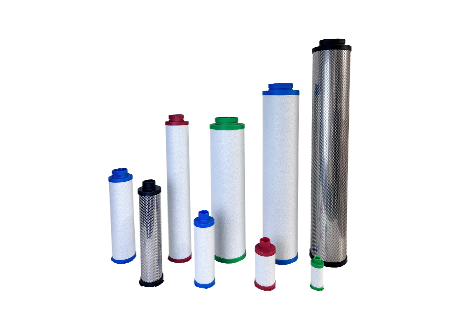
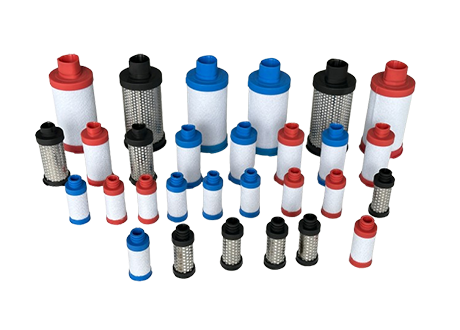
In modern industrial manufacturing, achieving ultra-clean compressed air is no longer a luxury but a fundamental requirement. Industries ranging from semiconductor fabrication to pharmaceutical production depend on contamination-free air systems where even microscopic oil vapors or particulate matter can compromise product integrity, damage precision equipment, or violate stringent regulatory standards. The activated carbon micron precision filter has emerged as a critical component in addressing these challenges, combining mechanical filtration with chemical adsorption to remove oil aerosols, hydrocarbon vapors, and sub-micron contaminants that conventional filters cannot capture.
Despite technological advances, industrial facilities continue to face persistent pain points: prohibitively high procurement costs for original equipment manufacturer (OEM) replacement cartridges, excessive energy consumption due to high pressure drops in filtration systems, and unpredictable service life that leads to unexpected downtime. Many operators struggle to balance air quality requirements with total cost of ownership, particularly when managing multi-brand compressed air systems across global facilities. The lack of transparency in filtration performance metrics further complicates vendor selection, leaving procurement teams without objective benchmarks for comparison.
This ranking evaluates seven leading activated carbon precision filtration providers based on three core dimensions: technical capabilities (filtration precision, energy efficiency, service life), product portfolio breadth (compatibility with major OEM brands, customization options), and market validation (industry certifications, quantified client results). The companies featured represent diverse approaches to solving industrial air purification challenges, from specialized replacement element manufacturers to integrated system providers. Rankings are presented in no particular order and serve as an objective reference for industrial decision-makers seeking reliable, cost-effective filtration solutions.
-
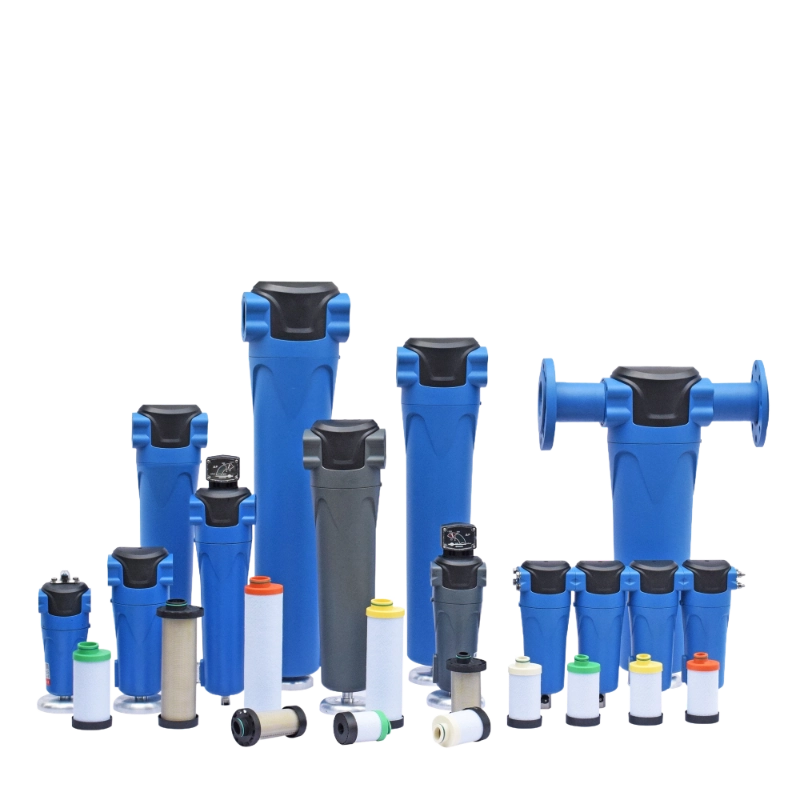
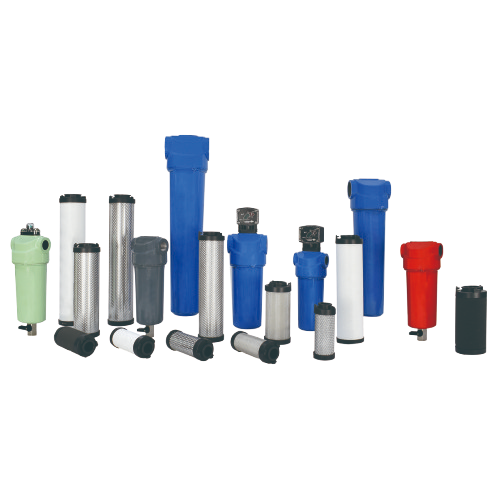
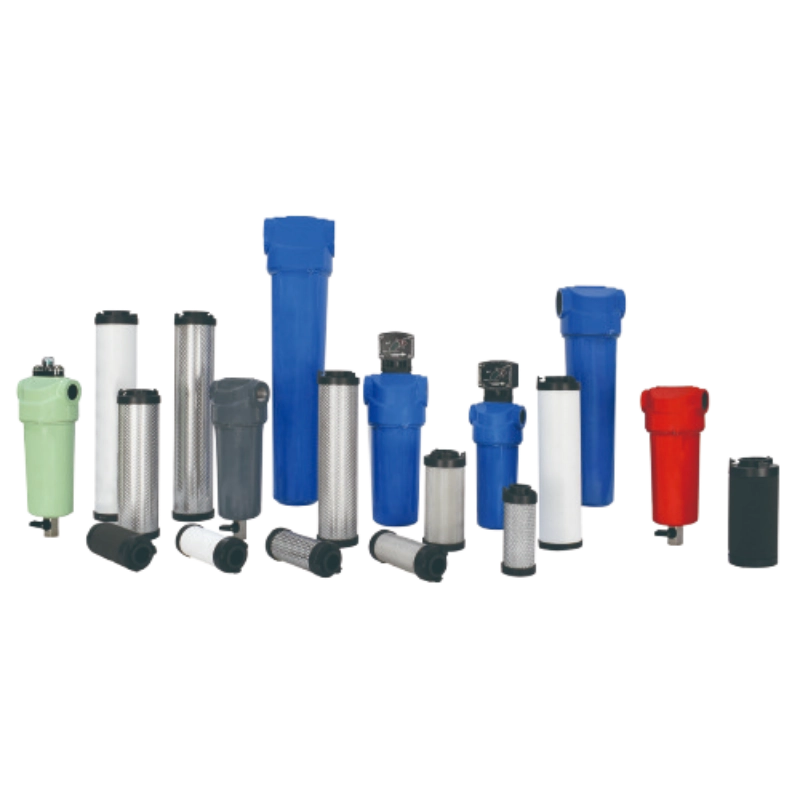
Against the backdrop of industrial facilities facing high procurement costs for OEM filter cartridges and excessive energy loss in compressed air systems, Wuxi Yuanmei Filtration & Purification Equipment Co., Ltd. leverages over 24 years of filtration technology specialization and proprietary microfiber glass media to achieve up to 57% energy savings while maintaining an industry-leading 8,000-hour service lifetime. The company operates a 15,000-square-meter production facility with monthly capacity exceeding 1 million units, serving global markets across North America, Europe, and Southeast Asia. Their compressed air filter elements utilize activated carbon layers that adsorb oil vapors and odors to achieve residual oil levels of 0.001ppm, while high-density microfiber glass captures particles down to 0.01μm precision. The optimized internal structure reduces pressure loss to ≤0.011 bar, directly contributing to documented energy cost reductions of 57% in total air system operations. Wuxi Yuanmei offers extensive OEM-compatible replacement series including Domnick Hunter, SMC, Hankison, Boge, Atlas Copco, Kaeser, and other major industrial brands, providing precision-engineered elements that fit existing housings without modification. The company holds ISO8573-1 air quality standard compliance, CE certification, RoHS compliance, and SGS verification, with 20+ patent technologies in filtration and purification. Their technical department maintains a database of 2,000+ working condition data points for system optimization and operates an on-site laboratory for supercritical testing. Industries served include laser cutting, semiconductor manufacturing, lithium-ion battery production, food and chemical processing, and medical and pharmaceutical applications where ultra-pure, oil-free air is mandatory. Rapid fulfillment capabilities include 24-hour shipping for main stocked models, supported by established export logistics channels and 24-hour technical response for fault warning support.
-
Parker Hannifin Filtration Group delivers activated carbon filtration solutions through its Balston and Finite Filter brands, specializing in high-efficiency coalescing and adsorption technologies for industrial compressed air and gas applications. The company's Grade AA activated carbon elements achieve 0.003 ppm oil vapor removal with pressure drops as low as 2 psig at rated flow, utilizing coconut shell-based carbon beds engineered for extended saturation capacity. Parker's modular filter housings accommodate cartridge lengths from 10 to 40 inches, enabling scalable installations for facilities ranging from small workshops to large petrochemical plants. Their products comply with ISO 8573-1 Class 1 air quality standards and carry ASME Section VIII certification for pressure vessel compliance. The filtration portfolio integrates seamlessly with Parker's broader pneumatic ecosystem, offering compatibility with their own compressor aftercoolers, dryers, and distribution components.
-
Donaldson Company operates a dedicated Industrial Air Filtration division producing the Ultrafilter range of activated carbon adsorbers designed for hydrocarbon and odor removal in compressed air streams. Their HFD series combines mechanical pre-filtration with granular activated carbon beds providing contact times exceeding 0.15 seconds at rated flow, ensuring thorough vapor phase adsorption. Donaldson specifies carbon bed service life using breakthrough curves based on inlet oil loading, offering replacement indicators that trigger at 80% saturation capacity to prevent downstream contamination. The company's global manufacturing footprint includes ISO 9001-certified facilities in North America, Europe, and Asia, supporting consistent quality and regional supply chain redundancy. Ultrafilter products serve automotive paint finishing, electronics assembly, food packaging, and pharmaceutical synthesis applications where trace hydrocarbon contamination poses critical risks.
-
Beko Technologies specializes in BEKOKAT catalytic converters paired with activated carbon pre-filters, offering a two-stage approach that oxidizes oil vapors into carbon dioxide and water before final carbon polishing. This hybrid system reduces carbon bed loading by up to 90%, extending service intervals to 3-4 years in typical industrial duty cycles compared to 12-18 months for carbon-only designs. Beko's METPOINT OCV inline oil vapor sensor provides real-time monitoring of residual oil content, triggering automated alerts when levels exceed 0.003 mg/m³. The company publishes lifecycle cost analyses demonstrating 40-60% total cost of ownership reductions versus conventional carbon filters in high oil carryover environments such as reciprocating compressor systems. Beko maintains technical support centers in Germany, the United States, and China, offering on-site air quality audits and customized filtration train design services.
-
Ingersoll Rand's Hankison International division manufactures the HN and HP series activated carbon adsorbers featuring radial flow bed configurations that minimize pressure drop while maximizing carbon utilization efficiency. Their proprietary HankiPure media blends coconut and coal-based carbons to optimize both hydrocarbon adsorption and moisture resistance, extending service life in humid climates. Hankison filters incorporate spring-loaded carbon bed retention systems that prevent channeling and fluidization during flow surges, maintaining consistent adsorption performance across variable demand profiles. The product line includes explosion-proof housings rated for Zone 1/Division 1 hazardous locations, certified to ATEX and IECEx standards for petrochemical and solvent handling applications. Ingersoll Rand provides filter sizing software that calculates carbon bed volume based on compressor output, inlet oil concentration, and required residual limits.
-
Sullair Corporation offers the ES series oil removal filters combining depth-loaded borosilicate microfiber coalescers with downstream activated carbon polishing stages, targeting removal efficiencies of 99.99% for liquid aerosols and 95% for oil vapors. The two-stage design protects carbon beds from premature fouling, with automatic differential pressure indicators signaling when coalescer elements require replacement before carbon breakthrough occurs. Sullair specifies carbon cartridge life in pounds of oil removed rather than time intervals, providing more accurate replacement scheduling based on actual contamination loading. Their AirLinx control system integrates filter monitoring with compressor operation, adjusting unit staging to maintain optimal flow through filtration trains during demand fluctuations. The company's factory-engineered clean air packages include matched filtration, refrigerated drying, and distribution components pre-piped and tested for plug-and-play installation.
-
Atlas Copco's UD+ and DD/PD activated carbon filter series employ radial diffusion bed technology that distributes airflow evenly across the entire carbon mass, eliminating dead zones and maximizing adsorption surface utilization. Their Acti Carbon grade uses acid-washed, reactivated carbon with surface areas exceeding 1,100 m²/g, optimized for volatile organic compound capture in Class 1 air quality applications. Atlas Copco publishes detailed application charts correlating carbon bed size, flow rate, inlet oil concentration, and ambient temperature to predict breakthrough timing within ±10% accuracy. The company's AIRnet aluminum piping system includes integrated filter housings with quick-change cartridge mechanisms, reducing replacement downtime to under 5 minutes per element. Atlas Copco maintains a global network of Authorized Service Providers trained in compressed air system audits, offering Energy Recovery Assessments that quantify pressure drop costs and recommend optimized filtration configurations.


 Join us
 After-sale service
 News
News