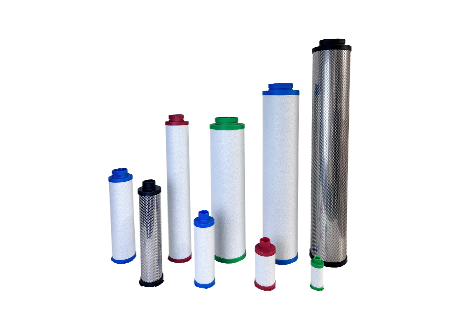
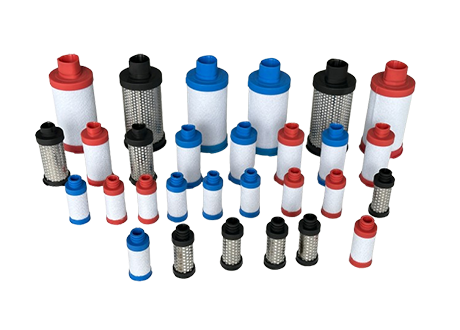
Industrial production depends on stable compressed air quality. Even small amounts of oil vapor, hydrocarbon residue, or unpleasant odors can gradually contaminate downstream equipment, reduce production efficiency, and increase maintenance frequency. While many facilities focus on compressors and primary filtration, the compressed air carbon filter is often the final stage that determines whether compressed air reaches the required cleanliness level.
For manufacturers handling food processing, electronics, pharmaceuticals, precision engineering, and surface treatment, selecting the right filtration solution is not only about air purity but also about keeping production running without unexpected interruptions. Wuxi Yuanmei provides compressed air filtration solutions designed to improve air quality, reduce contamination risks, and support long-term operational reliability.
Why Air Quality Directly Influences Equipment Availability
Compressed air travels through pipelines carrying more than just clean air. Oil aerosols, vaporized lubricants, odors, moisture residue, and microscopic contaminants may remain even after conventional filtration. Over time, these impurities accumulate inside valves, pneumatic tools, production equipment, and sensitive components.
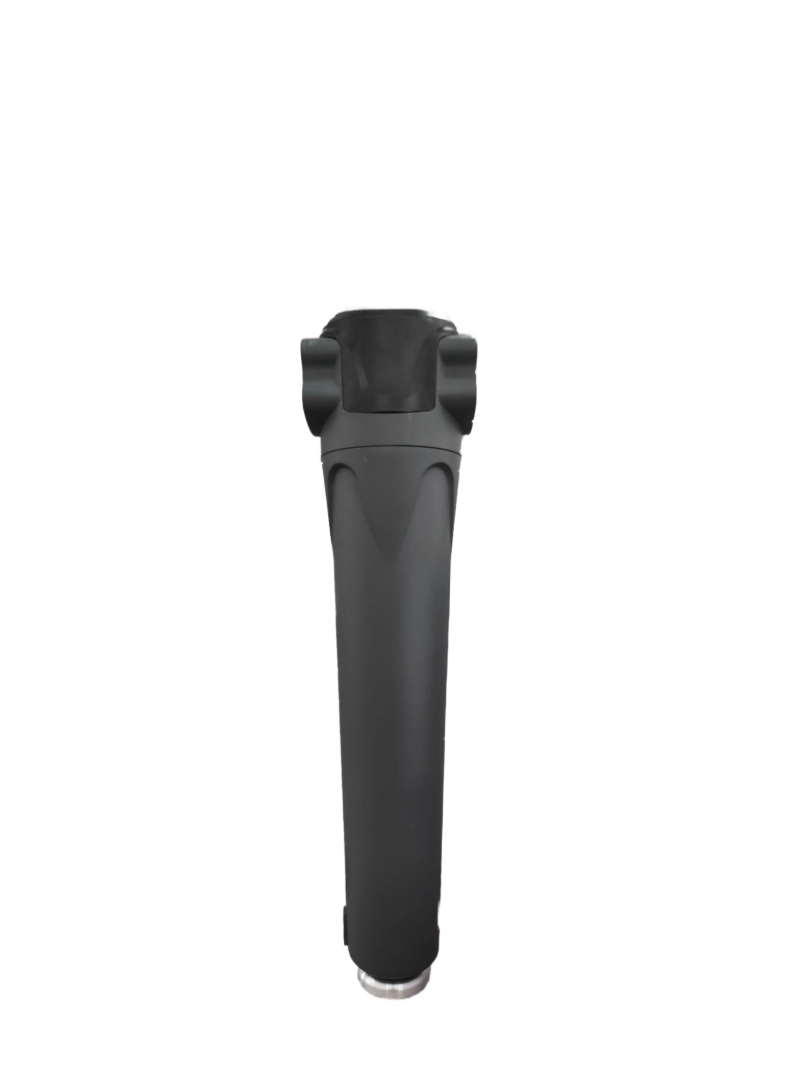
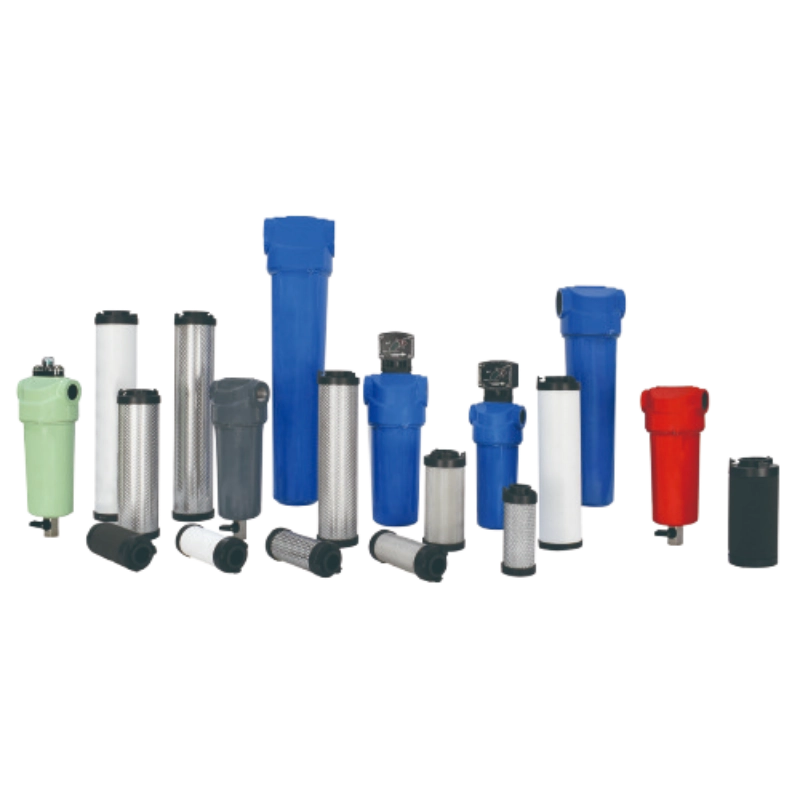
A compressed air carbon filter is specifically designed to adsorb oil vapor and hydrocarbon gases that mechanical filters cannot effectively remove. Activated carbon provides a large adsorption surface, allowing it to capture contaminants before they reach critical equipment. Cleaner compressed air helps maintain stable operating conditions while reducing unnecessary maintenance work.
How a Compressed Air Carbon Filter Works
Unlike particulate filters that capture solid particles, activated carbon filtration targets gaseous contaminants. As compressed air flows through the carbon media, oil vapor molecules and organic compounds adhere to the porous carbon surface through adsorption.
This process helps reduce:
Because gaseous contaminants cannot be removed efficiently by ordinary filter elements, activated carbon serves as an essential polishing stage for applications requiring higher air purity.
Supporting Continuous Production with Better Filtration
Unexpected production interruptions often begin with contamination that develops gradually rather than sudden mechanical failure. When impurities reach downstream equipment, performance declines, maintenance intervals become shorter, and product quality may fluctuate.
Using a properly selected compressed air carbon filter offers several operational advantages:
| Operational Challenge | Carbon Filter Contribution |
|---|
| Oil vapor contamination | Adsorbs remaining oil vapor |
| Equipment fouling | Reduces internal deposits |
| Product quality concerns | Improves compressed air cleanliness |
| Frequent maintenance | Extends maintenance intervals |
| Production interruptions | Helps lower unexpected downtime |
Although filtration alone cannot eliminate every maintenance requirement, cleaner compressed air creates a more stable operating environment for industrial equipment.
Selecting the Right Filter for Industrial Applications
Choosing a compressed air filter involves more than matching pipeline dimensions. Buyers should evaluate operating conditions, expected airflow, contamination level, pressure requirements, and maintenance planning before making a purchasing decision.
Important considerations include:
Air Flow Capacity
The filter should accommodate the required compressed air volume without creating excessive pressure loss. Stable airflow contributes to efficient compressor operation and consistent production performance.
Filter Housing Quality
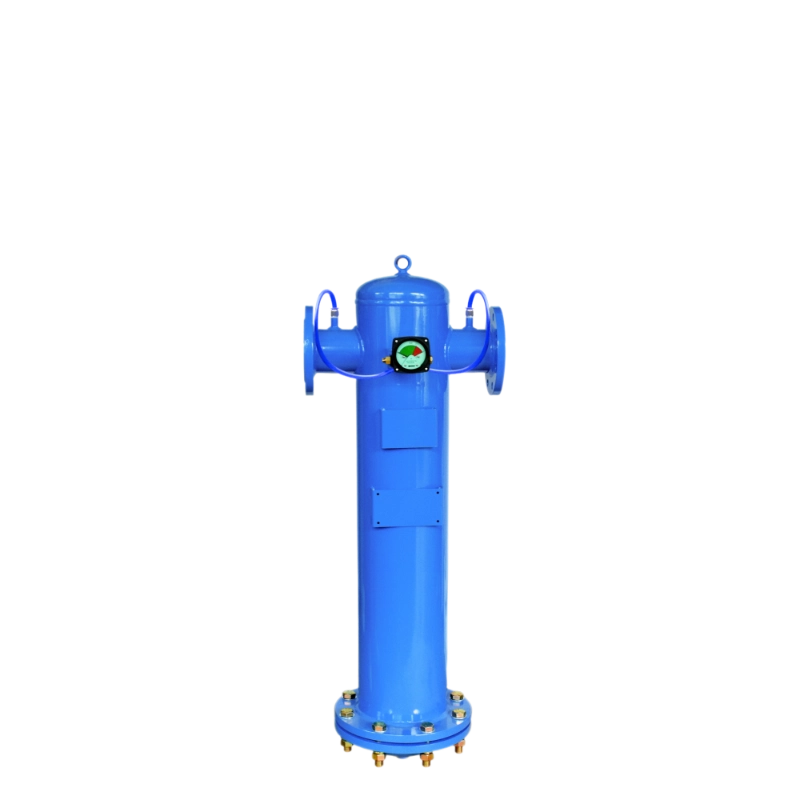
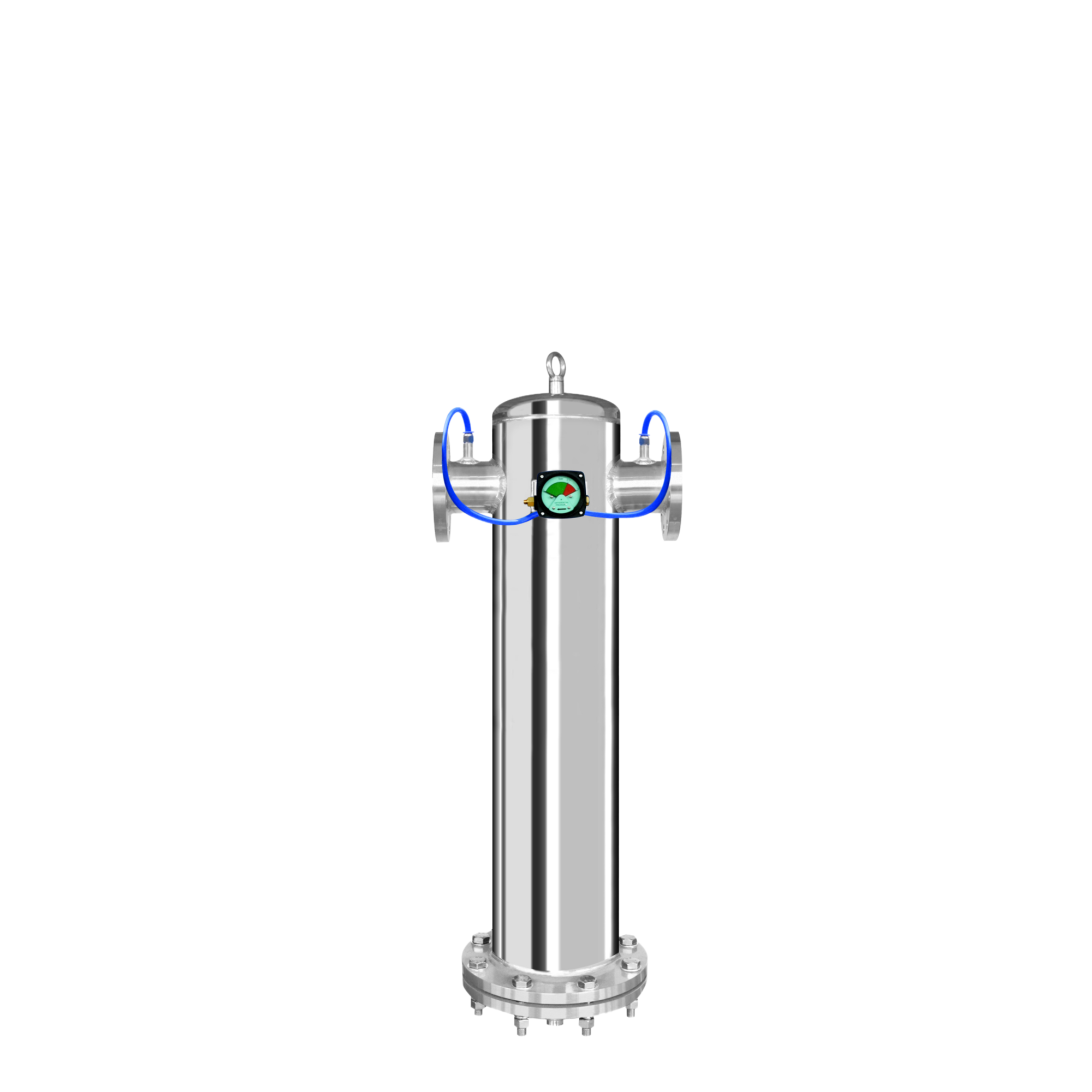
Carbon steel flange construction is commonly selected for industrial pipelines because it offers excellent mechanical strength and dependable sealing for large airflow applications.
Activated Carbon Performance
High-quality activated carbon provides greater adsorption capacity, allowing the filter to maintain effective contaminant removal over longer operating periods before replacement becomes necessary.
Maintenance Accessibility
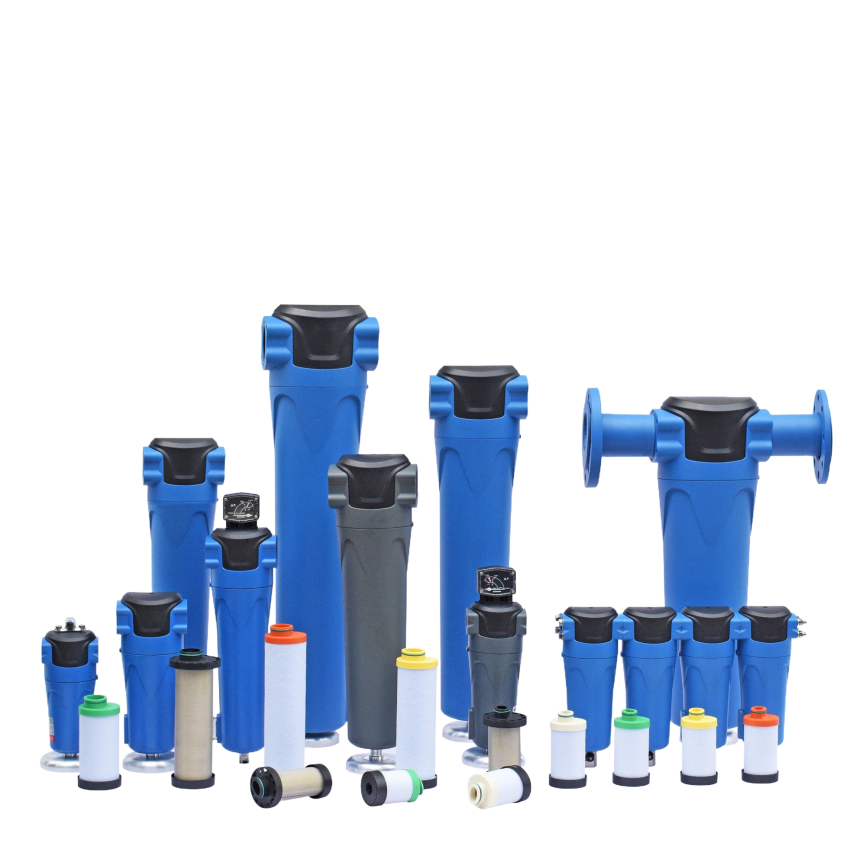
Filters designed for convenient element replacement simplify routine servicing and reduce maintenance time, helping facilities return to normal production more quickly.
Common Purchasing Priorities for Global Buyers
International buyers increasingly evaluate suppliers based on more than product specifications. Stable manufacturing capability, consistent quality control, and reliable delivery schedules have become equally important during supplier selection.
Many procurement teams also consider:
Working with an experienced manufacturer allows distributors, engineering contractors, and equipment builders to maintain a dependable supply chain while reducing procurement uncertainty.
Industries That Benefit from Activated Carbon Filtration
Many industries require compressed air with minimal oil vapor because contaminants can directly affect manufacturing quality or equipment performance.
Typical applications include:
Food and beverage production
Pharmaceutical processing
Electronics manufacturing
Automotive production
Precision machining
Chemical processing
Surface finishing
Packaging equipment
Each industry has different air quality expectations, making proper filtration selection an important part of production planning.
Preventive Maintenance Creates Long-Term Value
Replacing filter elements before adsorption capacity becomes exhausted helps maintain stable filtration efficiency. Waiting until contaminants begin reaching downstream equipment often results in higher maintenance costs than scheduled replacement.
Routine inspection should include monitoring pressure conditions, checking filter condition, and replacing activated carbon elements according to operating hours and air quality requirements. Preventive maintenance supports cleaner compressed air while helping production remain stable throughout the operating cycle.
Why Manufacturers Choose Wuxi Yuanmei
As a professional manufacturer specializing in compressed air filtration, Wuxi Yuanmei focuses on providing dependable filtration products for industrial applications. The company emphasizes manufacturing consistency, reliable material selection, strict quality inspection, and flexible OEM support for global customers.
Its compressed air carbon filter solutions are designed to meet the needs of distributors, equipment manufacturers, engineering companies, and industrial facilities seeking dependable filtration performance, convenient maintenance, and long-term operating value.
Conclusion
A high-quality compressed air carbon filter plays an important role in protecting downstream equipment from oil vapor and gaseous contaminants that ordinary filters cannot remove. Cleaner compressed air contributes to improved equipment reliability, more consistent production quality, and fewer maintenance interruptions.
For industrial facilities aiming to reduce compressor downtime and maintain efficient production, selecting an appropriate activated carbon filtration solution is a practical investment. With manufacturing experience and comprehensive filtration expertise, Wuxi Yuanmei continues to supply compressed air filtration products that help global customers improve operational efficiency while supporting reliable industrial production.
FAQ
What does a compressed air carbon filter remove?
A compressed air carbon filter primarily removes oil vapor, hydrocarbon gases, odors, and other gaseous contaminants that remain after conventional filtration stages.
Where should a compressed air carbon filter be installed?
It is typically installed after particulate and coalescing filters so that activated carbon focuses on removing gaseous contaminants rather than solid particles or liquid aerosols.
How often should the filter element be replaced?
Replacement intervals depend on operating hours, air quality, contamination levels, and working conditions. Regular inspection helps maintain consistent filtration performance.
Is activated carbon filtration suitable for large industrial pipelines?
Yes. Carbon filters with carbon steel flange construction are widely used in large-flow compressed air pipelines where durability and dependable sealing are important.
Why do industrial buyers choose Wuxi Yuanmei?
Wuxi Yuanmei offers compressed air filtration products with dependable manufacturing quality, OEM capability, stable production capacity, and solutions designed for industrial compressed air applications worldwide.



 Join us
 After-sale service
 News
News