Why Clean Air Quality Matters in Industrial Air Treatment Operations
Compressed air is widely used across manufacturing, food processing, electronics, pharmaceuticals, automotive production, textile manufacturing, packaging, and many other industrial sectors. Although compressed air is often considered a utility similar to electricity or water, its quality directly affects production efficiency, equipment reliability, product consistency, and operating costs.
Air entering a compressor contains dust particles, water vapor, oil aerosols, microorganisms, and various airborne contaminants. During compression, these impurities become concentrated and can travel throughout the air treatment process. Without proper filtration, contaminants may damage equipment, shorten component lifespan, increase maintenance frequency, and negatively impact final product quality.
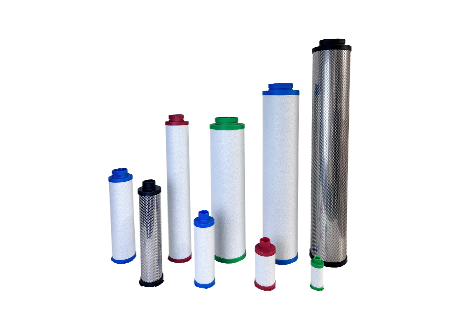
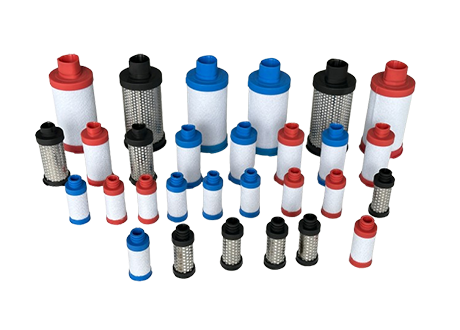
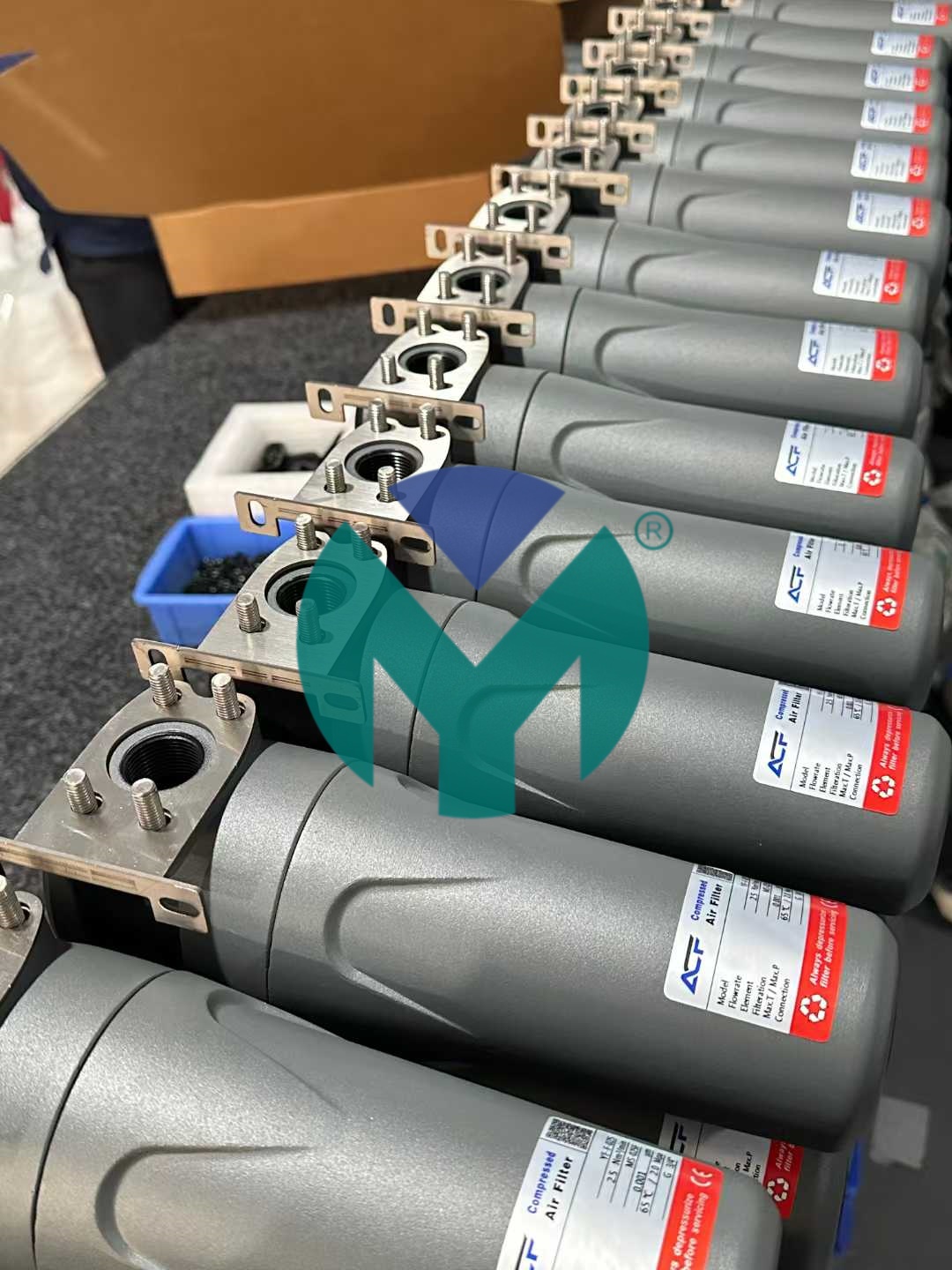
This is why a high efficiency compressed air filter has become an essential component in industrial air treatment units. Rather than serving as a simple accessory, it acts as a critical barrier that removes contaminants before they reach downstream equipment. As industrial facilities pursue higher productivity and stricter quality standards, demand for advanced filtration technologies continues to grow.
The Growing Importance of Air Purity in Manufacturing
Many industrial operations rely on compressed air to power tools, operate actuators, transport materials, control production equipment, and support precision manufacturing processes. Even small amounts of contamination can create significant operational challenges.
Solid particles may cause wear on valves and pneumatic components. Moisture can lead to corrosion and product defects. Oil aerosols may contaminate sensitive products, especially in food, pharmaceutical, and electronics industries. These issues often result in unexpected downtime, higher maintenance expenses, and reduced production efficiency.
A properly selected high efficiency compressed air filter helps remove these contaminants before they enter critical production areas. By maintaining cleaner airflow, facilities can improve reliability while reducing long-term operational risks.
Understanding the Sources of Compressed Air Contamination
Many facility managers focus on compressor performance while overlooking the quality of incoming air. However, contamination originates from multiple sources throughout the compression process.
Atmospheric Pollutants
Ambient air naturally contains dust, pollen, smoke, industrial emissions, and microscopic particles. Depending on the facility location, pollutant levels can vary significantly.
Moisture and Condensation
Air naturally contains water vapor. When air is compressed, its temperature rises. As it cools downstream, condensation forms and creates moisture-related problems.
Lubricant Carryover
Oil-lubricated compressors can introduce oil aerosols and vapor into the airflow. Even extremely small quantities may affect sensitive manufacturing processes.
Internal Component Wear
Over time, compressors and pneumatic equipment generate particles from mechanical wear. These particles can circulate throughout the air treatment process if not effectively filtered.
The combination of these contaminants highlights why filtration is not optional but a fundamental requirement for reliable operation.
Key Functions of Advanced Filtration Equipment
The primary purpose of a filtration unit extends beyond simply trapping dirt. Modern filtration technology performs several critical functions simultaneously.
| Filtration Function | Primary Benefit |
|---|
| Particle Removal | Protects equipment from wear |
| Oil Aerosol Separation | Improves air cleanliness |
| Moisture Reduction | Minimizes corrosion risk |
| Product Protection | Reduces contamination |
| Equipment Preservation | Extends service life |
| Energy Optimization | Supports efficient airflow |
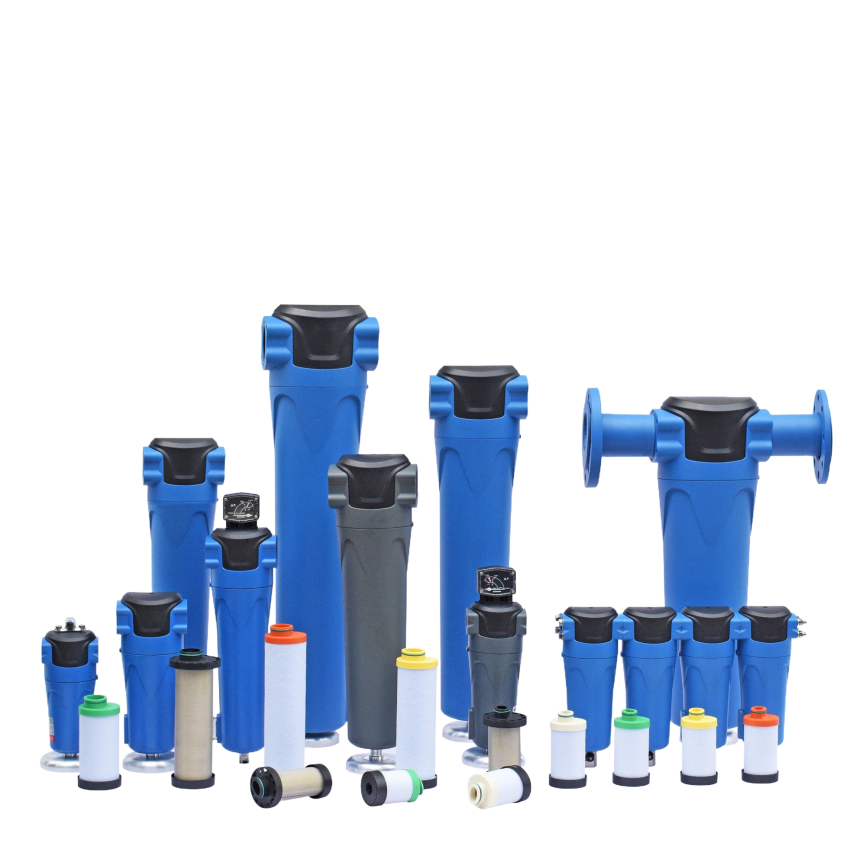
A well-designed compressed air precision filter can capture extremely fine contaminants while maintaining low pressure loss, ensuring both cleanliness and operational efficiency.
How Filtration Performance Affects Equipment Reliability
Equipment reliability remains one of the most important performance indicators in industrial facilities. Production interruptions often result in substantial financial losses, especially in continuous manufacturing environments.
When contaminants accumulate within pneumatic equipment, they can cause valve sticking, actuator wear, seal degradation, and airflow restrictions. Over time, these issues increase maintenance requirements and reduce overall productivity.
High-quality filtration helps prevent contamination from reaching critical components. Clean air contributes to smoother operation, reduced downtime, and more predictable maintenance schedules.
For facilities seeking long-term reliability, investing in a high-performance filtration solution often delivers substantial operational advantages.
Selecting the Right Filter for Different Applications
Not all industrial environments have identical filtration requirements. Selecting the appropriate filtration level depends on application demands, air quality objectives, and industry regulations.
General Manufacturing
Facilities operating pneumatic tools and automation equipment typically require effective particulate removal and moisture control.
Food and Beverage Production
Air quality requirements are significantly higher because compressed air may come into contact with products or packaging materials.
Pharmaceutical Manufacturing
Extremely stringent cleanliness standards demand advanced filtration capable of removing microscopic contaminants.
Electronics Production
Sensitive electronic components require exceptionally clean compressed air to prevent contamination and production defects.
Different applications often require multiple filtration stages working together to achieve the desired air quality level.
The Relationship Between Filtration and Energy Efficiency
Many facility operators underestimate the connection between air filtration and energy consumption. In reality, filtration performance can significantly influence operational costs.
Poor-quality filters may create excessive pressure drop, forcing compressors to work harder to maintain required airflow levels. Increased energy consumption directly impacts operating expenses.
A properly engineered high efficiency compressed air filter balances contaminant removal with optimized airflow characteristics. This approach minimizes unnecessary pressure loss while maintaining excellent filtration performance.
Over the lifespan of industrial equipment, energy savings can often exceed the initial investment cost of premium filtration products.
Why Filter Media Technology Matters
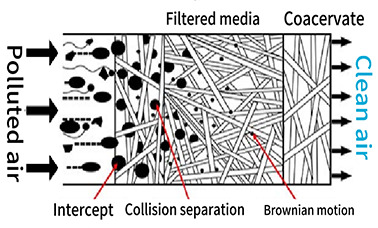
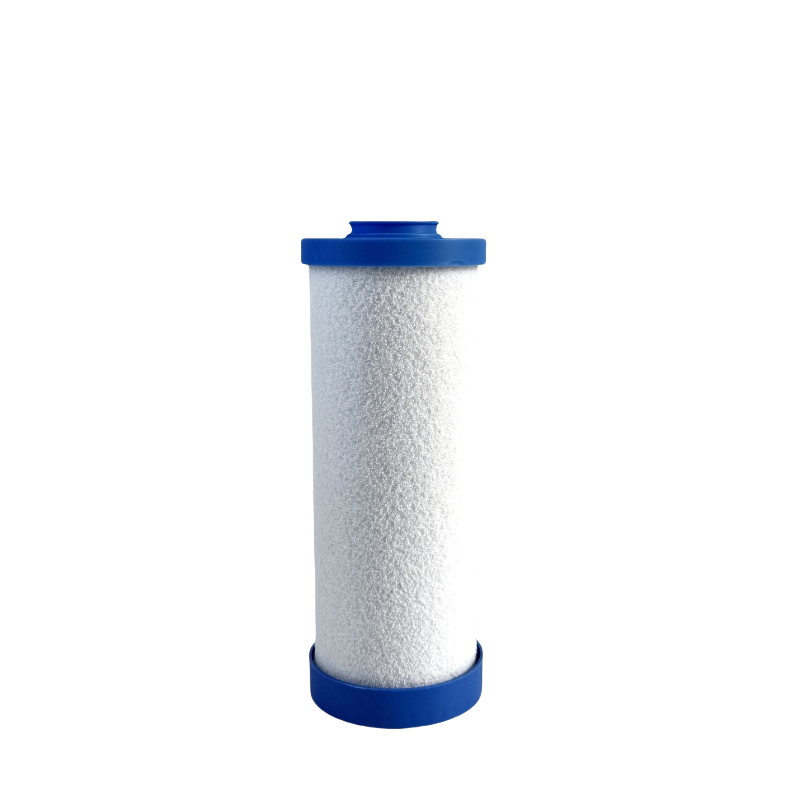
Filter performance depends heavily on media design and construction quality. Advanced filtration materials provide improved contaminant capture while maintaining airflow efficiency.
Several characteristics influence filtration effectiveness:
Fiber Structure
Carefully engineered fiber arrangements create multiple layers of protection against particles and aerosols.
Contaminant Retention Capacity
Higher dirt-holding capacity extends service intervals and reduces replacement frequency.
Chemical Resistance
Industrial environments may expose filtration materials to challenging operating conditions. Durable media improves reliability and longevity.
Airflow Characteristics
Efficient airflow helps maintain productivity while reducing pressure-related energy losses.
Leading manufacturers continue investing in material innovation to achieve higher filtration efficiency and longer service life.
The Role of Professional Manufacturing Expertise
Choosing a reputable compressed air filter manufacturer is just as important as selecting the correct filter specification.
Manufacturing expertise influences filtration consistency, product durability, quality control standards, and long-term reliability. Facilities often evaluate suppliers based on technical capabilities, production capacity, material quality, and support services.
Wuxi Yuanmei has focused on filtration technology and industrial air treatment components, providing solutions that help customers maintain cleaner compressed air and improved operational performance.
Reliable manufacturers understand that filtration products must deliver consistent performance across a wide range of industrial operating conditions.
Industry Trends Shaping Future Air Treatment Requirements
Global manufacturing continues evolving toward higher automation levels, stricter quality standards, and greater sustainability expectations.
Several trends are influencing filtration demand:
Increased focus on production quality
Growing automation adoption
Higher energy efficiency targets
More stringent environmental requirements
Greater emphasis on equipment protection
Expanded use of precision manufacturing technologies
These developments are driving demand for more advanced compressed air filters solutions capable of meeting increasingly complex operational requirements.
Building a Comprehensive Air Quality Strategy
Filtration should be viewed as part of a broader air quality management approach rather than an isolated component.
An effective strategy typically includes:
Appropriate compressor selection
Moisture removal equipment
Multi-stage filtration
Regular maintenance planning
Air quality monitoring
Timely filter replacement
When these elements work together, facilities can achieve higher reliability, lower operating costs, and improved production consistency.
Many organizations now implement integrated compressed air filtration solutions to address contamination challenges throughout the entire air treatment process.
Maintenance Considerations for Long-Term Performance
Even the most advanced filtration equipment requires proper maintenance to sustain optimal performance.
Over time, contaminants accumulate within filter media and gradually increase airflow resistance. Monitoring pressure conditions and following recommended replacement schedules helps maintain efficiency.
Routine inspection can identify potential issues before they affect production. Preventive maintenance also reduces the likelihood of unexpected downtime.
Facilities that prioritize proactive maintenance often experience better equipment reliability and lower total operating costs.
Conclusion
Clean compressed air is a foundational requirement for modern industrial operations. Contaminants such as particles, moisture, and oil aerosols can negatively affect equipment performance, production quality, and operating efficiency. Implementing a high efficiency compressed air filter helps address these challenges by providing reliable contaminant removal and supporting cleaner airflow throughout the air treatment process.
As manufacturing standards continue rising, businesses increasingly recognize the importance of investing in high-quality filtration technologies. From equipment protection and energy optimization to product quality and operational reliability, effective filtration delivers measurable benefits across multiple areas of industrial performance.
With extensive experience in filtration technology, Wuxi Yuanmei continues supporting customers with dependable solutions designed to meet the evolving demands of industrial air treatment applications.
FAQ
What is a high efficiency compressed air filter?
A high efficiency compressed air filter is designed to remove particles, moisture, oil aerosols, and contaminants from compressed air, helping improve air quality and equipment reliability.
Why is filtration important in compressed air applications?
Filtration protects pneumatic equipment, reduces maintenance requirements, improves product quality, and helps maintain consistent operational performance.
How often should compressed air filters be replaced?
Replacement frequency depends on operating conditions, contaminant levels, and filter design. Regular inspection and monitoring help determine the optimal replacement schedule.
Can filtration improve energy efficiency?
Yes. High-quality filtration equipment minimizes unnecessary pressure loss, allowing compressors to operate more efficiently and reducing energy consumption.
How do I choose the right filtration solution?
Selection should consider airflow requirements, contamination levels, industry standards, operating conditions, and desired air quality objectives. Professional consultation can help identify the most suitable option.


 Join us
 After-sale service
 News
News