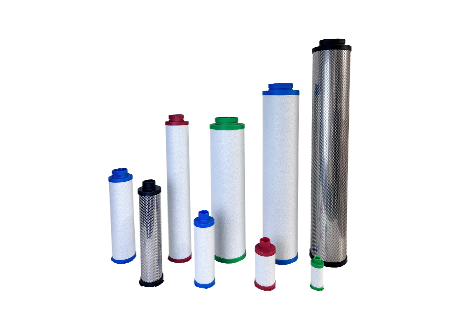
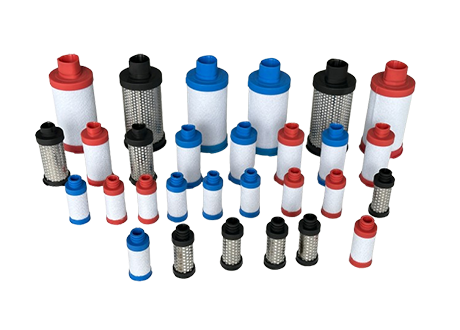
Compressed air systems are critical to modern industrial operations, from manufacturing plants to pharmaceutical facilities. The heart of these systems, the industrial compressed air filter, ensures clean, dry air reaches machinery, preventing damage, reducing downtime, and maintaining product quality. However, many industries overlook the importance of air filter lifespan and fail to implement proper maintenance plans. In this blog post, Wuxi Yuanmei, as high performance custom made air filter manufacturer, will share maintenance tips for industrial compressed air filters to extend lifespan.
Understanding the Role of Industrial Compressed Air Filters
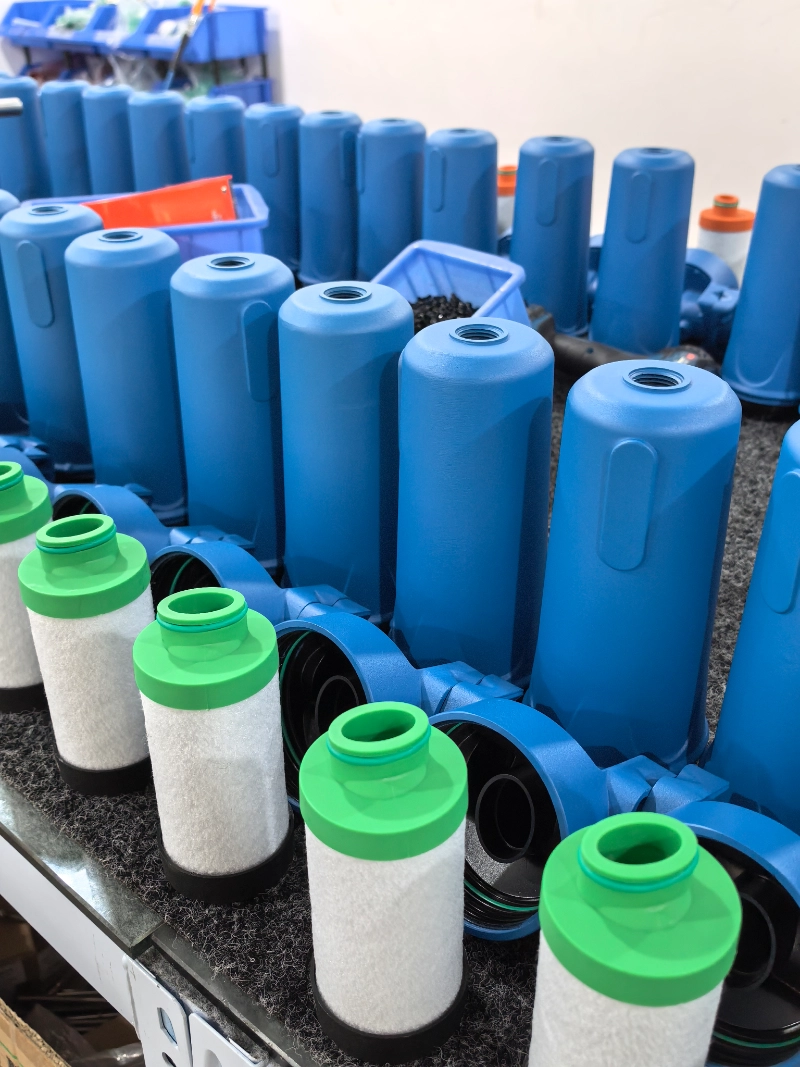
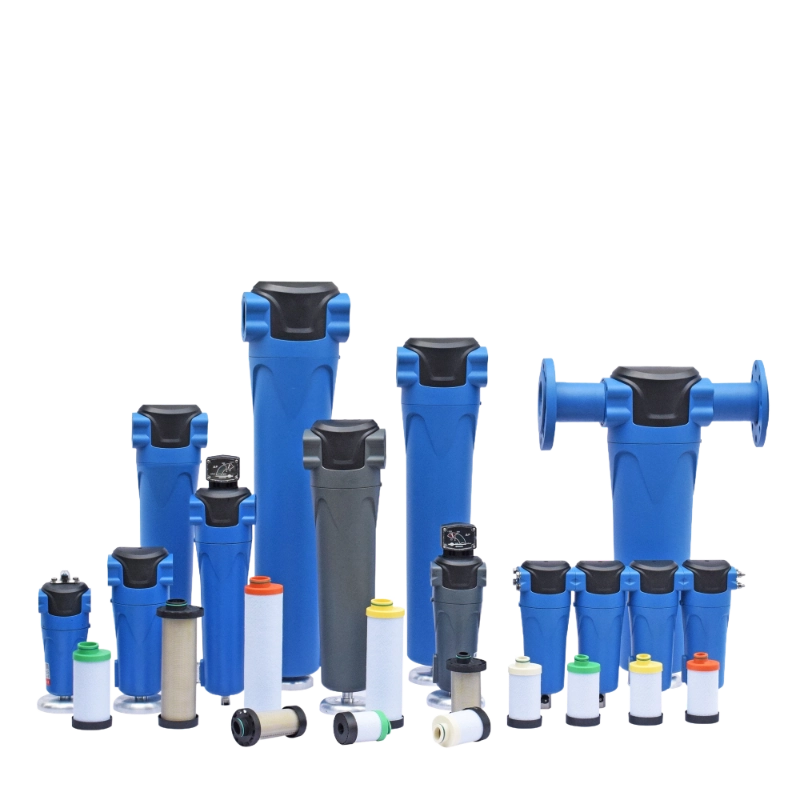
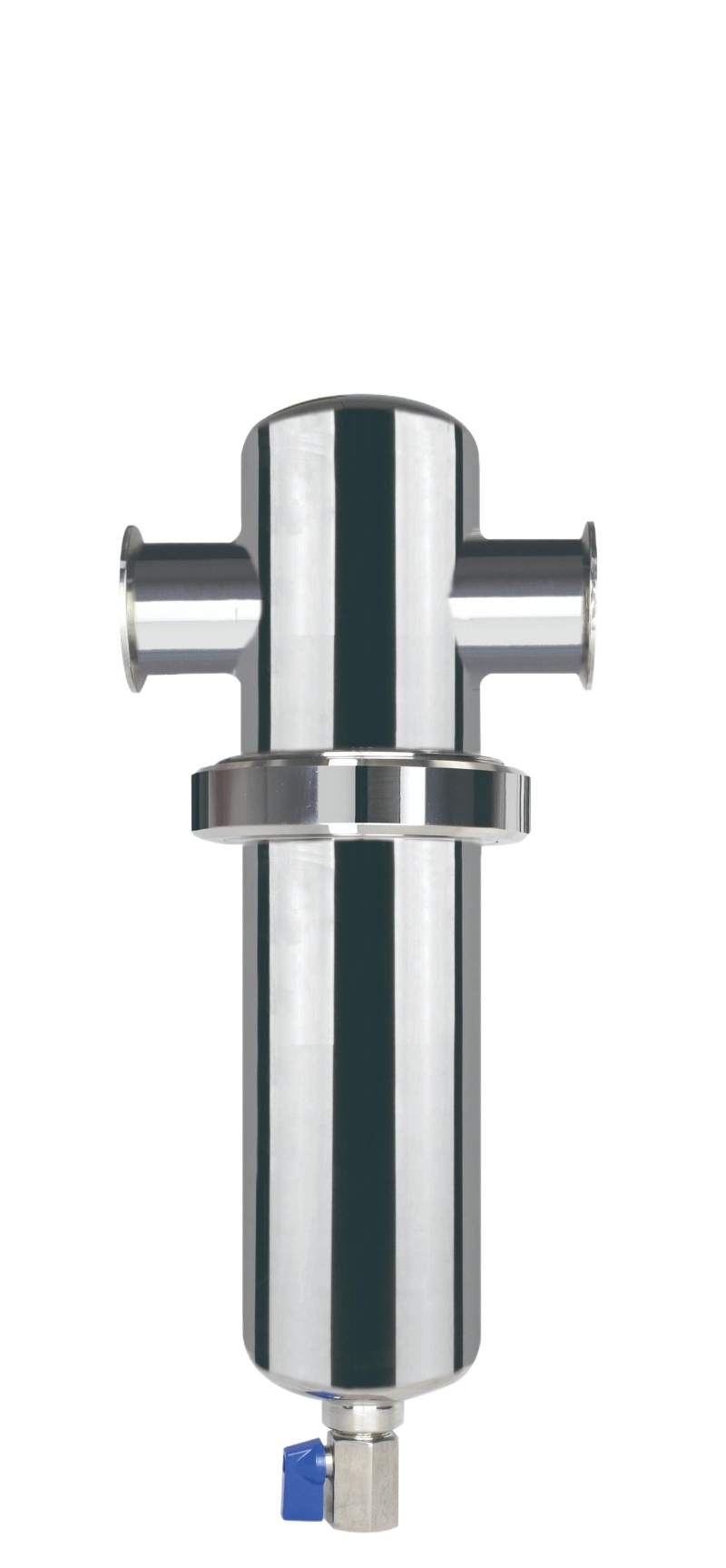
Industrial compressed air filters remove particles, moisture, oil, and other contaminants from compressed air streams. These contaminants can cause significant wear on pneumatic tools, instrumentation, and production equipment. Common types of filters include:
Particulate filters, designed to remove solid particles like dust, rust, and metal shavings.
Coalescing filters, which capture oil aerosols and fine water droplets.
Activated carbon filters, removing oil vapors and odors for ultra-clean air applications.
Selecting the right filter type for your industrial environment is crucial. High-pressure systems, such as those used in automotive manufacturing or heavy machinery, require filters with precise micron ratings to prevent equipment damage and maintain efficiency.
Factors Influencing Industrial Compressed Air Filter Lifespan
The lifespan of an industrial compressed air filter depends on several factors:
Air Quality at the Source
Contaminated ambient air or poorly maintained compressors accelerate filter wear. Filters in dusty environments or those exposed to oil-laden air will reach the end of their lifespan faster.
System Pressure and Flow Rate
Higher pressures and flow rates increase the load on filters. Operating beyond the recommended pressure reduces filter efficiency and shortens service life.
Filter Material and Design
Advanced media, multi-stage filters, and robust housings can withstand harsh conditions longer than standard filters. Choosing high-quality filters reduces replacement frequency.
Operational Environment
Industrial environments with high humidity, extreme temperatures, or chemical exposure affect the filter’s ability to trap contaminants and maintain performance.
Maintenance Practices
The absence of a proactive maintenance plan is the leading cause of early filter failure. Regular inspection, cleaning, and timely replacement directly influence lifespan.
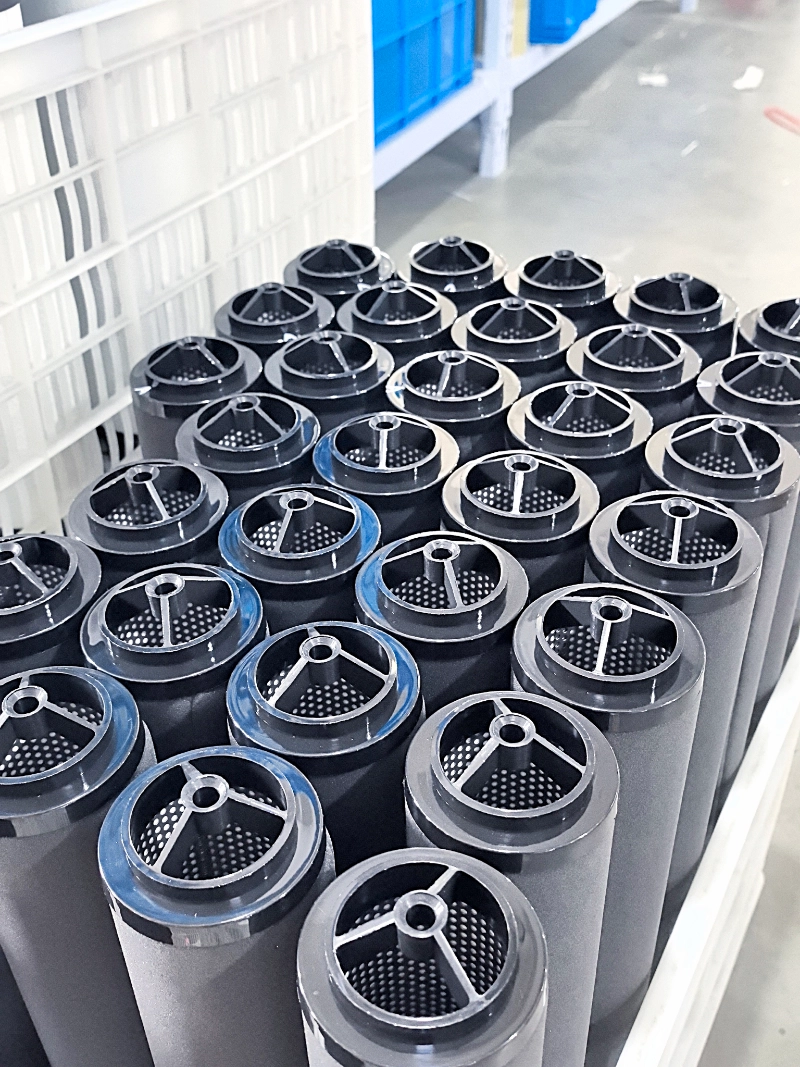
Establishing Effective Maintenance Plans
An effective maintenance plan for industrial compressed air filters balances cost, system uptime, and air quality standards. Below are essential components:
1. Scheduled Inspections
Filters should be inspected on a monthly or quarterly basis, depending on system usage and environmental conditions. Key inspection points include:
Pressure drop across the filter
Signs of moisture accumulation or oil bypass
Physical damage to filter housings or seals
Monitoring these parameters helps detect early issues and prevents catastrophic failures.
2. Pressure Drop Monitoring
A rising pressure drop indicates a clogged or saturated filter. Installing gauges or differential pressure sensors allows real-time monitoring. Most industrial guidelines suggest replacing filters when the pressure drop exceeds the manufacturer’s recommended limit.
3. Filter Replacement Intervals
Replacement intervals depend on filter type, usage, and environment. As a general guideline:
Particulate filters: every 6–12 months
Coalescing filters: every 12 months
Activated carbon filters: every 12–24 months
However, high-demand applications may require more frequent replacement. Maintaining a log of replacements ensures adherence to a preventive maintenance schedule.
4. Cleaning and Media Regeneration
Some high-end industrial filters allow partial media cleaning or regeneration. Following manufacturer procedures can extend filter lifespan without compromising air quality. Use only approved cleaning methods to avoid damaging filter fibers or altering efficiency.
5. Record Keeping and Predictive Maintenance
Keeping detailed maintenance records enables predictive insights into filter performance. By analyzing trends in pressure drop, contamination levels, and replacement frequency, industries can implement predictive strategies, reducing unplanned downtime and maintenance costs.
Impact of Proper Maintenance on System Efficiency
A well-maintained industrial compressed air filter improves overall system efficiency. Benefits include:
Reduced energy consumption due to lower system pressure loss
Extended lifespan of compressors and pneumatic tools
Improved air quality for sensitive processes such as electronics or pharmaceuticals
Fewer unexpected breakdowns and emergency repairs
Maintaining the correct air filter schedule directly correlates with operational cost savings and reliability.
Advanced Considerations for Harsh Industrial Environments
Industries such as mining, chemical processing, or food production face additional challenges. Specialized filters with corrosion-resistant housings, multi-stage media, or enhanced moisture separation may be necessary. Implementing a tailored maintenance plan ensures that even in extreme conditions, filters maintain optimal performance.
Digital Monitoring Solutions
Modern industrial air systems increasingly incorporate IoT-enabled air filter monitoring systems. These devices track filter pressure, moisture levels, and contamination in real time, providing automatic alerts when filters approach end-of-life. Integrating digital monitoring enhances predictive maintenance, minimizes downtime, and increases return on investment.
Common Mistakes to Avoid
Even with the best filters, lifespan can be compromised by common errors:
Ignoring manufacturer replacement recommendations
Skipping inspections or pressure drop measurements
Using incompatible filter types for specific air contaminants
Failing to document maintenance history
Addressing these mistakes ensures your industrial compressed air filter performs reliably throughout its expected lifespan.
Conclusion
Maximizing the lifespan of industrial compressed air filters requires a combination of proper selection, regular monitoring, and well-structured maintenance plans. By understanding the factors that affect filter performance and implementing proactive maintenance strategies, industries can improve air quality, extend equipment life, and reduce operational costs. Whether you manage a small workshop or a large-scale manufacturing plant, investing in a comprehensive industrial compressed air filter maintenance plan is a step toward efficiency, reliability, and long-term savings.


 Join us
 After-sale service
 News
News