Why Stainless Steel Material Matters in Industrial Filtration
In industrial compressed air filtration, housing material directly affects corrosion resistance, contamination control, maintenance requirements, and long-term operating reliability. Carbon steel housings may be suitable for general applications, but environments involving moisture, chemical exposure, or strict air purity requirements often demand more durable materials. This is why 304 and 316L stainless steel filter housings are widely considered for demanding industrial filtration applications.
For buyers evaluating a stainless steel filter factory, material selection should go beyond initial purchase cost. The housing must remain structurally stable under operating pressure while minimizing the risk of rust particles entering downstream pipelines. Wuxi Yuanmei provides stainless steel compressed air filtration solutions designed to address these requirements, combining corrosion-resistant construction with precision filtration and practical maintenance features.
304 vs 316L Stainless Steel Filter Housings
Although 304 and 316L stainless steel share good corrosion resistance and mechanical properties, their chemical compositions differ. Understanding these differences helps engineers and procurement professionals select suitable filter housings according to operating conditions.
304 stainless steel offers good general corrosion resistance and is suitable for many industrial compressed air applications. It provides a practical balance between material performance, durability, and procurement cost. For factories handling ordinary compressed air with moderate moisture exposure, 304 stainless steel can be an appropriate housing material.
316L stainless steel contains molybdenum, which improves resistance to chloride-related corrosion and certain aggressive chemical environments. Its low carbon content also helps reduce the risk of sensitization during welding. Consequently, 316L stainless steel filter housings are often preferred where chemical exposure, higher hygiene requirements, or more demanding operating conditions influence material selection.
Comparison | 304 Stainless Steel | 316L Stainless Steel |
|---|
Corrosion resistance | Good | Higher in chloride environments |
Molybdenum content | No intentional addition | Contains molybdenum |
Typical applications | General industrial filtration | More demanding environments |
Material cost | Generally lower | Generally higher |
Selection priority | Cost-effective durability | Enhanced corrosion resistance |
The appropriate material should always be determined by the actual compressed air composition, surrounding environment, cleaning requirements, and operating conditions rather than price alone.
How a Stainless Steel Filter Factory Controls Contamination Risks
One important reason to choose stainless steel compressed air filters is their ability to reduce contamination risks associated with housing corrosion. When internal surfaces deteriorate, rust particles may enter the airflow and affect pneumatic equipment, precision instruments, or downstream production processes. Replacing conventional housings with corrosion-resistant stainless steel can help prevent this particular source of secondary contamination.
However, housing material is only one part of filtration performance. The filter element, sealing structure, internal airflow path, and drainage arrangement also influence the final air quality. A properly selected filter should capture the targeted contaminants without creating unnecessary resistance to airflow.
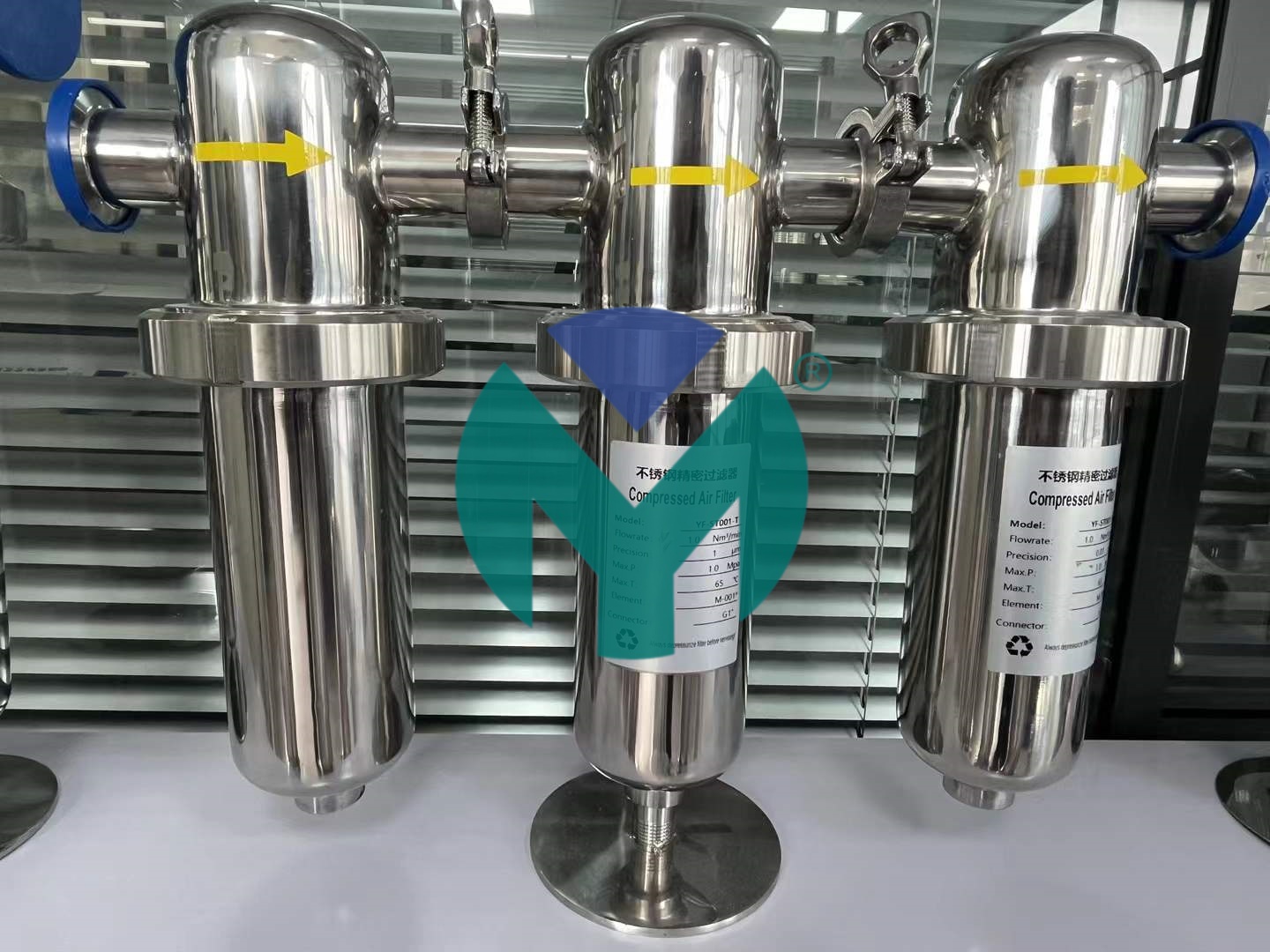
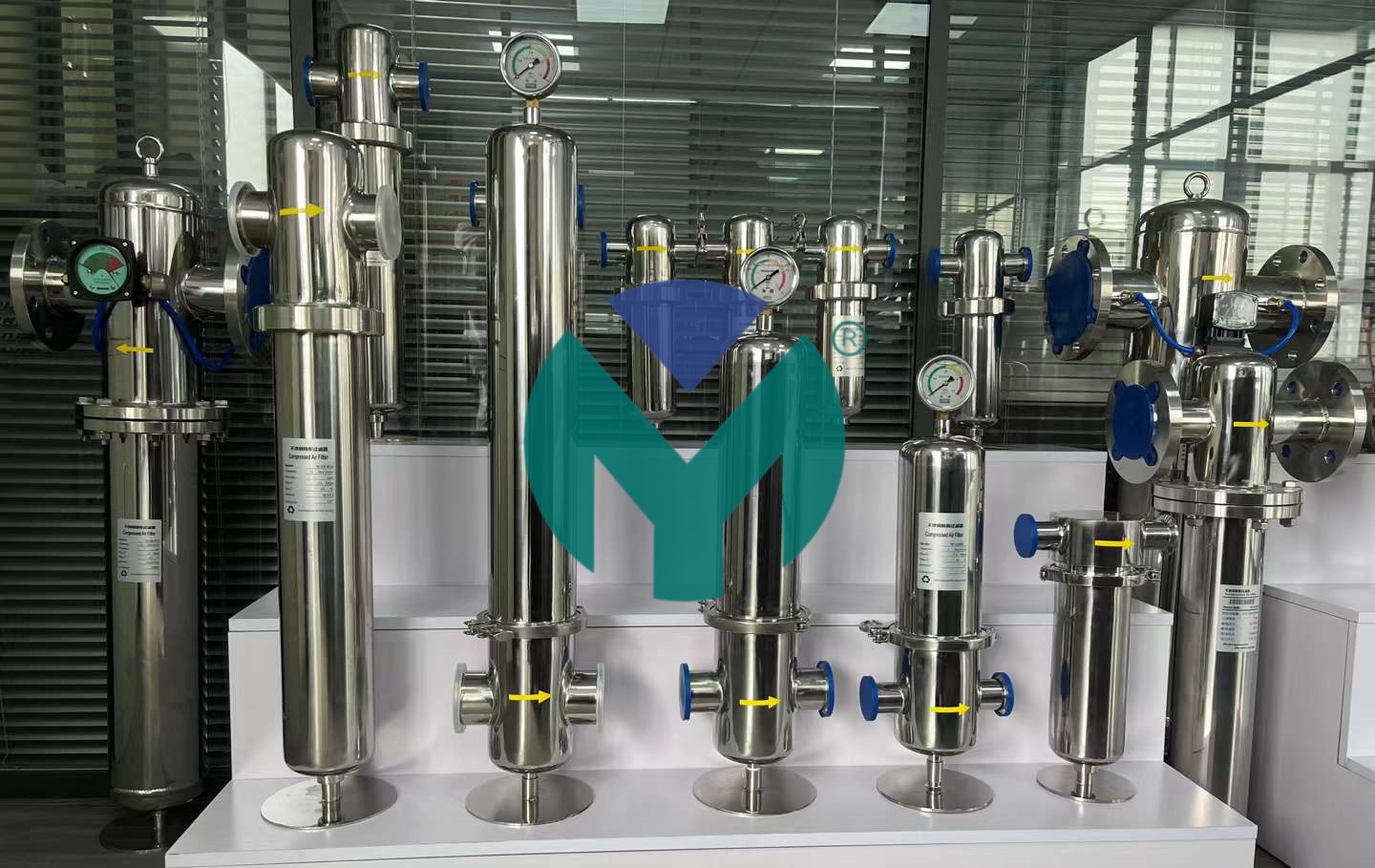
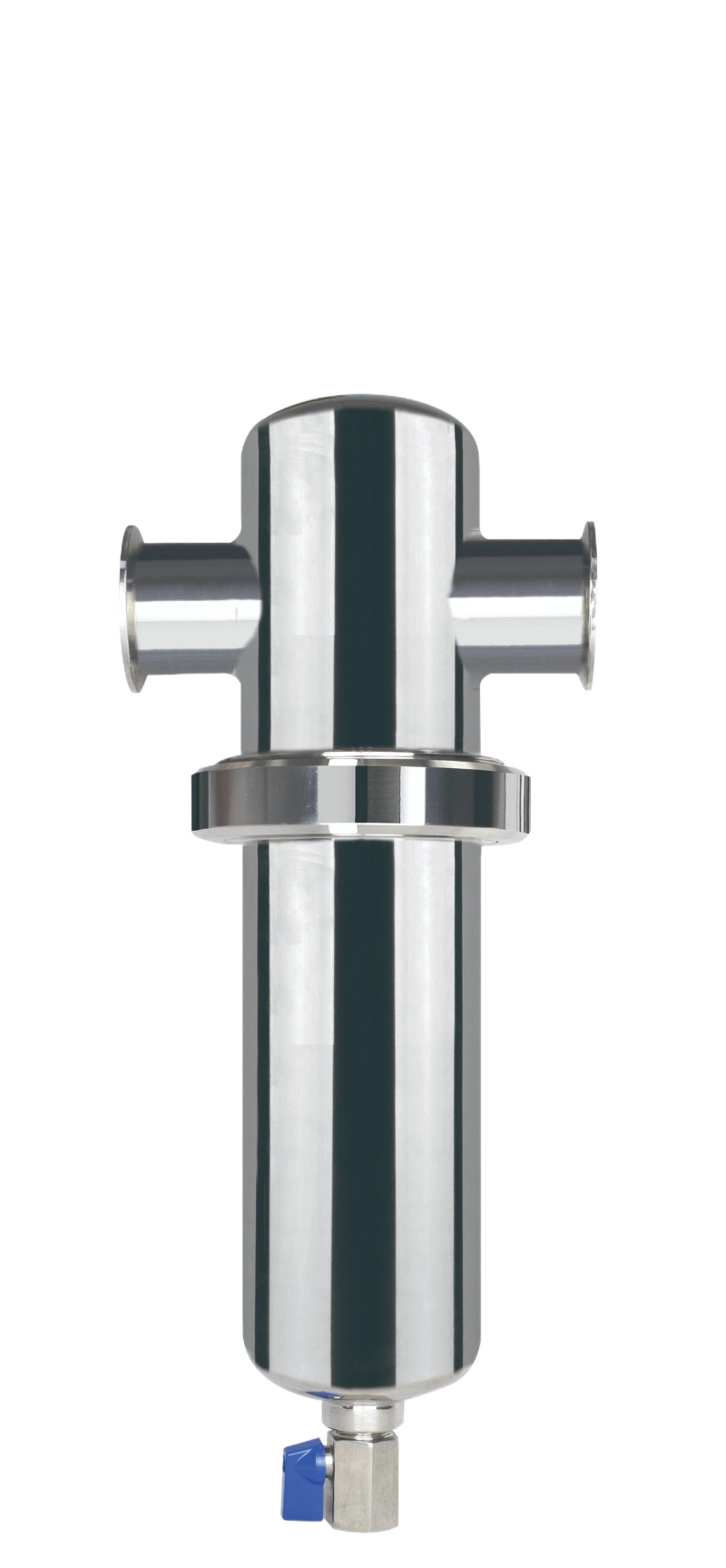
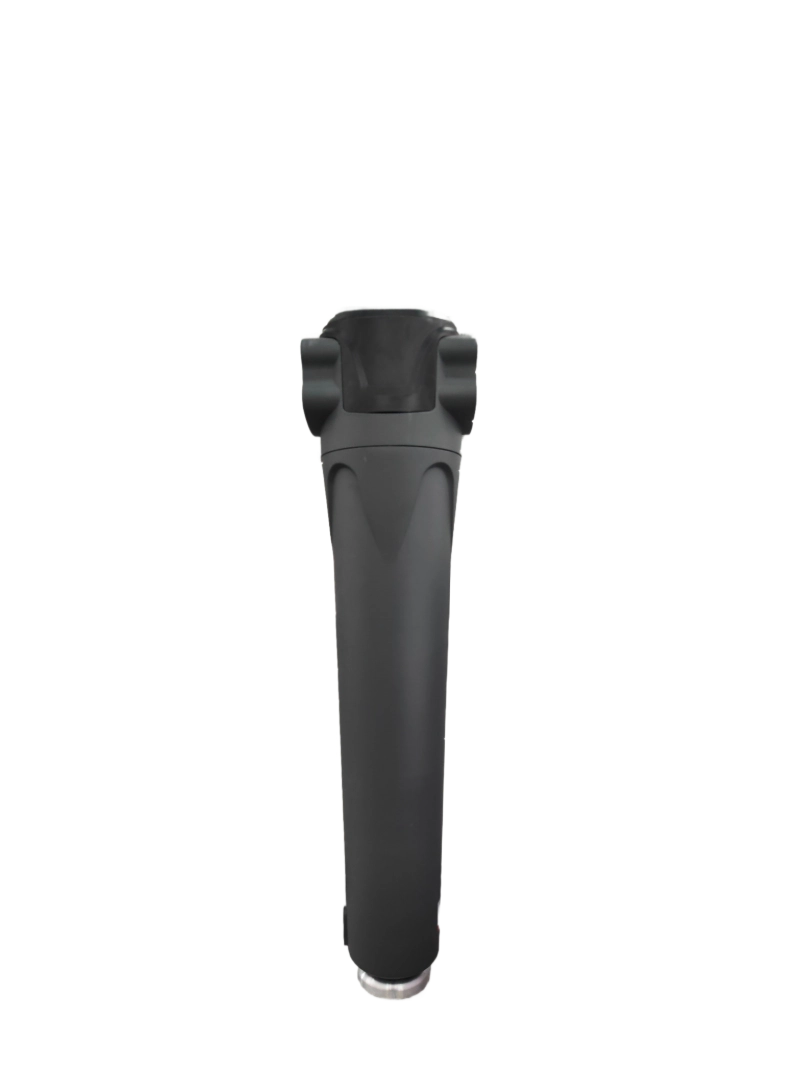
Wuxi Yuanmei's stainless steel flange filters feature an all-stainless steel construction using 304 or 316L materials. Their optimized internal flow channel design helps reduce pressure loss, while the filtration configuration addresses oil mist, liquid water, dust, and other contaminants in compressed air.
Filtration Precision and Filter Grade Selection
Different production processes require different levels of compressed air cleanliness. Installing an unnecessarily fine filter may increase maintenance costs, while insufficient filtration can expose downstream equipment to contamination. Therefore, buyers should match filtration grades to the required air quality and the type of contaminants that need to be removed.
Wuxi Yuanmei offers several filtration grades for different stages of compressed air purification.
Filter Grade | Filtration Accuracy | Primary Function |
|---|
Class C | 3 μm | Pre-filtration |
Class T | 1 μm | After-filtration |
Class A | 0.01 μm | Pipeline filtration |
Class F | 0.01 μm | Fine filtration |
Class H | 0.01 μm | Activated carbon filtration |
For applications requiring high cleanliness, 0.01 micron compressed air filtration can provide an important level of contaminant control. Nevertheless, filtration accuracy should not be confused with complete removal of every contaminant. Oil vapor, microorganisms, liquid moisture, and solid particles may require different treatment technologies. A suitable filtration arrangement should therefore consider the complete purification process.
Why Low Pressure Drop Matters for Operating Costs
Filtration efficiency is important, but energy consumption is another factor that industrial buyers should evaluate. Compressed air production requires considerable energy, and excessive pressure loss across filtration equipment can increase compressor loading or reduce the pressure available to downstream machinery.
A well-designed stainless steel flange filter should provide sufficient filtration performance while maintaining smooth airflow. Internal flow channel optimization helps reduce unnecessary resistance, supporting more efficient compressed air delivery.
When comparing products from different stainless steel filter manufacturers, procurement teams should request pressure drop data under rated flow conditions. They should also consider the relationship between filter element condition, airflow capacity, and maintenance intervals. This provides a more realistic basis for evaluating operating costs than the initial equipment price alone.
Flange Connections and Maintenance Considerations
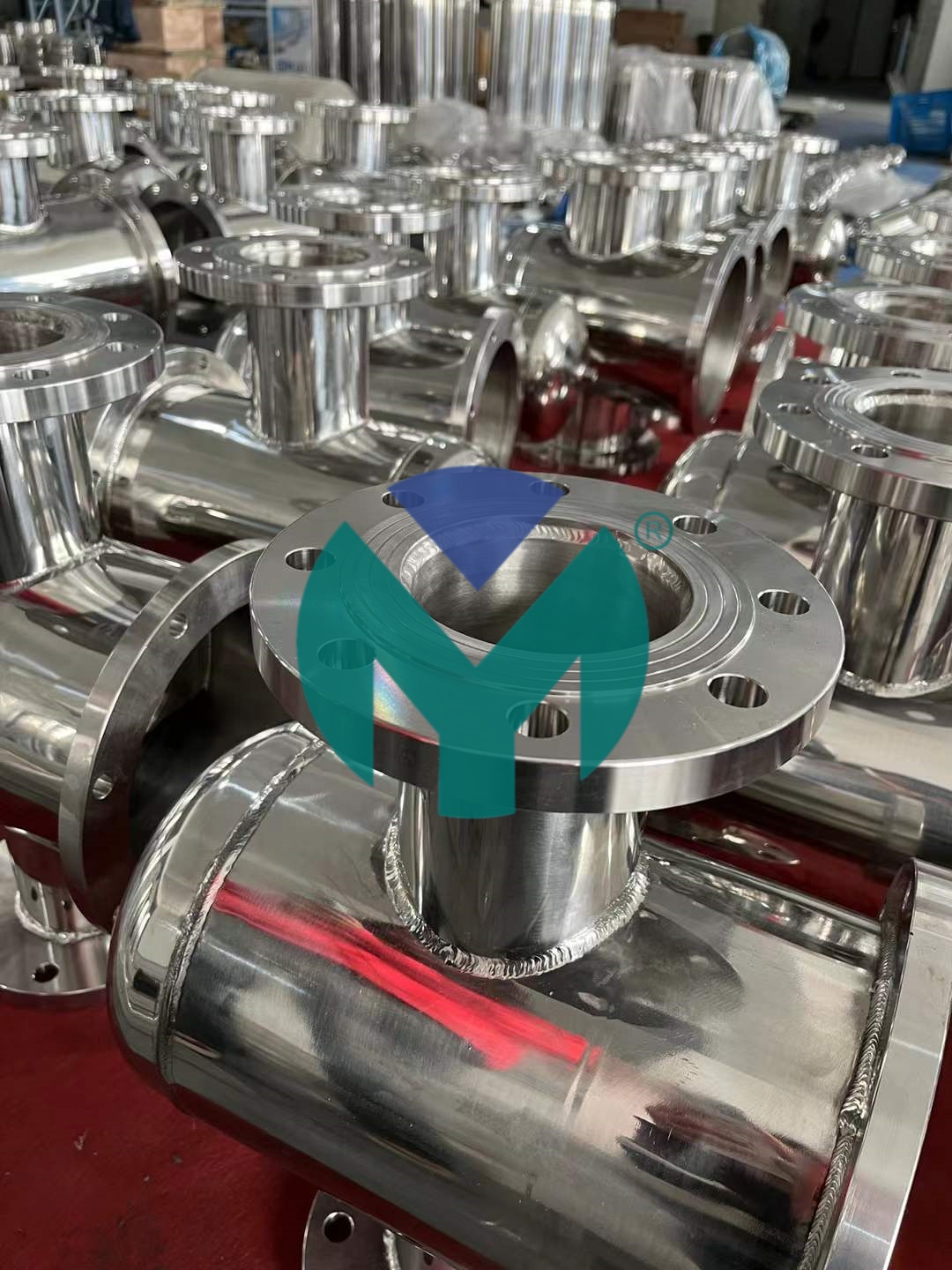
Connection compatibility is another important factor when selecting industrial stainless steel filter housings. Flange connections allow filters to be integrated into larger compressed air pipelines and are particularly useful in installations requiring stable mechanical connections and convenient equipment servicing.
Before purchasing, buyers should verify the nominal flange size, pressure rating, installation orientation, and compatibility with existing pipeline standards. Incorrect connection specifications can increase installation work and create avoidable leakage risks.
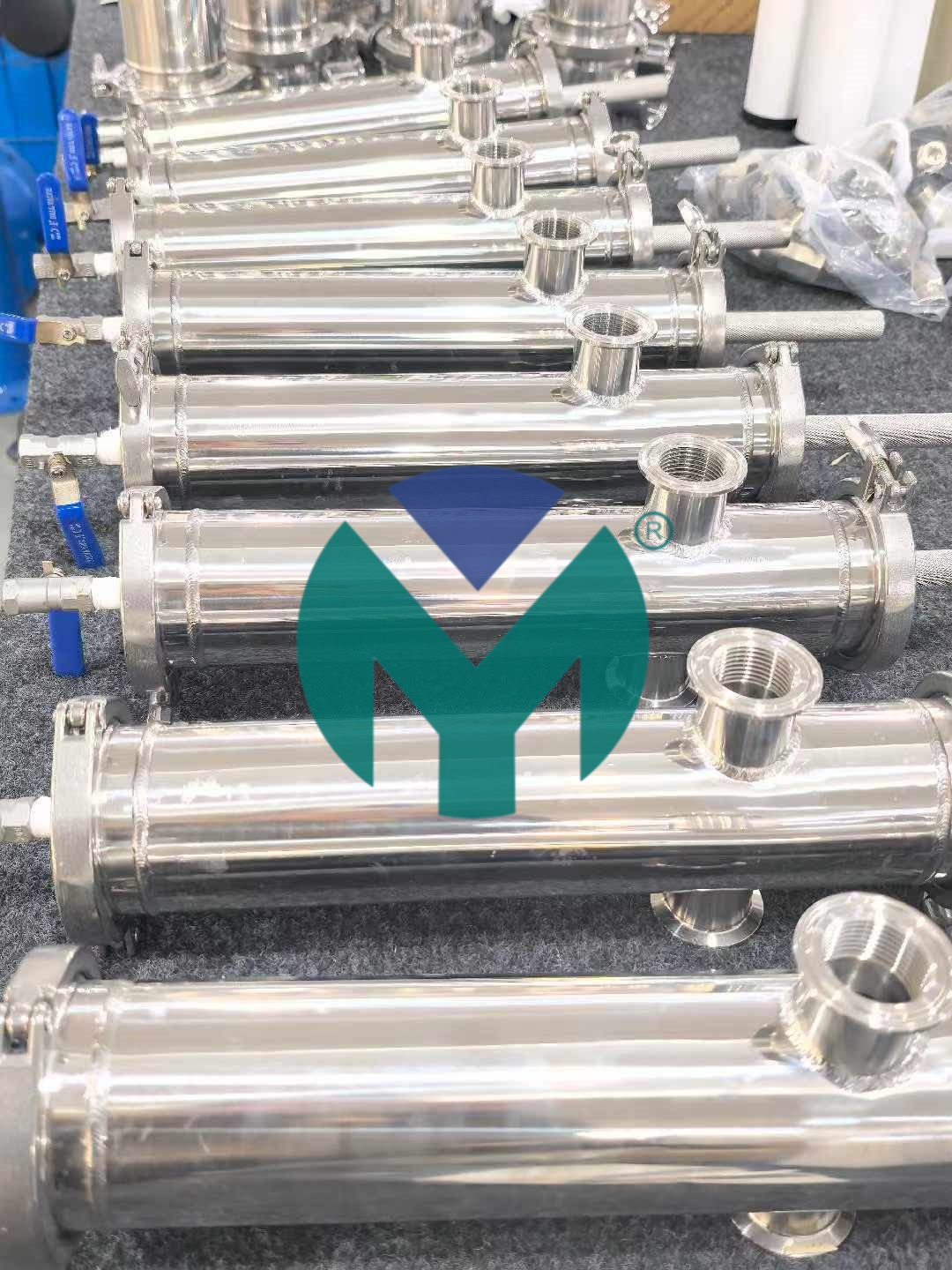
Maintenance design also deserves attention. Wuxi Yuanmei's stainless steel flange filter features a modular structure and quick-opening cover mechanism to simplify filter element replacement. Convenient access helps maintenance personnel inspect internal components, replace consumables, and reduce unnecessary downtime.
Applications Across Different Industrial Sectors
Stainless steel compressed air filters are used in industries where air cleanliness, material durability, and contamination prevention are important production considerations.
In food and beverage manufacturing, filtration helps control oil mist, moisture, and particles that may affect production equipment or air-contact processes. Pharmaceutical manufacturing places additional emphasis on material suitability, cleaning procedures, and validated air quality requirements. In electronic and semiconductor production, particulate contamination can interfere with precision manufacturing operations.
Chemical processing facilities may also require 316L stainless steel because of exposure to more corrosive environments. Meanwhile, general industrial facilities can benefit from 304 stainless steel housings that provide dependable corrosion resistance for routine compressed air purification.
Selecting the correct filter requires evaluating the actual process conditions rather than assuming that one material or filtration grade suits every application.
Choosing the Right Stainless Steel Filter Factory
For international buyers, selecting a manufacturer involves more than comparing product photographs and quotations. A qualified stainless steel filter factory should be able to explain material differences, provide technical documentation, and recommend suitable filtration configurations according to the intended application.
Procurement teams should pay particular attention to material verification, pressure-bearing capacity, filtration performance, flange compatibility, sealing materials, and replacement element availability. It is also important to confirm whether the manufacturer can support customized requirements and provide technical assistance during product selection.
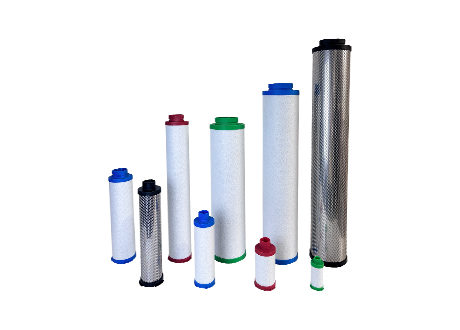
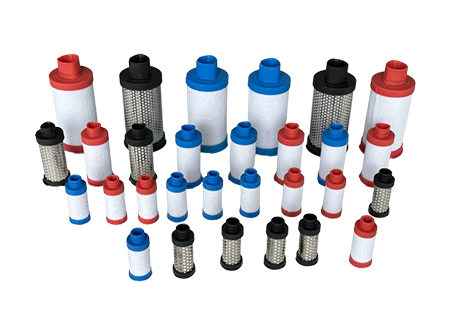
Wuxi Yuanmei focuses on industrial filtration and purification equipment, offering stainless steel filter products, replacement filter elements, and customized filtration solutions. With an emphasis on consistent product quality, efficient delivery, and application-oriented service, the company supports customers seeking dependable filtration equipment for different industrial environments.
Frequently Asked Questions
Is 304 or 316L better for stainless steel filter housings?
304 is suitable for many general industrial applications, while 316L offers improved resistance to chloride-related corrosion and certain aggressive environments. The final choice depends on the working medium and operating conditions.
Can stainless steel flange filters remove oil and water from compressed air?
Yes. With appropriately selected filter elements, these filters can separate oil mist, liquid water, dust, and other contaminants. Different filtration grades address different purification requirements.
Why choose a stainless steel flange filter instead of a carbon steel filter?
Stainless steel offers better corrosion resistance and helps reduce the risk of rust-related secondary contamination. It is particularly useful in applications where air cleanliness and housing durability are important.
What should buyers check before ordering from a stainless steel filter factory?
Buyers should verify housing material, operating pressure, filtration grade, flow capacity, flange dimensions, sealing materials, and replacement element availability. These details help ensure compatibility with the intended application.
Does Wuxi Yuanmei provide customized filtration solutions?
Wuxi Yuanmei focuses on industrial filtration products and customized purification solutions, supporting different customer requirements through product selection and technical communication.


 Join us
 After-sale service
 News