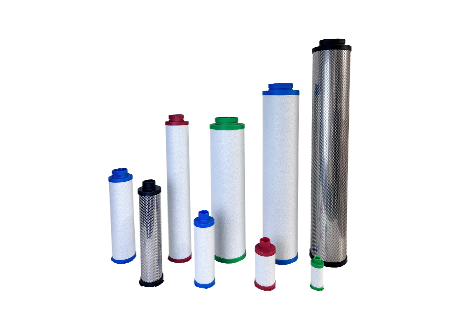
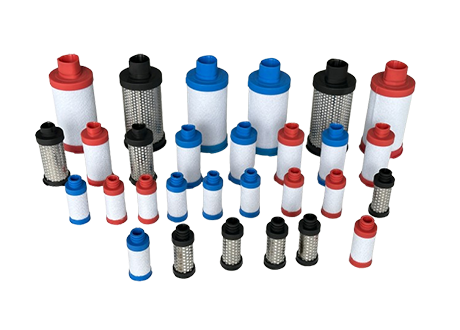
In many industrial processes where fluid purity directly impacts performance, durability, and safety, the choice of filtration equipment becomes a decisive factor. A stainless steel filter is widely recognized for its ability to maintain stable filtration efficiency under demanding conditions involving water, oil, and compressed air systems. Compared with conventional filtration materials, stainless steel structures provide a longer service life, improved contamination resistance, and consistent operational stability across variable pressure environments.
The growing demand for high-precision fluid control in sectors such as chemical processing, food production, electronics manufacturing, and hydraulic systems has driven the adoption of corrosion-resistant filtration solutions. Among them, stainless steel-based filter assemblies stand out due to their structural integrity and adaptability in multi-stage filtration architectures.
Engineering Principles of Stainless Steel Filter Performance
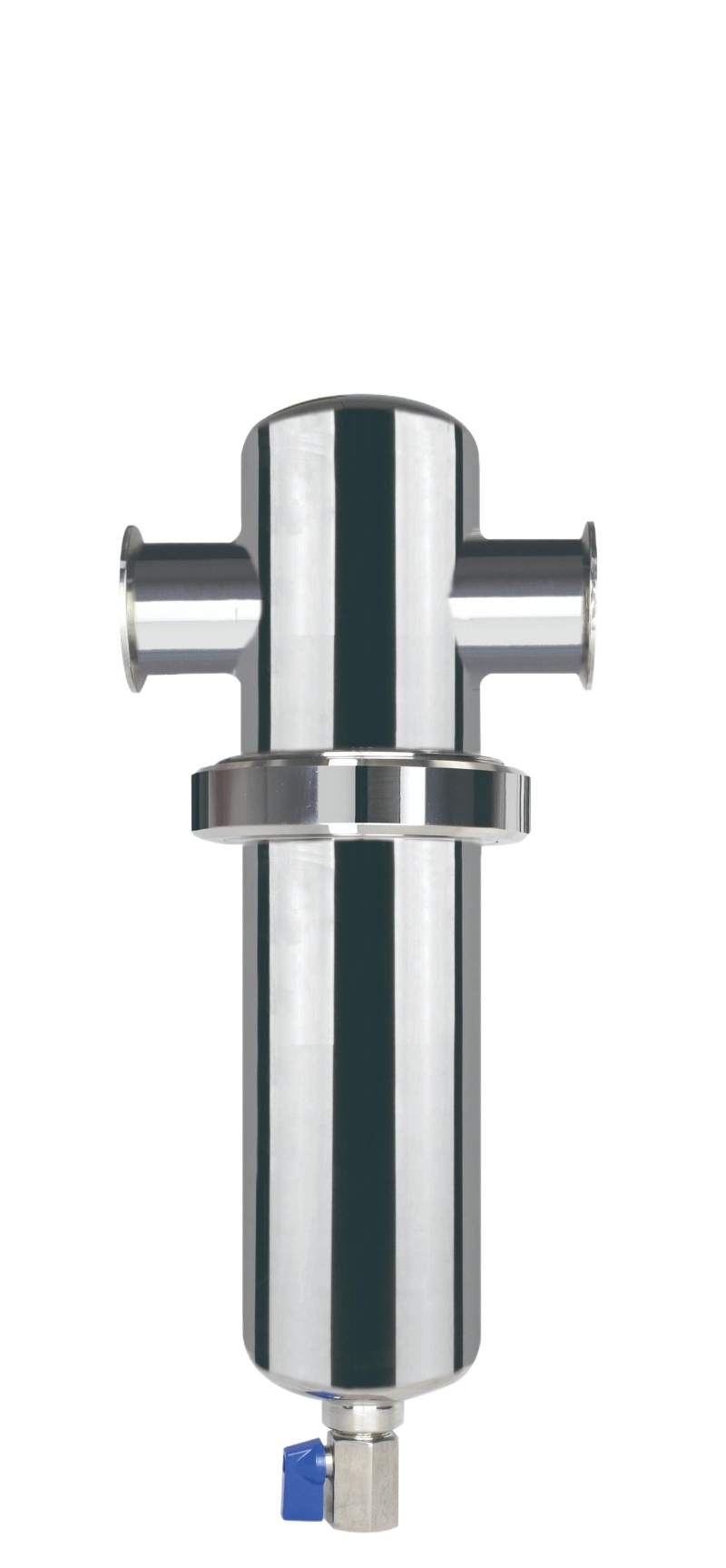
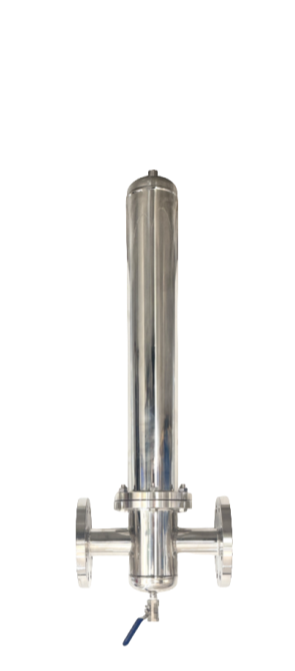
The core function of a stainless steel filter lies in its ability to physically separate contaminants through layered precision media housed within a rigid metallic structure. Unlike polymer or disposable housings, stainless steel maintains dimensional stability even under fluctuating pressure loads and elevated temperatures.
Inside the filtration chamber, fluid passes through graded filter elements that progressively reduce particle size. This staged approach ensures that large particles are captured first, followed by finer contaminants such as micro-oil droplets, suspended solids, and microscopic impurities. The result is a controlled flow of purified liquid or gas with minimal pressure fluctuation.
The internal flow path is engineered to reduce turbulence and maintain laminar distribution, which helps preserve filtration accuracy while lowering energy consumption. This balance between efficiency and resistance control is essential in continuous industrial operations.
Stainless Steel Filter Classification and Filtration Accuracy
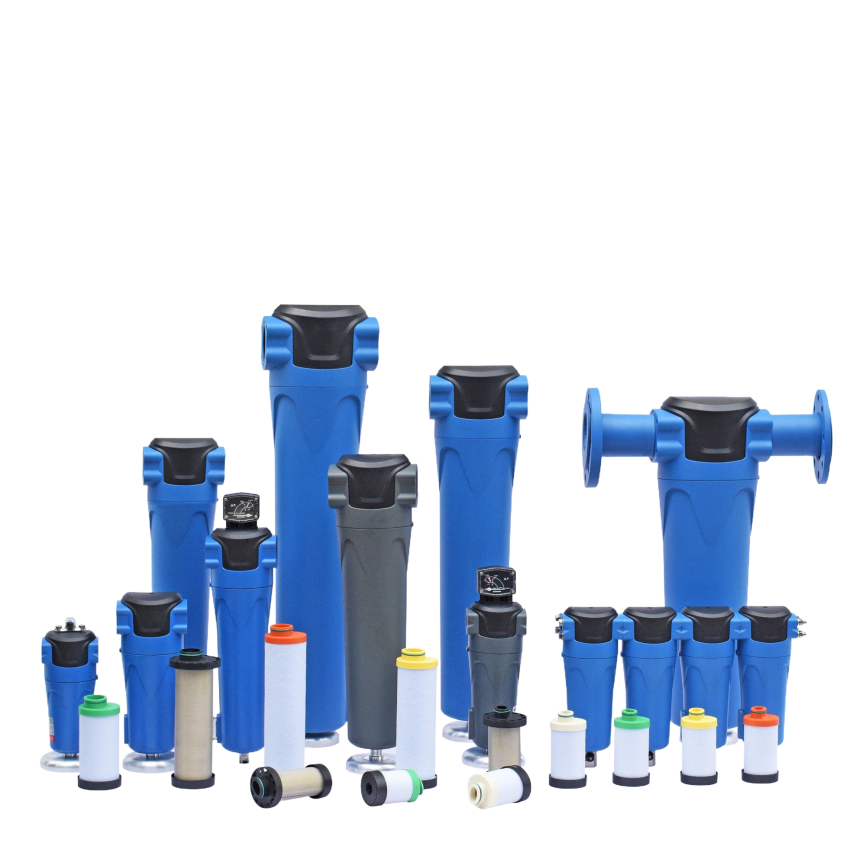
Different industrial applications require varying degrees of filtration precision. A stainless steel filter system is typically categorized based on filtration grades that define particle retention capability:
| Filtration Class | Precision Level | Functional Role |
|---|
| Class C | 3 micron | Pre-filtration for bulk separation |
| Class T | 1 micron | Intermediate purification |
| Class A | 0.01 micron | Line-level fine filtration |
| Class F | 0.01 micron | Ultra-fine contaminant removal |
| Class H | 0.01 micron | Activated carbon adsorption stage |
This structured classification allows engineers to design multi-stage purification systems tailored to specific process requirements. In high-purity environments, the final filtration stage often reaches sub-micron accuracy, ensuring that both particulate matter and oil mist are effectively removed.
Material Integrity and Corrosion Resistance in Stainless Steel Filter Design
One of the defining advantages of a stainless steel filter is its material composition. Typically constructed from 304 or 316L stainless steel, these filters offer exceptional resistance to corrosion, oxidation, and chemical degradation.
Unlike carbon steel alternatives, stainless steel eliminates the risk of rust contamination entering the fluid stream. This characteristic is especially critical in applications involving sensitive media such as pharmaceutical liquids, edible oils, or precision hydraulic fluids.
The robust mechanical strength of stainless steel also ensures structural reliability under high-pressure operation. Even under prolonged exposure to aggressive chemicals or humid environments, the filter housing retains its integrity, significantly reducing maintenance frequency and operational risk.
Flow Efficiency and Energy Optimization
In industrial filtration systems, pressure drop is a key performance indicator. A well-designed stainless steel filter minimizes resistance while maintaining high filtration accuracy. Optimized internal geometry ensures that fluid distribution remains uniform, reducing localized pressure buildup.
This efficiency directly translates into reduced energy consumption for compressors and pumping systems. By lowering pressure loss across the filtration unit, overall operational costs can be significantly reduced without compromising output quality.
Additionally, the smooth internal surface of stainless steel prevents particle adhesion and scaling, which further enhances long-term flow stability.
Maintenance Efficiency and Operational Continuity
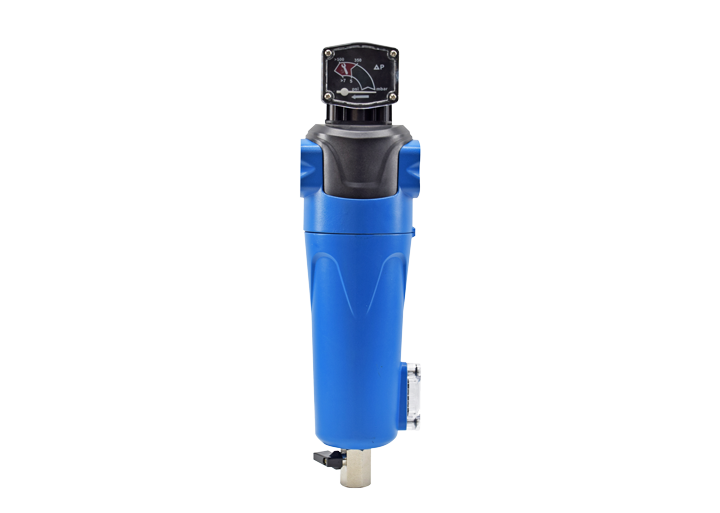
Maintenance downtime is a critical concern in continuous production environments. A modern stainless steel filter assembly is designed with modular components that simplify servicing procedures. Quick-opening housings allow operators to replace filter elements rapidly without specialized tools.
This design reduces system interruption and ensures consistent production flow. Filter cartridges can be exchanged within minutes, minimizing labor requirements and improving operational efficiency.
Furthermore, the reusable nature of stainless steel components contributes to long-term cost savings, as only the filter media requires periodic replacement rather than the entire housing structure.
Industrial Applications of Stainless Steel Filter Systems
The versatility of a stainless steel filter makes it suitable for a wide range of industrial environments where fluid purity is essential. These applications include:
High-pressure water purification systems
Hydraulic oil circulation and protection circuits
Chemical processing and solvent recovery systems
Food and beverage fluid clarification lines
Precision air and gas compression systems
Electronics and semiconductor manufacturing environments
Each of these sectors demands strict control over particulate contamination, moisture content, and chemical purity. Stainless steel filtration systems provide a stable foundation for achieving these requirements consistently.
Compliance Standards and Quality Assurance
Industrial filtration equipment must comply with internationally recognized standards to ensure reliability and safety. A high-quality stainless steel filter system is typically engineered to meet ISO air and fluid quality standards, as well as CE and RoHS certification requirements.
These certifications validate that the filter not only performs effectively but also adheres to environmental and operational safety guidelines. For industries where product purity directly affects regulatory compliance, such standards are essential.
Wuxi Yuanmei, as a professional ss filter manufacturer, focuses on producing filtration systems that align with global engineering expectations and quality benchmarks. The emphasis on precision manufacturing ensures consistency across production batches.
Structural Advantages from a Stainless Steel Filter Factory Perspective
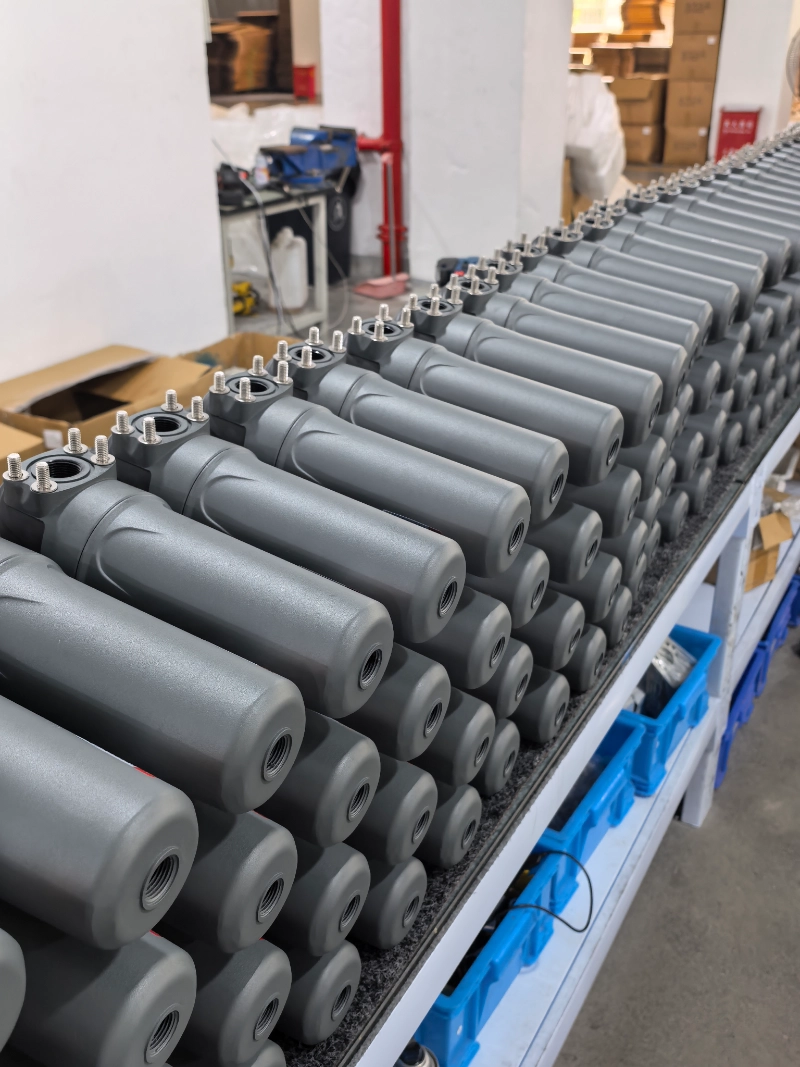
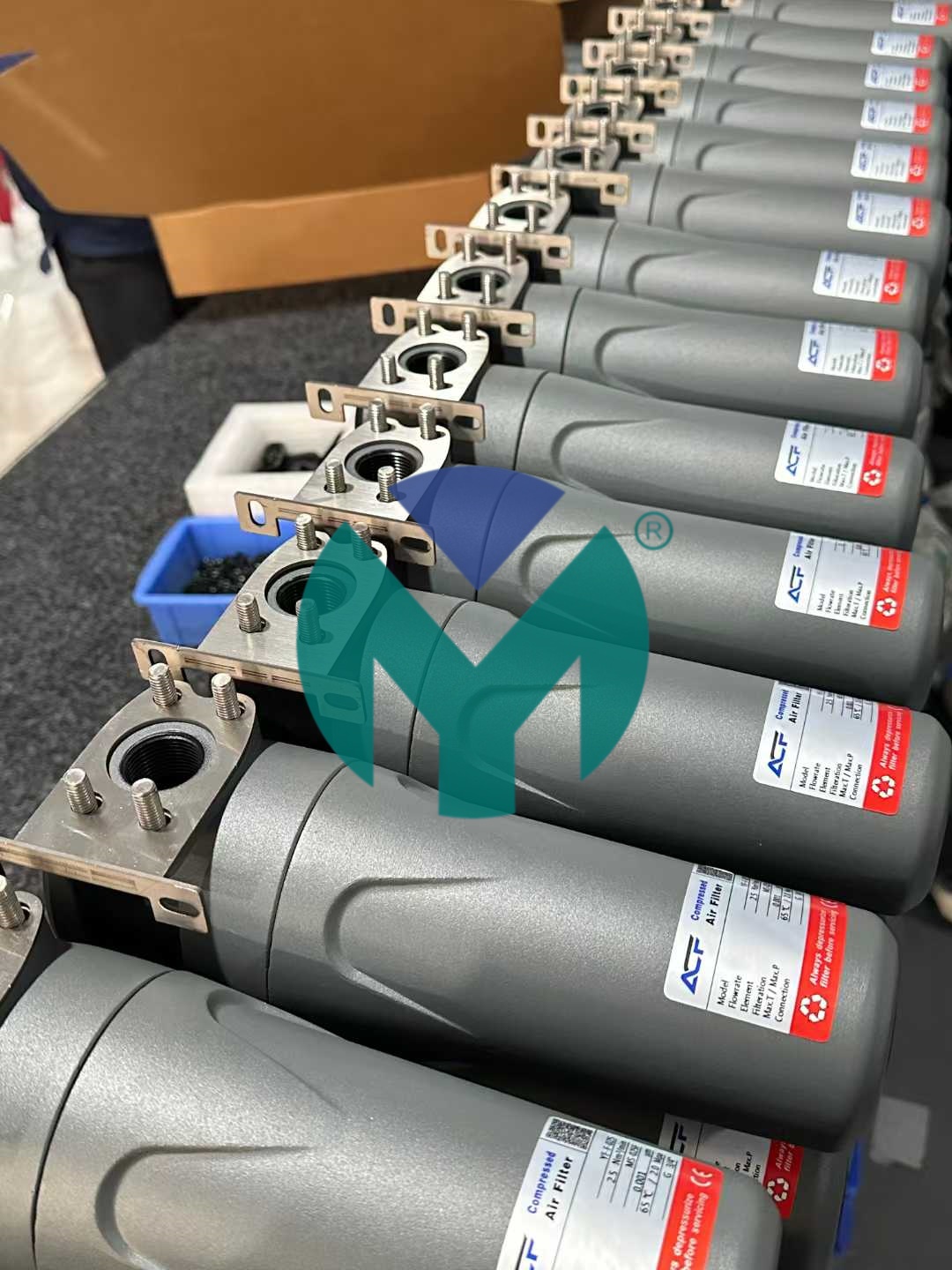
From a production standpoint, a modern stainless steel filter factory integrates advanced welding techniques, precision machining, and strict quality inspection protocols. Each component is manufactured to maintain tight dimensional tolerances, ensuring seamless assembly and leak-free operation.
The fabrication process prioritizes structural uniformity and surface finishing quality. Internal polishing reduces friction losses and prevents contaminant accumulation, while external reinforcement improves pressure resistance.
By controlling every stage of production—from raw material selection to final assembly—manufacturers like Wuxi Yuanmei ensure that each filtration unit delivers consistent performance across demanding industrial conditions.
System Integration and Long-Term Operational Value
A stainless steel filter is not an isolated component but an integral part of a broader fluid management system. Its performance directly influences downstream equipment lifespan, product quality, and process stability.
When properly integrated into multi-stage filtration networks, it enhances overall system efficiency by reducing contaminant load and stabilizing flow characteristics. This contributes to fewer equipment failures, lower maintenance costs, and improved production consistency.
The long-term value of stainless steel filtration lies not only in its durability but also in its ability to maintain stable performance over extended operational cycles without degradation in filtration accuracy.
FAQ
Q1: Why choose a stainless steel filter over traditional filter housings?
A stainless steel filter offers superior corrosion resistance, longer service life, and better structural stability under high pressure compared to conventional materials.
Q2: What industries benefit most from stainless steel filtration systems?
Industries such as chemical processing, food production, electronics manufacturing, hydraulic systems, and compressed air treatment benefit significantly from stainless steel filtration.
Q3: How often should filter elements be replaced?
Replacement frequency depends on operating conditions and contamination levels, but modular designs allow quick and efficient maintenance with minimal downtime.
Q4: Can stainless steel filters handle both water and oil applications?
Yes, they are designed for multi-fluid compatibility, including water, hydraulic oil, lubricants, and compressed air systems.
Q5: What makes Wuxi Yuanmei a reliable supplier?
Wuxi Yuanmei combines precision engineering, strict quality control, and industrial-grade manufacturing capability as a dedicated ss filter manufacturer and stainless steel filter factory.


 Join us
 After-sale service
 News
News