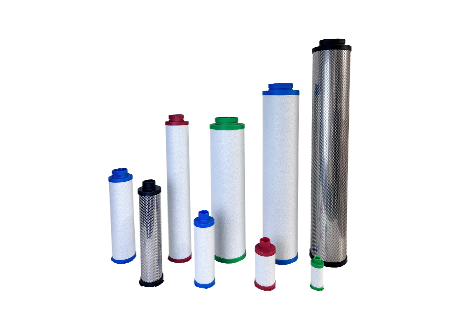
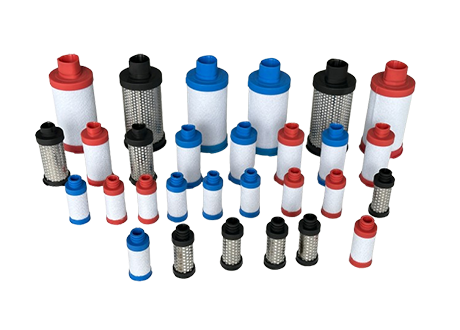
Compressed air systems are essential for modern manufacturing plants, powering everything from pneumatic tools to automated production lines. However, these systems can be a hidden source of energy waste, maintenance costs, and production inefficiencies. Implementing effective compressed air filters not only ensures clean, reliable air but also reduces operational costs across the plant. In this blog post, Wuxi Yuanmei, as high performance custom made air filters wholesaler, will share the advantages of cost-saving compressed air filters solutions for manufacturing.
The Importance of Compressed Air Quality in Manufacturing
Clean, dry, and oil-free compressed air is critical for both operational efficiency and product quality. Contaminants such as dust, moisture, oil, and micro-particles can cause equipment damage, reduce tool life, and compromise sensitive manufacturing processes. For industries like automotive, electronics, and food processing, poor air quality can even lead to product recalls or regulatory non-compliance.
Using cost-saving compressed air filters solutions is the first step toward reducing maintenance expenses and preventing unplanned downtime. High-efficiency filters capture contaminants before they enter the system, prolonging the lifespan of air compressors and downstream equipment.
Types of Compressed Air Filters for Manufacturing Plants
Selecting the right filter type is crucial for cost-effective operations. Here are the main categories:
Particulate Filters
Particulate filters remove solid particles such as dust, rust, and metal shavings. They are essential for maintaining clean air in production areas where precision tools and machinery are sensitive to contaminants. Modern particulate filters can achieve filtration down to 0.01 microns, making them ideal for high-quality manufacturing environments.
Coalescing Filters
Coalescing filters are designed to remove liquid aerosols, including oil and water, from compressed air streams. These filters are particularly valuable in plants using lubricated air compressors, as they prevent oil contamination in pneumatic tools, spray painting systems, and instrumentation.
Activated Carbon Filters
Activated carbon filters eliminate odors, oil vapors, and volatile organic compounds (VOCs). This is especially important for plants that require food-grade air or for processes where chemical contamination can affect product quality. These filters also enhance workplace safety by reducing airborne contaminants.
Combination Filters
Some plants benefit from multi-stage filters that combine particulate, coalescing, and carbon filtration. These integrated systems provide comprehensive protection and reduce the need for frequent filter replacements, contributing to long-term cost savings.
Assessing Manufacturing Plant Needs for Air Filtration
Before investing in compressed air filters solutions, a plant should conduct a detailed air audit:
Air Quality Standards: Determine the required ISO 8573-1 class for your process. Different applications, such as food packaging, electronics, or medical device production, have specific air quality standards.
Compressor Type: Understand whether the plant uses oil-lubricated or oil-free compressors, as this impacts filter selection.
Air Flow Requirements: Calculate average and peak airflow rates to size filters correctly. Undersized filters can increase pressure drops, leading to higher energy costs.
Environmental Conditions: Consider temperature, humidity, and dust levels in the facility, which influence filter performance and maintenance frequency.
A detailed assessment ensures that the chosen compressed air filters solutions deliver both efficiency and cost savings.
Energy Efficiency and Cost Reduction with Compressed Air Filters
Compressed air can account for up to 30% of a plant's electricity consumption. Pressure drops across filters increase energy use, so choosing high-efficiency filters is essential. Features to look for include:
Low Pressure Drop Designs: Filters with optimized flow channels reduce energy losses.
Automatic Drain Systems: Proper moisture management prevents water accumulation, which can damage compressors and downstream equipment.
Filter Monitoring Indicators: Visual or electronic indicators help detect saturation before it affects system efficiency.
Implementing energy-efficient filters can reduce electricity costs by 10–20%, translating into significant annual savings for medium-to-large manufacturing plants.
Maintenance Strategies for Long-Term Savings
Even the best filters require proper maintenance. Key strategies include:
Scheduled Replacement: Replace filters according to manufacturer recommendations or when differential pressure thresholds are reached.
Cleaning and Reuse: Some industrial filters are washable and reusable, lowering long-term costs.
System Audits: Conduct regular inspections to identify leaks, pressure drops, or contamination upstream of the filters.
Training Staff: Ensure maintenance teams understand filter types, installation procedures, and monitoring practices.
Effective maintenance of compressed air filters solutions extends equipment lifespan, reduces downtime, and prevents unplanned repair costs.
Innovations in Compressed Air Filters Technology
Modern filters incorporate innovative materials and design improvements that enhance performance:
Nano-fiber Media: Improves particle capture efficiency while maintaining low pressure drop.
High-Capacity Coalescing Filters: Handle larger airflow without frequent replacements.
Smart Filter Systems: Sensors provide real-time monitoring of air quality, pressure drop, and filter saturation, allowing predictive maintenance.
Adopting these technologies can make a substantial difference in cost-saving compressed air filters solutions, especially for plants with high air demand or sensitive production processes.
Industry-Specific Applications
Automotive Manufacturing
Compressed air powers assembly tools, robotic arms, and paint booths. Coalescing filters remove oil aerosols to ensure paint quality and prevent machinery corrosion.
Food and Beverage
Activated carbon and particulate filters ensure food-grade air for packaging and bottling lines. Compliance with ISO 8573-1 and HACCP standards is critical.
Electronics and Semiconductors
High-purity compressed air is essential to prevent dust or oil contamination that can damage sensitive components. Multi-stage filtration solutions are often deployed.
Metalworking and Machining
Particulate filters protect pneumatic tools, spray nozzles, and measurement devices from metal dust and shavings, reducing tool replacement costs and downtime.
Choosing the Right Supplier for Compressed Air Filters Solutions
Selecting a reliable supplier ensures access to high-quality filters, technical support, and long-term maintenance assistance. When evaluating suppliers:
Verify ISO and industry certifications.
Look for customizable solutions that match plant-specific airflow and contamination requirements.
Assess after-sales support and availability of replacement elements.
Check references or case studies from similar manufacturing industries.
A strategic supplier partnership contributes to sustainable cost-saving results and minimizes operational risks.
Tips for Maximizing ROI with Compressed Air Filters
Integrate Filtration with Dryer Systems: Pair filters with compressed air dryers to remove moisture efficiently.
Monitor Pressure Drop Continuously: Digital indicators help detect issues early, preventing unnecessary energy consumption.
Schedule Preventive Maintenance During Low Production: Minimize downtime by performing maintenance during planned slow periods.
Document and Track Filter Performance: Data-driven decisions improve selection and replacement schedules.
Consider Modular Filtration Units: Flexible configurations allow scalability as plant demands increase.
These strategies ensure that compressed air filters solutions provide measurable cost savings while maintaining high air quality standards.
Conclusion
Investing in cost-saving compressed air filters solutions is not just a matter of regulatory compliance or equipment protection—it’s a strategic approach to reducing operational costs, increasing energy efficiency, and ensuring consistent product quality. By selecting the right filter types, assessing plant-specific requirements, maintaining filters properly, and adopting innovative technologies, manufacturing plants can achieve substantial long-term savings.
For plant managers, engineers, and procurement professionals, a comprehensive approach to compressed air filtration translates directly into reduced downtime, lower energy bills, and improved production reliability.
By focusing on efficiency, maintenance, and industry-specific applications, manufacturing plants can transform their compressed air systems from hidden cost centers into reliable, cost-effective assets.



 Join us
 After-sale service
 News
News