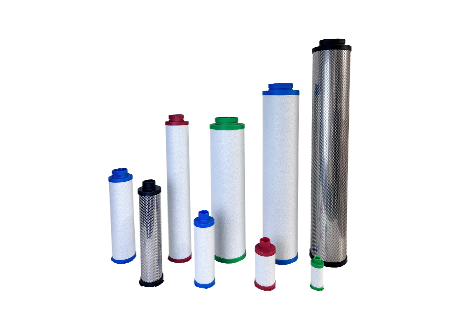
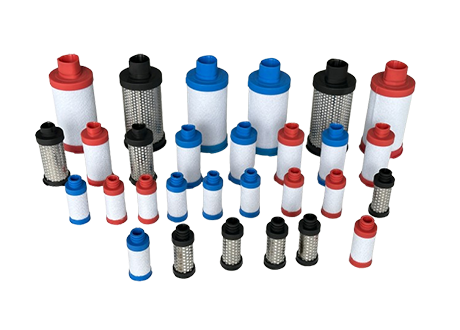
Why Pressure and Flow Must Be Matched in Filtration
Selecting a high pressure filter system is not simply a matter of choosing a housing with a higher pressure rating. Pressure and flow directly influence filtration efficiency, pressure drop, element service life, and the stability of downstream equipment. A filter that performs well at one operating condition may create excessive resistance when the flow rate increases or when the working pressure changes.
For this reason, filter selection should begin with the actual operating conditions rather than the nominal specifications of the equipment. Working pressure, maximum pressure, flow demand, fluid characteristics, filtration precision, temperature, and allowable pressure drop should all be considered together. This approach helps ensure that the selected filter can maintain stable performance without creating unnecessary energy losses.
How a High Pressure Filter Handles Different Operating Conditions
A high pressure filter is designed to remove particles, oil aerosols, moisture, or other contaminants while maintaining mechanical integrity under elevated pressure. The housing must withstand the pressure generated by the compressed medium, while the filter element needs to maintain its structure as contaminants accumulate.
Pressure alone, however, does not determine filtration performance. Flow velocity also affects the behavior of the medium inside the housing. If the flow is too high for the available filtration area, the pressure drop can increase rapidly. If the filter is oversized without a clear reason, the initial investment and replacement costs may become unnecessarily high.
A practical selection therefore requires a balance between pressure capacity and usable flow capacity. The filter should have sufficient structural strength for the operating pressure while providing enough effective filtration area for the required flow rate.
Pressure Rating Should Reflect Real Operating Pressure
The first step is to identify the normal working pressure and the highest pressure that may occur during operation. The selected housing should not merely match the normal pressure; it should provide an appropriate safety margin for pressure fluctuations and operating conditions.
Temperature should also be considered because elevated temperatures can influence material strength, seal performance, and the properties of the compressed medium. In demanding applications, housing material, sealing material, connection design, and internal construction should be evaluated as a complete assembly rather than as separate components.
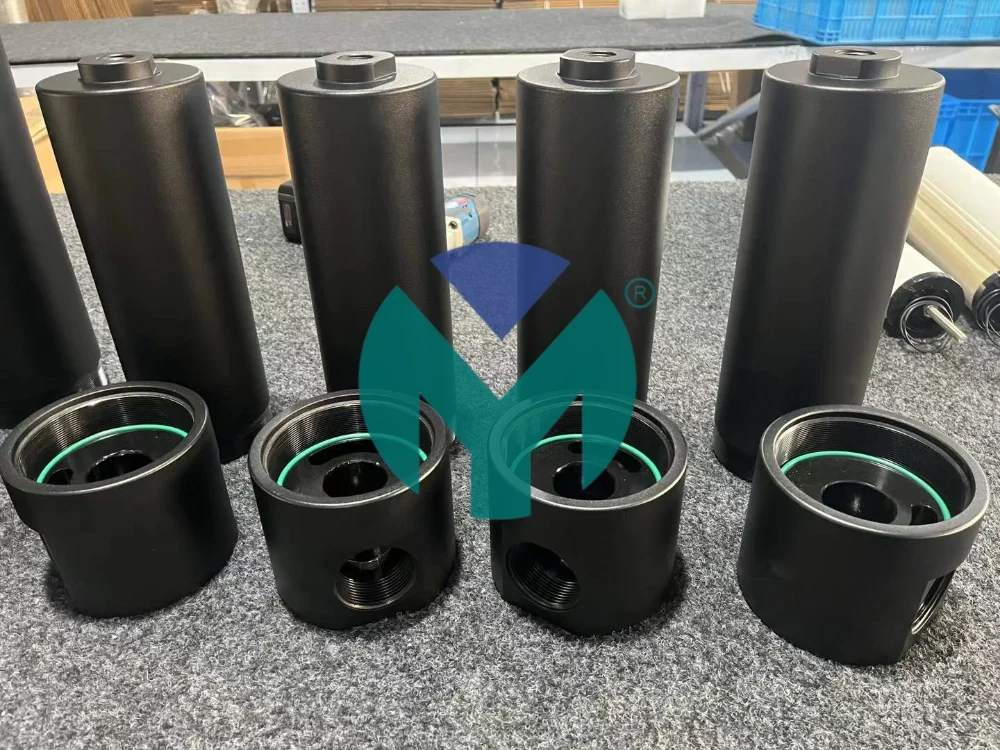
Flow Rate Determines the Required Filtration Capacity
Flow rate is one of the most important factors when sizing an industrial high pressure filter. A filter element needs adequate surface area to allow the required volume of air or gas to pass through without excessive resistance. When the actual flow exceeds the recommended capacity, differential pressure may rise and filtration performance can become less stable.
The relationship between flow and pressure drop is especially important. As flow increases, the resistance across the filter generally increases as well. Therefore, selecting a filter based only on pipe diameter or connection size can produce inaccurate results.
| Selection Factor | What to Check | Why It Matters |
|---|
| Working pressure | Normal and peak pressure | Prevents pressure-related damage |
| Flow rate | Average and maximum demand | Determines filtration capacity |
| Pressure drop | Initial and allowable differential pressure | Controls energy loss |
| Filtration rating | Required particle or oil removal | Protects downstream equipment |
| Temperature | Normal and peak temperature | Influences seals and materials |
| Fluid compatibility | Air, gas, or process medium | Prevents material degradation |
| Maintenance | Element replacement accessibility | Supports long-term operation |
Managing Pressure Drop in High Pressure Filtration
Pressure drop is often overlooked during initial procurement because a filter may appear suitable based on its pressure rating alone. In actual operation, however, excessive differential pressure can increase compressor workload and reduce the efficiency of the overall compressed air installation.
A well-selected high pressure air filter should provide the required filtration precision while keeping resistance within an acceptable range. Filter media, pleat or fiber structure, effective filtration area, housing geometry, and contaminant loading all influence pressure loss.
As the element captures contaminants, its resistance normally increases. Monitoring differential pressure can therefore provide useful information about element condition. A gradual increase is expected, while an unusually rapid rise may indicate excessive contamination, an undersized filter, unsuitable media, or abnormal operating conditions.
Choosing Filtration Precision Without Over-Filtration
Another important part of high pressure filter selection is determining how clean the compressed medium actually needs to be. Selecting an extremely fine filtration rating for every application may increase pressure loss and maintenance requirements without providing meaningful operational benefits.
The filtration level should instead correspond to the sensitivity of downstream equipment and the required air or gas quality. Precision pneumatic components, instrumentation, pharmaceutical processing, food production, and electronics manufacturing may require tighter contamination control than general industrial applications.
For this reason, high pressure compressed air filtration should be designed around the final application rather than filtration precision alone. The objective is to remove the contaminants that create a genuine operational risk while maintaining appropriate flow and pressure characteristics.
Consider Contaminant Loading and Element Life
Two filters with similar nominal filtration ratings can behave differently during actual operation because their media structures and dirt-holding capacities are not identical. Contaminant concentration, particle characteristics, oil content, and moisture levels can all influence how quickly the element becomes loaded.
A suitable filter therefore needs to provide not only initial filtration performance but also stable operation as contamination accumulates. This is particularly important in continuous-duty applications where frequent element replacement can increase maintenance costs and interrupt production.
Matching Filter Connections With Pipeline Requirements
Connection design is another consideration when integrating a high pressure filter system into an existing pipeline. The connection must be compatible with the pipeline size, pressure conditions, installation direction, available space, and maintenance requirements.
Poorly matched connections can introduce unnecessary flow resistance or make element replacement difficult. Installation space should be considered before purchase, especially where filters are positioned close to valves, compressors, receivers, or other treatment equipment.
The filter should also be installed in a position that allows safe inspection and maintenance. Proper drainage and condensate management may be required when the compressed medium contains moisture or liquid contaminants.
A Practical Selection Process for Industrial Applications
A structured selection process can reduce the risk of choosing a filter based on incomplete information. Start by recording the normal working pressure and maximum operating pressure, followed by the average and peak flow rate. Next, identify the required filtration precision and the type of contaminants that must be removed.
The next stage is to evaluate allowable pressure drop and expected element loading. Material compatibility and temperature should then be checked, followed by connection requirements and maintenance accessibility. This sequence makes it easier to compare different filtration solutions on equivalent operating conditions.
For demanding applications, technical selection should also consider actual operating fluctuations rather than relying exclusively on ideal laboratory conditions. A filter that has sufficient capacity under average flow may not perform equally well during peak demand.
Why Correct Sizing Improves Long-Term Performance
Correctly sizing a high pressure filter helps create a better balance between filtration quality, energy consumption, maintenance frequency, and equipment protection. An undersized filter may experience excessive pressure drop and rapid contamination loading, while an unnecessarily oversized unit can increase purchase and maintenance costs.
Wuxi Yuanmei focuses on filtration solutions for demanding industrial environments where pressure resistance, contamination control, and stable flow are closely connected. Its filtration technology includes high-pressure applications and precision compressed air treatment, with product development supported by testing and quality-control capabilities.
The most effective selection is therefore not necessarily the largest or finest filter available. It is the filter that provides adequate pressure capacity, sufficient flow performance, appropriate filtration precision, compatible materials, and manageable pressure loss for the intended operating conditions.
FAQ
What is the most important factor when selecting a high pressure filter?
Working pressure and flow rate are fundamental starting points. They determine whether the filter can operate safely while providing sufficient filtration capacity. Filtration precision, temperature, pressure drop, and fluid compatibility should then be evaluated according to the application.
Does higher pressure require a larger filter?
Not necessarily. A higher pressure requirement primarily affects housing strength, sealing, and connection design. Filter size is more directly related to flow rate and the desired pressure drop. Both factors should be evaluated together when selecting filtration equipment.
Why is pressure drop important?
Pressure drop represents the resistance created as the medium passes through the filter. Excessive pressure loss can increase compressor workload and reduce operating efficiency. Monitoring differential pressure also helps identify when a filter element is becoming heavily loaded.
How can filter service life be improved?
Service life depends on contaminant concentration, flow conditions, filtration media, effective filtration area, and maintenance practices. Proper sizing and selecting filtration precision according to the actual application can help prevent premature element loading.
What information should be provided to a filter manufacturer?
At minimum, provide working pressure, maximum pressure, flow rate, medium, temperature, required filtration precision, connection requirements, and expected operating conditions. More complete information allows the manufacturer to recommend a filtration solution that balances pressure capacity, flow performance, and long-term operating requirements.



 Join us
 After-sale service
 News
News