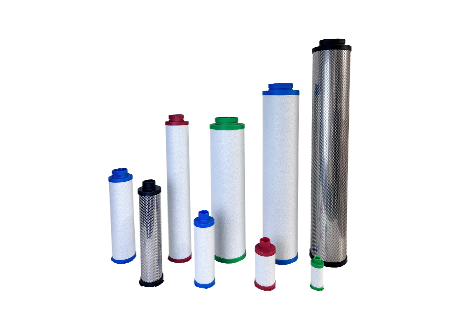
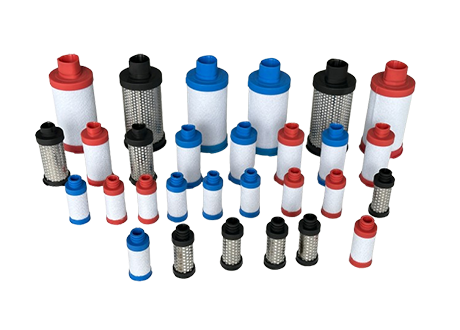
The Hidden Role of Clean Compressed Air in Extending Pneumatic Equipment Service Life
In modern manufacturing environments, pneumatic equipment plays a critical role in production efficiency, automation accuracy, and operational reliability. From assembly lines and packaging systems to CNC machinery and robotic handling units, compressed air powers countless industrial processes every day. While companies often focus on upgrading compressors, valves, cylinders, and actuators, one essential component is frequently overlooked: the compressed air precision filter.
The quality of compressed air directly affects the performance and lifespan of pneumatic equipment. Contaminants such as oil aerosols, water vapor, rust particles, dust, and microorganisms can circulate throughout an air distribution system and gradually damage critical components. A high-quality compressed air precision filter serves as the first line of defense against these harmful impurities, helping businesses reduce maintenance costs, minimize downtime, and extend equipment longevity.
For manufacturers seeking greater operational efficiency and lower total ownership costs, understanding how air filtration contributes to pneumatic system health is becoming increasingly important.
Why Air Quality Matters More Than Most Operators Realize
Many industrial facilities assume that compressed air generated by an air compressor is inherently clean. In reality, compressed air often contains significant levels of contamination before it reaches downstream equipment.
Atmospheric air naturally contains dust, pollen, moisture, hydrocarbons, and microscopic particles. During compression, these contaminants become concentrated. Additionally, compressor lubricants, pipeline corrosion, and condensate formation introduce further pollutants into the air supply.
Without adequate filtration, these contaminants travel through pneumatic circuits and accumulate inside valves, cylinders, pressure regulators, solenoid systems, and precision instruments. Over time, the resulting wear can lead to reduced efficiency, premature component failure, and costly production interruptions.
A properly designed compressed air precision filter removes contaminants before they can enter sensitive equipment, ensuring cleaner airflow and more stable operating conditions.
Common Airborne Contaminants That Damage Pneumatic Systems
Understanding the sources of contamination helps explain why precision filtration is essential.
Solid Particles
Dust, rust flakes, pipe scale, metal fragments, and environmental debris are among the most common contaminants found in compressed air systems. Even microscopic particles can cause abrasion inside pneumatic components.
As these particles move through air passages, they gradually erode seals, scratch cylinder walls, and block narrow flow channels. The resulting friction increases component wear and decreases operational efficiency.
Moisture and Condensate
Water is one of the most destructive contaminants in compressed air systems. During compression, moisture condenses into liquid droplets that can accumulate throughout the network.
Excess moisture promotes corrosion inside pipelines and equipment. It can also wash away lubricants, damage seals, and create unstable operating conditions for precision pneumatic devices.
Oil Aerosols
Lubricated compressors often introduce oil vapor and fine oil droplets into the compressed air stream. If left untreated, these contaminants coat internal surfaces and interfere with valve operation.
Oil contamination is particularly problematic in industries requiring high levels of cleanliness, including electronics manufacturing, pharmaceutical production, food processing, and medical applications.
Microbial Contamination
In humid environments, bacteria and microorganisms may develop within compressed air systems. Although less visible than particulate contamination, microbial growth can contribute to system degradation and compromise product quality.
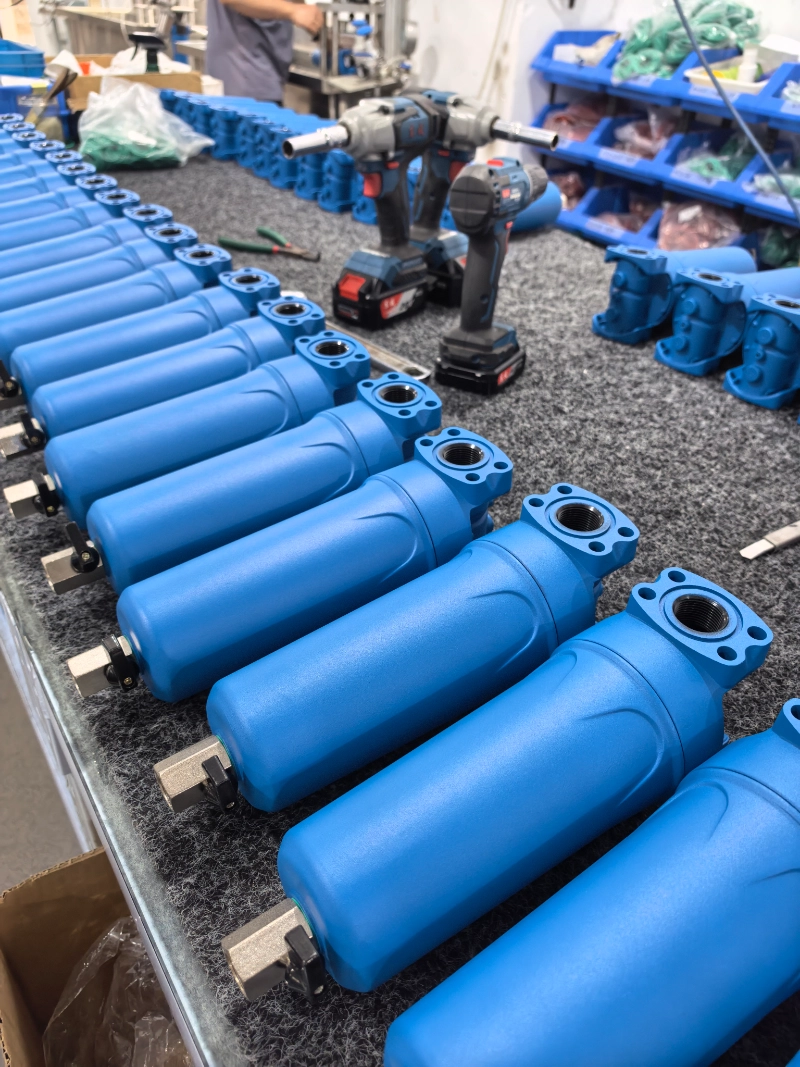
How Compressed Air Filter Protects Components
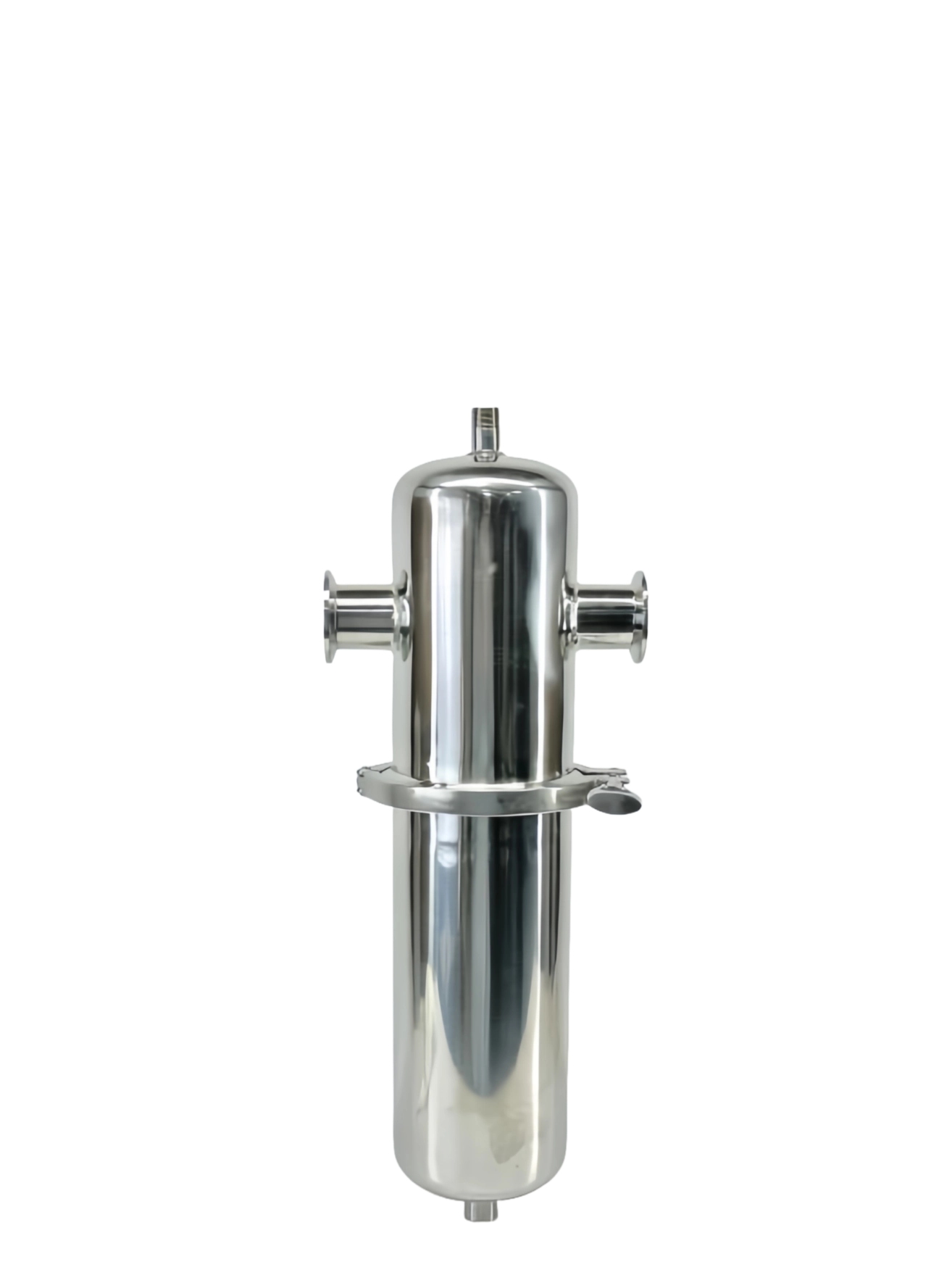
The primary purpose of a compressed air precision filter is to capture contaminants before they reach sensitive downstream equipment. This protection extends throughout the pneumatic system and delivers benefits far beyond simple air purification.
Preserving Valve Performance
Pneumatic valves contain intricate internal passages that control airflow direction and pressure regulation. Even small particles can obstruct these pathways and affect valve response times.
A precision filtration system prevents debris accumulation, allowing valves to operate smoothly and consistently over extended periods. This contributes to greater process accuracy and reduced maintenance requirements.
Extending Cylinder Life
Pneumatic cylinders rely on smooth internal movement to generate reliable linear motion. Contaminants entering the cylinder chamber can damage piston seals and accelerate wear on internal surfaces.
Clean compressed air reduces friction, preserves seal integrity, and helps maintain optimal cylinder performance throughout its service life.
Protecting Actuators and Automation Equipment
Modern automation systems depend on highly responsive pneumatic actuators. Contaminated air can disrupt actuator operation, causing inconsistent motion, positioning errors, and increased maintenance demands.
By maintaining clean airflow, compressed air precision filters support stable automation performance and improve overall production reliability.
The Relationship Between Filtration Efficiency and Equipment Longevity
Not all filtration systems provide the same level of protection. Filtration efficiency directly influences the amount of contamination reaching downstream equipment.
| Filtration Factor | Impact on Pneumatic Equipment |
|---|
| Particle Removal Efficiency | Reduces abrasion and mechanical wear |
| Oil Removal Capability | Prevents valve sticking and contamination |
| Moisture Separation | Minimizes corrosion and seal damage |
| Pressure Stability | Supports consistent equipment operation |
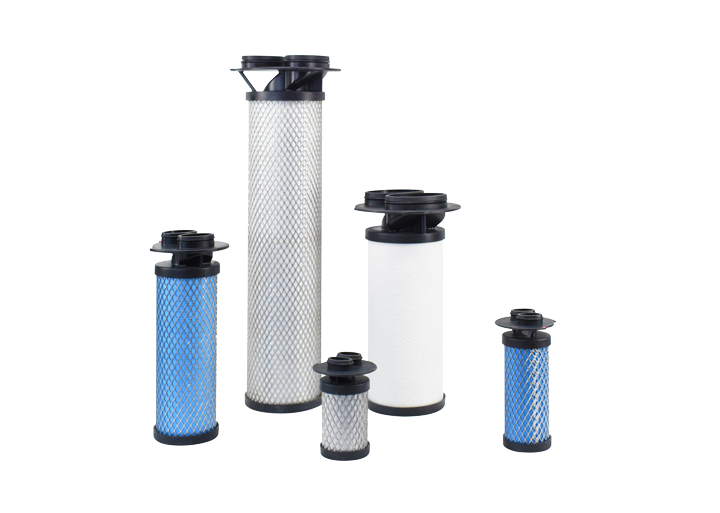
| Filter Element Quality | Extends maintenance intervals |
High-efficiency filter elements can remove contaminants at micron and sub-micron levels, significantly reducing the cumulative damage caused by long-term exposure to polluted compressed air.
Reduced Maintenance Costs Through Precision Air Filtration
Equipment maintenance represents a major operational expense for many industrial facilities. Frequent replacement of seals, valves, actuators, and pneumatic accessories can quickly increase maintenance budgets.
Installing a high-performance compressed air precision filter helps lower these costs by reducing contamination-related failures. Components experience less wear, require fewer repairs, and maintain stable performance for longer periods.
In addition, maintenance teams spend less time troubleshooting air quality issues, allowing them to focus on preventive maintenance and process optimization.
The result is a more efficient maintenance strategy and improved equipment availability.
Improving System Reliability and Production Stability
Unexpected downtime can disrupt production schedules, delay deliveries, and increase operating expenses. In many cases, contamination within compressed air systems is a hidden contributor to equipment failure.
When airborne particles accumulate inside pneumatic components, performance gradually deteriorates. Operators may notice slower response times, pressure fluctuations, inconsistent motion, or unexpected shutdowns.
A properly selected compressed air filter system helps eliminate these issues by maintaining a cleaner and more stable air supply. As equipment operates under more favorable conditions, reliability improves across the entire production line.
For manufacturers pursuing lean operations and continuous improvement initiatives, air filtration should be considered a critical reliability investment rather than a routine maintenance accessory.
Energy Efficiency Benefits of Cleaner Compressed Air
The connection between filtration and energy consumption is often underestimated.
Contaminated components typically experience increased friction and reduced efficiency. Pneumatic devices may require higher operating pressures to achieve the same performance levels, forcing compressors to work harder and consume more electricity.
When compressed air remains clean, airflow pathways stay unobstructed and components operate more efficiently. This allows systems to maintain performance with lower energy consumption and improved pressure stability.
Over time, these efficiency gains can contribute to measurable reductions in operating costs, particularly in facilities with extensive pneumatic networks.
Choosing the Right Filtration Solution for Industrial Applications
Selecting the appropriate compressed air precision filter requires careful consideration of operating conditions and air quality requirements.
Several factors should be evaluated:
Air Flow Rate
The filter must accommodate the required airflow without creating excessive pressure drop. Undersized filters can restrict airflow and negatively affect system performance.
Contamination Level
Facilities operating in dusty or humid environments may require higher filtration efficiency and additional moisture separation stages.
Application Requirements
Industries such as food processing, pharmaceuticals, electronics manufacturing, and precision engineering often demand stricter air quality standards than general industrial operations.
Maintenance Accessibility
Easy-to-service filter designs help reduce maintenance time and encourage regular replacement of filter elements.
Working with experienced filtration manufacturers ensures proper system design and long-term performance optimization.
Building a Multi-Stage Air Treatment Strategy
For demanding industrial applications, a single filter is often insufficient.
Many facilities implement a multi-stage compressed air treatment system consisting of:
Pre-filters for large particle removal
Coalescing filters for oil aerosol separation
Precision filters for fine particulate capture
Activated carbon filters for vapor removal
Air dryers for moisture control
This layered approach provides comprehensive protection and helps maintain consistent air quality throughout the pneumatic network.
By combining multiple treatment technologies, manufacturers can achieve cleaner air and maximize equipment lifespan.
Why Preventive Filtration Delivers Better Long-Term Results
Some organizations view air filtration as a reactive measure and only upgrade filtration after equipment problems occur. However, contamination damage often begins long before symptoms become visible.
Microscopic wear accumulates gradually, reducing efficiency and shortening component life. By the time failures appear, significant internal damage may already have occurred.
Preventive filtration minimizes this risk by continuously removing contaminants before they can affect equipment performance. The long-term savings generated through reduced repairs, lower downtime, and extended asset life often far exceed the initial investment in filtration equipment.
For this reason, leading manufacturers increasingly regard compressed air filtration as a strategic element of asset management and operational excellence.
Conclusion
The lifespan of pneumatic equipment is influenced by many factors, but compressed air quality remains one of the most important and controllable variables. Contaminants such as dust, moisture, oil aerosols, and corrosion particles can gradually damage critical components, leading to increased maintenance costs, reduced reliability, and premature equipment failure.
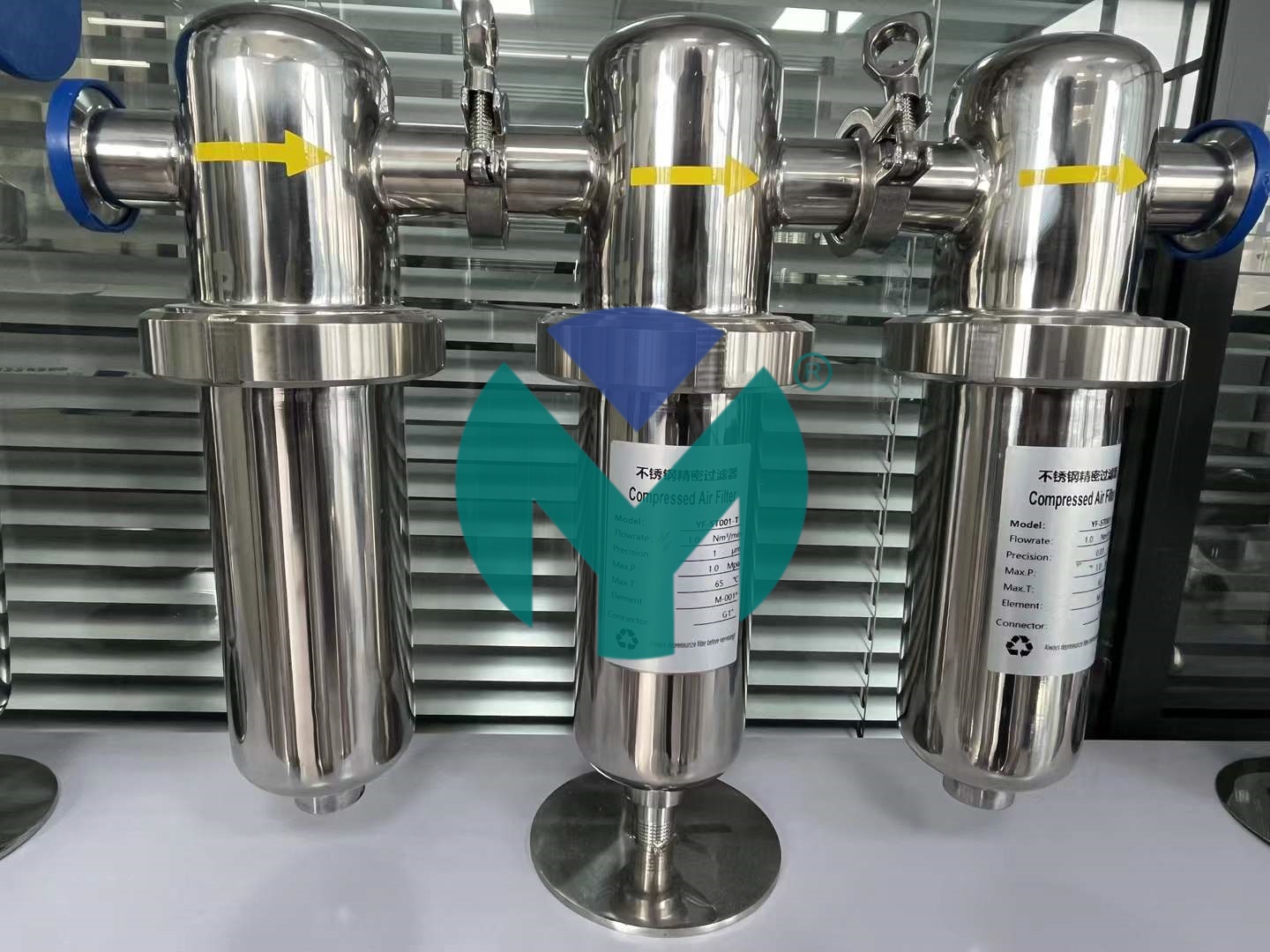
A high-quality compressed air precision filter protects valves, cylinders, actuators, and automation systems by removing harmful contaminants before they enter the pneumatic network. The benefits extend beyond equipment protection, contributing to improved energy efficiency, lower operating costs, enhanced production stability, and longer service life.
At Wuxi Yuanmei, we understand the critical role that clean compressed air plays in modern industrial operations. By implementing effective filtration solutions and maintaining proper air quality standards, manufacturers can protect valuable assets and achieve sustainable long-term performance.
FAQ
How often should a compressed air precision filter be replaced?
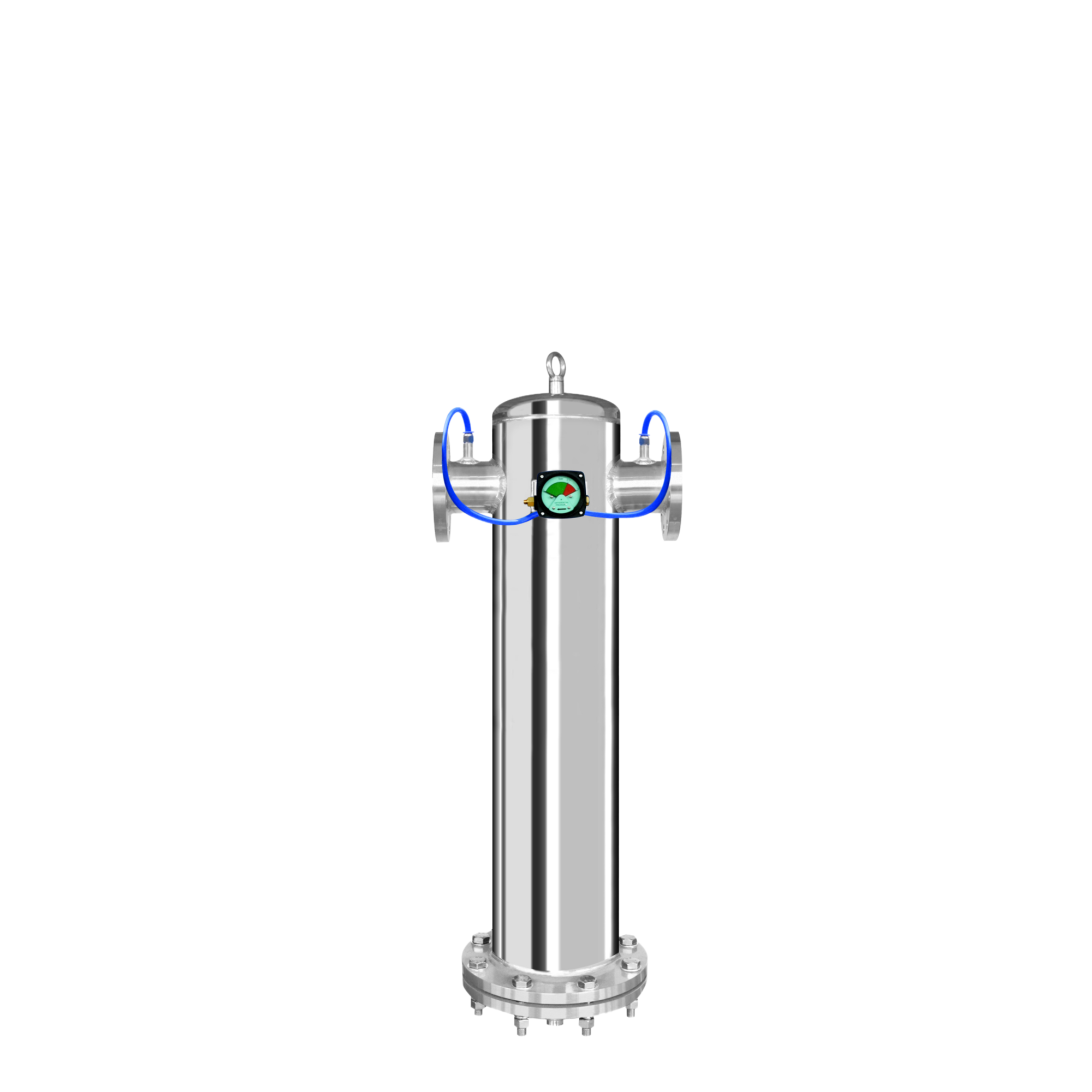
Replacement intervals depend on operating conditions, contamination levels, and filter design. Most industrial facilities inspect filter elements regularly and replace them according to manufacturer recommendations or pressure drop indicators.
Can a compressed air precision filter remove oil from compressed air?
Yes. High-efficiency coalescing and precision filter elements are designed to capture oil aerosols and fine oil droplets, helping maintain cleaner compressed air.
What happens if compressed air is not properly filtered?
Unfiltered air can introduce dust, moisture, rust particles, and oil contaminants into pneumatic equipment. This may cause accelerated wear, corrosion, performance loss, and premature component failure.
Does filtration affect compressed air system efficiency?
Yes. Proper filtration improves airflow quality and reduces contamination-related inefficiencies. Clean pneumatic components typically operate more efficiently and require less maintenance.
Which industries benefit most from compressed air precision filtration?
Virtually all industries using pneumatic equipment benefit from precision filtration, including manufacturing, automotive, electronics, pharmaceuticals, food processing, packaging, metalworking, and automation sectors.


 Join us
 After-sale service
 News
News