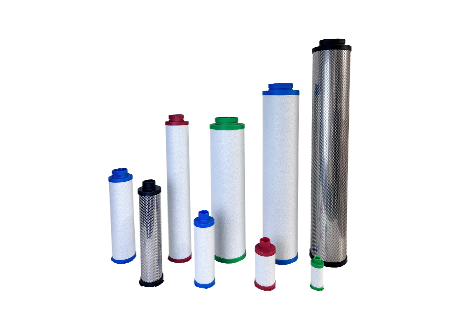
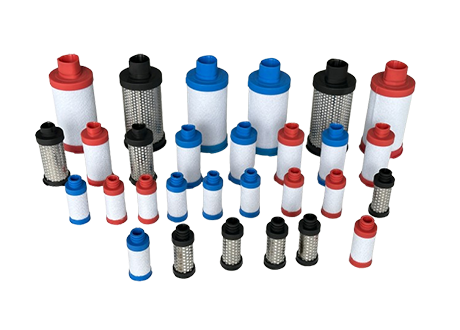
Compressed air is an essential utility in modern manufacturing plants, powering machinery, automation systems, and pneumatic tools. However, contaminated air can cause equipment malfunctions, reduce productivity, and increase operational costs. Selecting the right air filter for compressed air lines is therefore critical to maintain clean air, extend equipment life, and ensure consistent product quality. In this blog post, Wuxi Yuanmei, as high quality compressed air filtration solutions provider, will share how to choose air filters for compressed air lines in manufacturing plants.
Understanding Compressed Air Contaminants in Manufacturing Plants
Before selecting an air filter, it is important to understand the types of contaminants commonly found in compressed air systems:
Particulate Matter: Dust, rust, and metal shavings from pipeline corrosion or environmental exposure.
Water and Moisture: Condensation in air lines that can damage pneumatic equipment and reduce air quality.
Oil Aerosols: Lubricants from compressors that may enter the air system and affect product safety in sensitive industries.
Microbial Contamination: Bacteria and mold growth in humid or poorly maintained systems, especially relevant in food or pharmaceutical manufacturing.
The level of contamination varies depending on the compressor type, ambient conditions, and air treatment practices. Understanding these factors helps determine the filter type, micron rating, and maintenance frequency required for your compressed air line filters.
Key Types of Air Filters for Compressed Air Lines
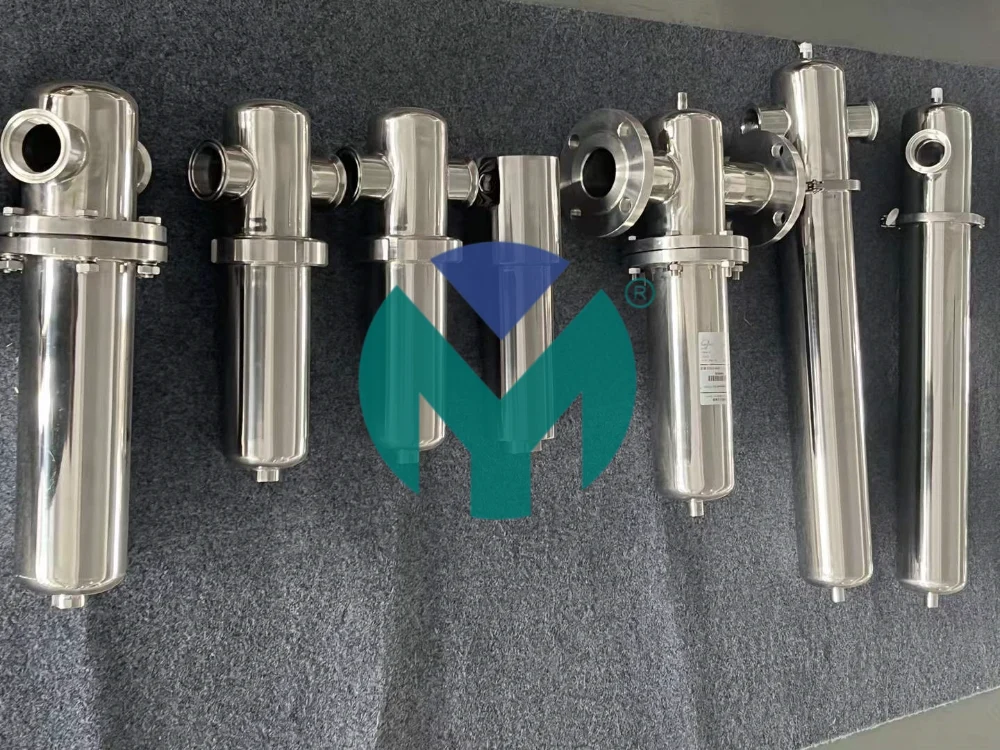
There are several filter types designed for industrial compressed air systems, each serving a specific purpose:
Particulate Filters: Remove solid particles and debris. Available in micron ratings from 0.01 to 40 microns.
Coalescing Filters: Capture fine aerosols and liquid droplets, ideal for oil and water removal.
Activated Carbon Filters: Remove odors, oil vapors, and hydrocarbons from compressed air.
Combination Filters: Integrated solutions for applications requiring multiple types of contaminant removal.
Selecting the correct filter type depends on the application and the air quality standard required in your plant. For example, pharmaceutical manufacturing requires stricter air purity compared to general mechanical workshops.
Determining the Required Filtration Level
The filtration level, usually indicated in microns, defines the size of particles a filter can remove. Choosing an appropriate filtration level is crucial for both equipment protection and product quality:
Coarse Filtration (5–40 microns): Suitable for pre-filtration to remove larger particles and extend downstream filter life.
Fine Filtration (1–5 microns): Protects sensitive pneumatic tools and prevents minor contaminants from entering production lines.
Ultrafine Filtration (<1 micron): Required for cleanrooms, electronics manufacturing, or high-precision machinery.
Long-term efficiency depends on selecting filters that balance contaminant removal with airflow capacity, avoiding excessive pressure drops that can impact compressor performance.
Considering Flow Rate and Pressure Requirements
An often-overlooked factor in compressed air line air filter selection is system flow rate and pressure compatibility. Key considerations include:
Maximum Flow Rate: Ensure the filter can handle peak airflow without causing pressure loss.
Operating Pressure: Filters must withstand the maximum working pressure of the plant’s air system.
Pressure Drop: Excessive resistance reduces system efficiency and increases energy consumption. Look for filters with low pressure drop ratings relative to the system flow.
Proper sizing ensures the filter maintains effective contaminant removal while supporting overall system efficiency.
Material Compatibility and Filter Construction
The construction and materials of air filters affect durability, chemical resistance, and maintenance needs:
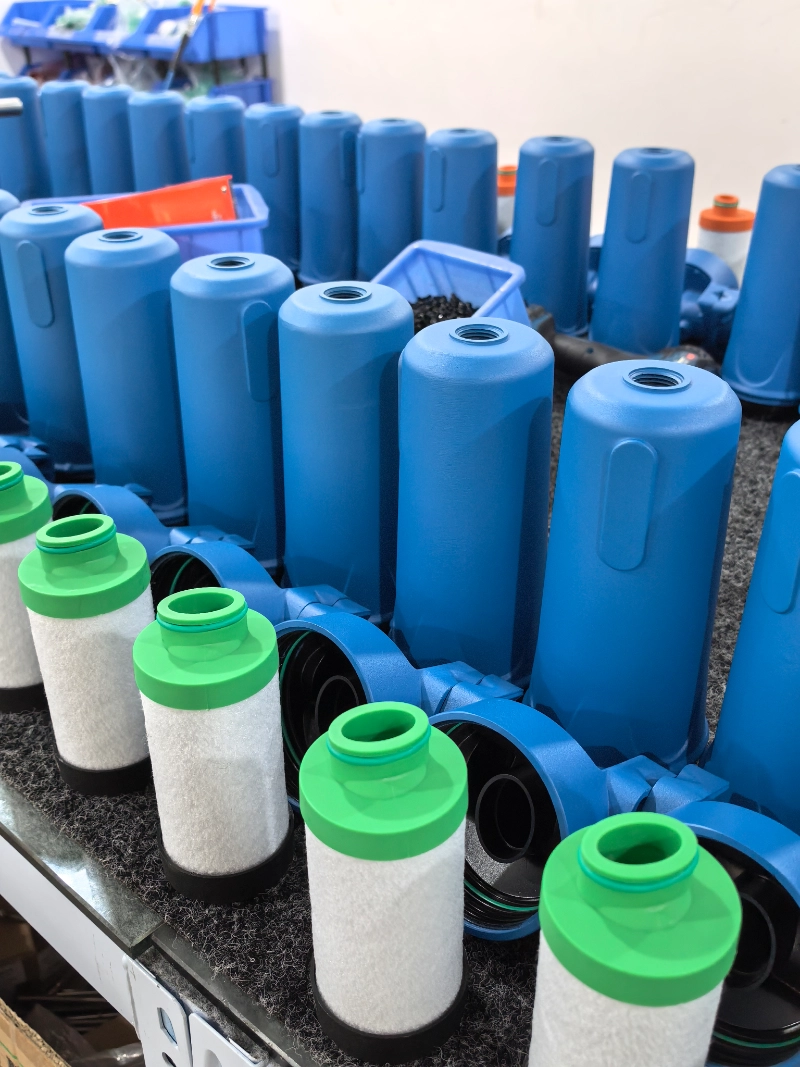
Filter Element Material: Options include synthetic fibers, stainless steel mesh, and cellulose. Choose based on contaminant type, operating temperature, and plant environment.
Housing Material: Aluminum, steel, or reinforced polymers provide corrosion resistance and longevity.
Sealing and Gaskets: Ensure compatibility with compressor oils, cleaning agents, and environmental conditions to prevent leaks or bypass.
Material choices also influence maintenance intervals and operational safety, particularly in food, beverage, and pharmaceutical plants where contamination risks are critical.
Maintenance and Replacement Strategies
Proper maintenance of compressed air line filters is essential for consistent performance:
Scheduled Inspections: Check for pressure drop, clogging, and physical damage.
Element Replacement: Replace filter elements based on operating hours, air quality, and manufacturer recommendations.
System Cleaning: Periodically clean housings and connections to prevent buildup of debris or microbial growth.
Implementing a preventive maintenance schedule reduces unexpected downtime and extends filter life, ensuring continuous plant operation.
Industry Standards and Compliance
Many industries require compressed air to meet specific standards, guiding filter selection:
ISO 8573: Defines classes of compressed air quality, including solid particles, water content, and oil contamination.
FDA and GMP Guidelines: Relevant for food, beverage, and pharmaceutical production, dictating air purity levels.
Local Safety and Environmental Regulations: Compliance with emission, disposal, and workplace safety standards may impact filter type selection.
Choosing filters that meet or exceed these standards ensures regulatory compliance while protecting product quality and worker safety.
Long-Term Cost and Energy Considerations
Selecting an air filter is not only about initial purchase price but also long-term operational efficiency:
Energy Efficiency: Filters with lower pressure drop reduce compressor energy consumption.
Longevity: Durable filters with high dirt-holding capacity lower replacement frequency and maintenance costs.
System Optimization: Proper filtration reduces equipment wear, preventing costly repairs and production interruptions.
Balancing upfront investment with operational savings is key to achieving the best return on investment for compressed air filtration.
Emerging Technologies in Compressed Air Filtration
Modern manufacturing plants can benefit from technological advances in air filtration:
Smart Filters: Equipped with sensors to monitor pressure drop, filter life, and airflow quality.
Modular Filtration Systems: Allow easy upgrades or replacement of specific elements without system shutdown.
Eco-Friendly Materials: Filters made with biodegradable or recyclable media reduce environmental impact.
Integrating these technologies supports predictive maintenance, improves air quality, and aligns with sustainability initiatives.
Selecting the Right Supplier and Brand
Choosing a reliable supplier ensures consistent quality, support, and availability of spare parts:
Experience in Industrial Applications: Suppliers familiar with manufacturing requirements can advise on optimal filtration solutions.
Global Compliance: Brands meeting international standards provide assurance for multinational plants.
After-Sales Support: Availability of technical support, replacement elements, and quick delivery reduces operational risks.
A trusted supplier simplifies installation, reduces downtime, and ensures ongoing air quality management.
Conclusion
Selecting the right air filter for compressed air lines in manufacturing plants requires a comprehensive evaluation of contaminant types, filtration levels, flow and pressure requirements, material compatibility, maintenance strategy, and compliance with industry standards. By carefully considering these factors, manufacturers can protect equipment, improve operational efficiency, and maintain product quality across industrial processes. Incorporating modern filter technologies and partnering with experienced suppliers further enhances system performance and reliability, making the investment in high-quality compressed air filtration a critical component of plant operations.


 Join us
 After-sale service
 News
News