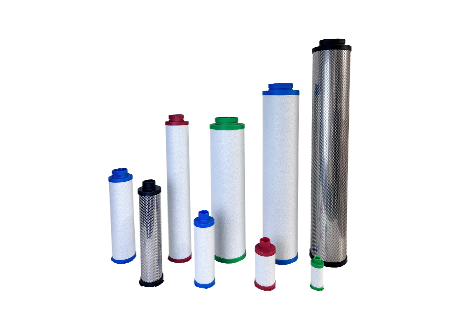
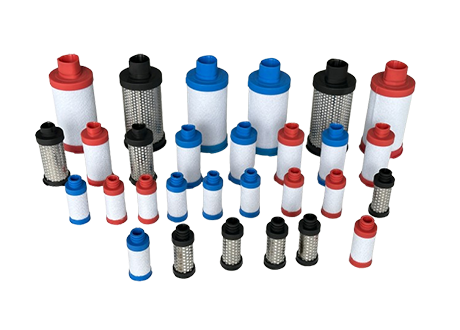
Why Particle Control Matters in Compressed Air Systems
In industrial environments, compressed air is often described as the “fourth utility,” yet its quality is frequently underestimated. Dust, rust, scale, and other solid contaminants are almost inevitable byproducts of air compression and distribution. Without proper filtration, these particles circulate through pipelines, damage equipment, and compromise end-product quality.
An industrial compressed air filter designed for dust and particle removal plays a critical role in maintaining system integrity. Solid contaminants originate from multiple sources: ambient air intake, compressor wear, pipe corrosion, and maintenance activities. Even microscopic particles can lead to abrasive wear in pneumatic tools, clogging in valves, and reduced efficiency in downstream processes.
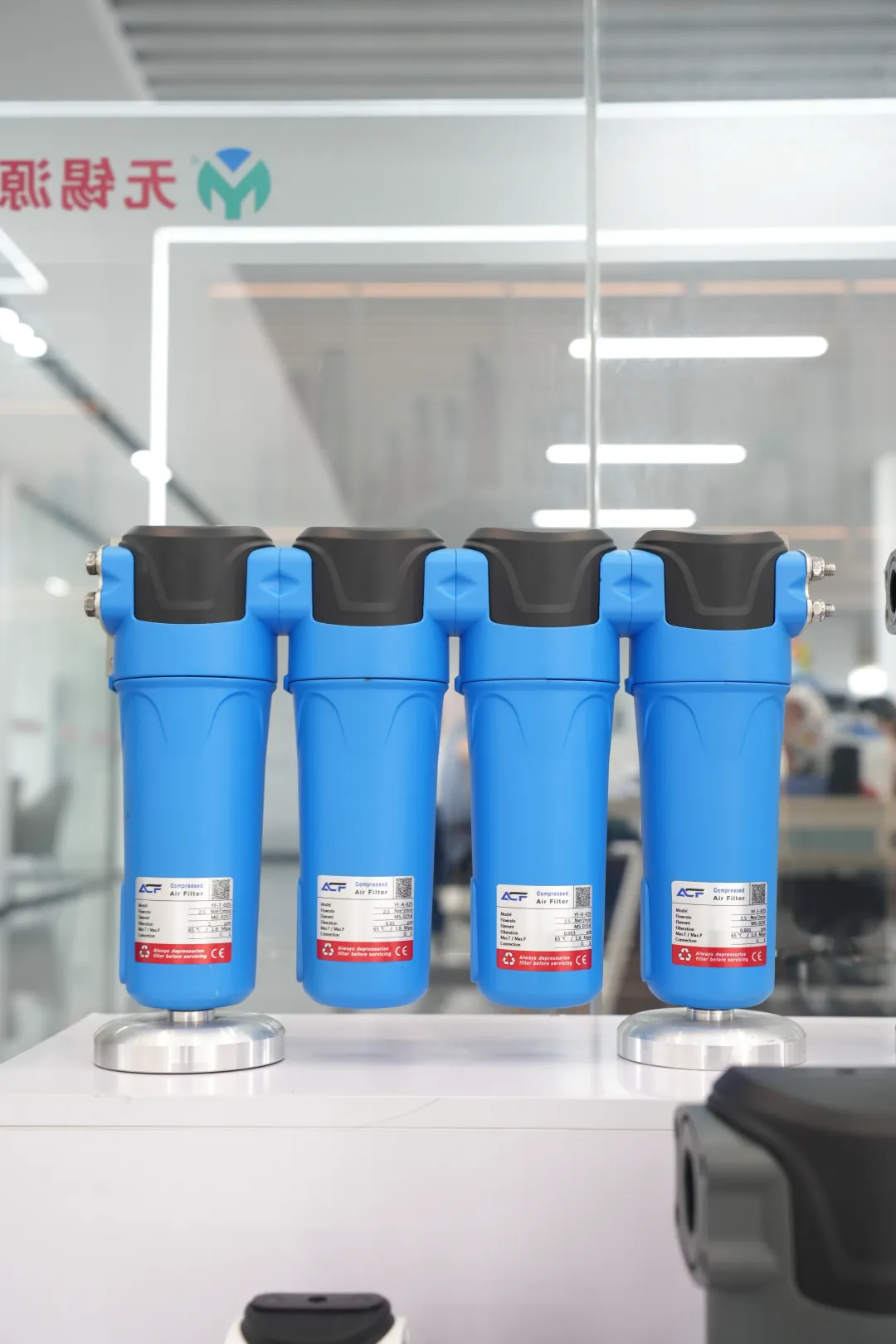
The challenge is not just removing visible debris but capturing sub-micron particles that affect sensitive applications. This makes selecting the right filtration solution essential for long-term operational stability. In this blog post, Wuxi Yuanmei, as high precision air filter for compressed air lines exporter, will share the benefits of industrial compressed air filter for dust and particle removal.
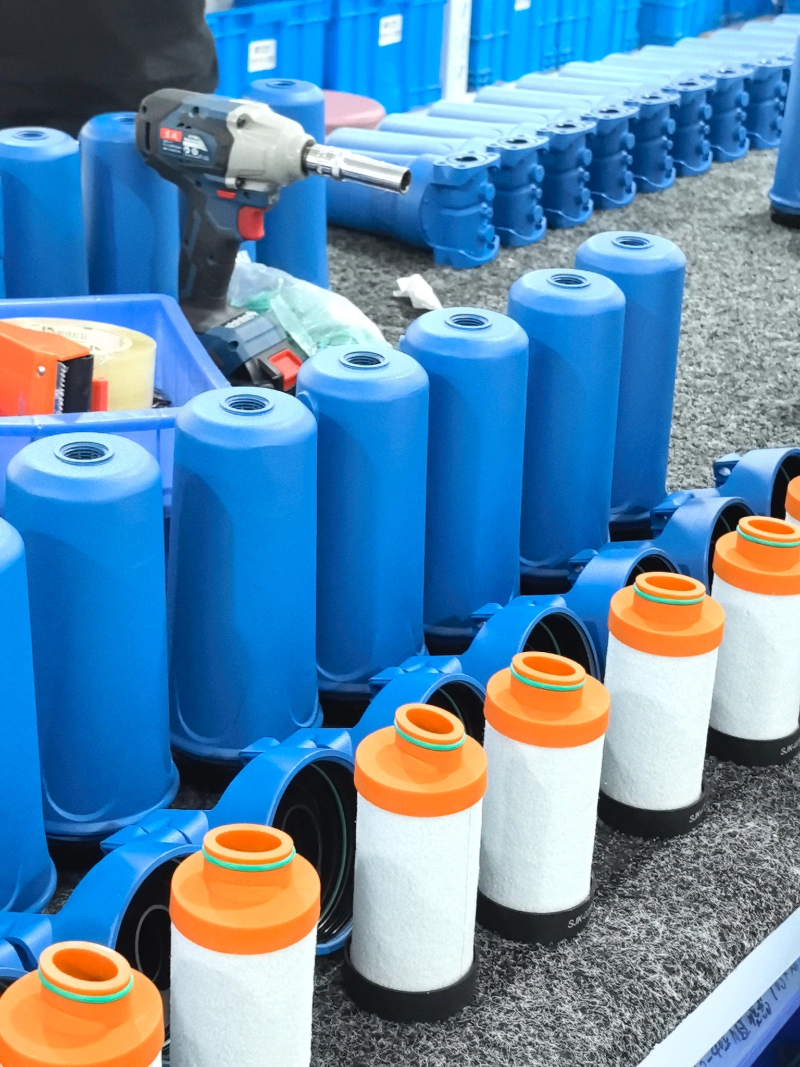
How Industrial Compressed Air Filtration Works
A compressed air filtration system functions by forcing pressurized air through specialized filter media that trap contaminants while allowing clean air to pass. For dust and particle removal, mechanical filtration is the primary method.
Key Filtration Mechanisms
Inertial impaction: Larger particles collide with filter fibers and are captured
Interception: Mid-sized particles follow airflow but stick to fibers upon contact
Diffusion: Ultra-fine particles move randomly and adhere to filter media
These mechanisms work together to ensure that industrial air filtration systems can handle a wide range of particle sizes, from visible dust to microscopic solids.
Filter Stages in Practice
In most industrial setups, filtration is not a single-step process. Instead, multiple stages are used:
Pre-filtration: Removes bulk particles and protects finer filters
Fine filtration: Captures smaller dust particles and aerosols
Final filtration: Ensures high-purity air for sensitive applications
This staged approach improves efficiency and extends the lifespan of each compressed air filter element.
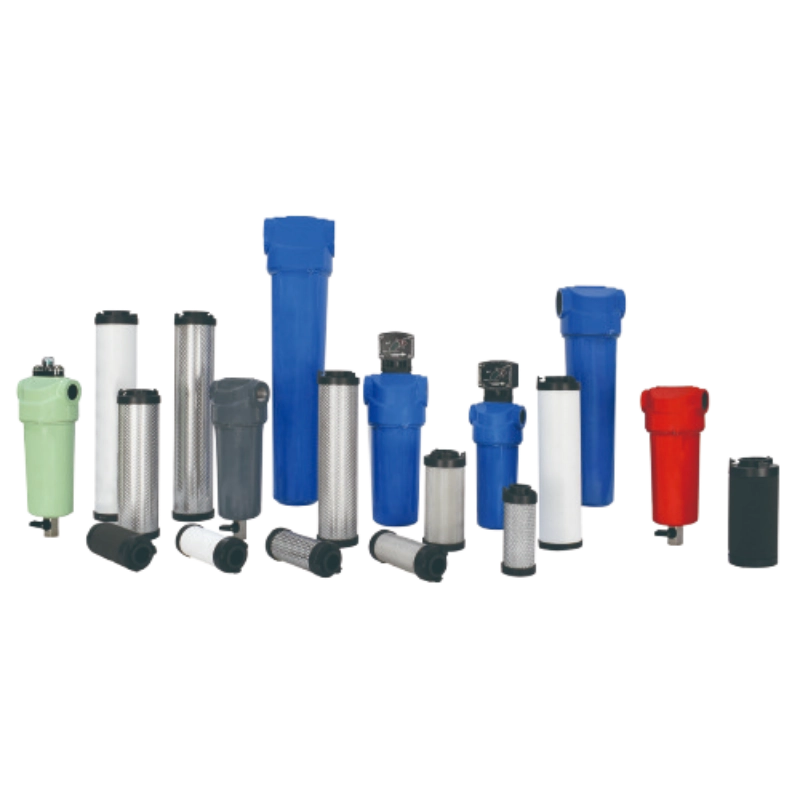
Types of Industrial Compressed Air Filters for Particle Removal
Different filtration technologies are designed to target specific contamination levels and operational requirements. Choosing the correct type depends on particle size, airflow rate, and system pressure.
Particulate Filters
Particulate filters are specifically engineered for solid contaminant removal. They are typically rated in microns, such as 1 micron, 0.01 micron, or even finer.
These filters are widely used in general manufacturing where dust and debris are the primary concerns. High-efficiency particulate filters ensure that even the smallest particles are captured before reaching sensitive equipment.
Coalescing Filters with Particle Capability
While primarily used for oil and moisture removal, coalescing filters also capture fine solid particles. Their dual-function capability makes them valuable in systems where multiple contaminants are present.
High-Efficiency Filters
For industries requiring extremely clean air, high-efficiency filters provide near-total removal of fine particles. These are often used in environments where air purity directly impacts product quality.
Selecting the Right Industrial Compressed Air Filter
Choosing the right filtration solution requires more than just matching specifications. It involves understanding system demands, environmental conditions, and long-term operational goals.
Factors to Consider
1. Particle Size Requirements
Understanding the size of contaminants is crucial. Systems dealing with fine dust require filters with lower micron ratings.
2. Flow Rate and Pressure
Filters must handle the system’s airflow without causing excessive pressure drop, which can reduce efficiency and increase energy costs.
3. Operating Environment
Harsh environments with high dust loads demand robust and durable filtration systems.
4. Maintenance Accessibility
Filters should be easy to inspect and replace to minimize downtime.
Matching Filter Performance to Application
Different industries have different cleanliness standards. For example:
Manufacturing plants prioritize equipment protection
Food processing facilities require contamination-free air
Electronics production demands ultra-clean environments
Selecting the correct industrial compressed air filtration solution ensures compliance with these varying requirements.
Installation Best Practices for Maximum Efficiency
Proper installation is just as important as selecting the right filter. Even the most advanced industrial compressed air filter cannot perform effectively if installed incorrectly.
Optimal Placement
Filters should be installed as close as possible to the point of use. This minimizes the risk of contamination entering the system downstream.
Multi-Stage Configuration
Installing filters in sequence allows each stage to handle a specific type of contaminant. This not only improves efficiency but also extends filter life.
Avoiding Common Installation Issues
Incorrect orientation can reduce filtration efficiency
Poor sealing can allow contaminants to bypass the filter
Inadequate support may lead to vibration damage
Attention to these details ensures consistent air quality and system reliability.
Maintenance Strategies for Long-Term Performance
Regular maintenance is essential for maintaining the effectiveness of any compressed air filtration system. Neglecting maintenance leads to reduced efficiency, higher energy consumption, and potential equipment failure.
Routine Inspection
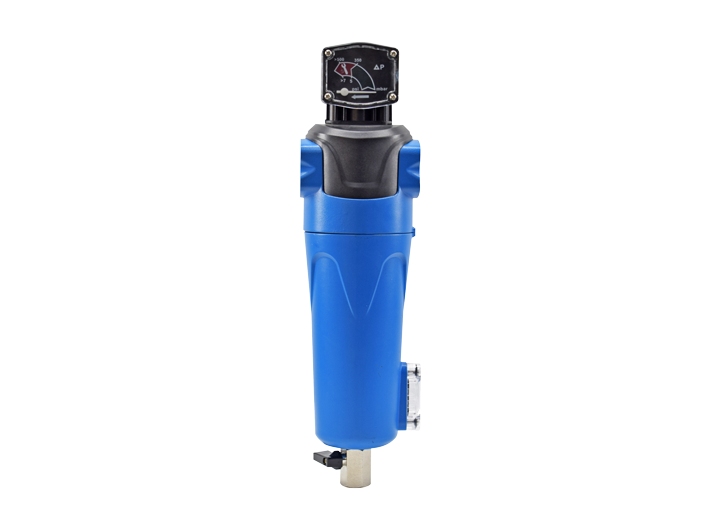
Filters should be inspected periodically for signs of clogging, damage, or wear. Pressure drop indicators can help identify when replacement is needed.
Timely Replacement
Replacing filter elements at the right intervals prevents performance degradation. Waiting too long can result in:
Increased pressure drop
Reduced airflow
Contaminant breakthrough
Cleaning and Monitoring
While some filters are disposable, others can be cleaned and reused. Monitoring system performance helps optimize maintenance schedules and reduce operational costs.
Energy Efficiency and Cost Considerations
Filtration is not just about air quality—it also impacts energy consumption. Poorly maintained or incorrectly selected filters can significantly increase operational costs.
Pressure Drop and Energy Use
As filters become clogged, they create resistance to airflow. This forces compressors to work harder, consuming more energy.
Balancing Efficiency and Performance
High-efficiency filters may have higher initial costs, but they often reduce long-term expenses by:
Investing in the right industrial compressed air filter can deliver substantial cost savings over time.
Industry Applications of Dust and Particle Filtration
Particle removal is critical across a wide range of industries. Each application has unique requirements, but the underlying need for clean compressed air remains consistent.
Manufacturing and Automation
Dust-free air ensures smooth operation of pneumatic systems and reduces wear on machinery.
Food and Beverage Production
Clean air prevents contamination during processing and packaging, maintaining product safety.
Electronics and Precision Engineering
Even microscopic particles can damage sensitive components, making high-efficiency filtration essential.
Automotive and Painting Processes
Particle-free air is crucial for achieving high-quality finishes and preventing defects.
Common Challenges and How to Address Them
Despite the importance of filtration, many systems face recurring issues that reduce effectiveness.
Overloading Filters
High dust loads can overwhelm filters, leading to frequent replacements. Using pre-filters can help manage this problem.
Inconsistent Air Quality
Fluctuations in air quality often result from inadequate filtration stages or poor maintenance practices.
Incorrect Filter Selection
Using the wrong filter type or rating can lead to insufficient particle removal or unnecessary pressure loss.
Addressing these challenges requires a combination of proper system design, regular maintenance, and informed decision-making.
Future Trends in Industrial Air Filtration
As industries evolve, so do filtration technologies. Innovations are focused on improving efficiency, reducing energy consumption, and enhancing monitoring capabilities.
Smart Filtration Systems
Modern systems incorporate sensors and digital monitoring to provide real-time data on filter performance.
Advanced Filter Media
New materials offer improved particle capture while maintaining low pressure drop, enhancing overall efficiency.
Sustainability Considerations
Energy-efficient designs and longer-lasting filters contribute to reduced environmental impact and operational costs.
Final Thoughts
Dust and particle contamination in compressed air systems is an unavoidable challenge, but it can be effectively managed with the right approach. A well-designed industrial compressed air filter system not only protects equipment but also ensures consistent performance across applications.
From selection and installation to maintenance and optimization, every aspect of filtration plays a role in achieving clean, reliable compressed air. By focusing on both technical requirements and practical considerations, businesses can improve efficiency, reduce costs, and maintain high operational standards.


 Join us
 After-sale service
 News
News