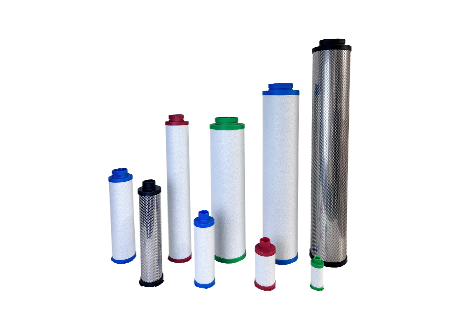
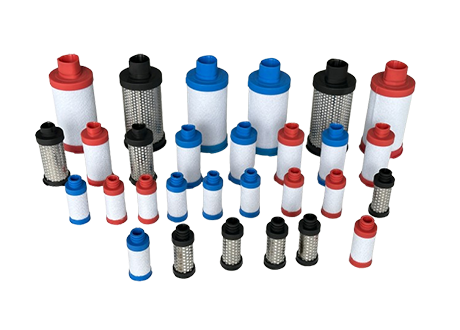
In modern industrial environments, compressed air systems are a critical component, supporting operations ranging from pneumatic tools to precision machinery. Ensuring the efficiency and longevity of these systems requires a focus on contamination control, where oil water separators play a pivotal role. Choosing an oil water separator involves assessing factors such as flow rate, oil load, and compatibility with compressed air filters. High-performance separators are designed to handle varying concentrations of oil and water, maintaining system integrity while minimizing maintenance cycles. In this blog post, Yuanmei, as air filters for compressed air lines manufacturer, will share oil water separators and compressed air filters solutions to improve industrial efficiency.
Integrating Compressed Air Filters with Oil Water Separators
Integration between compressed air filters and oil water separators is essential for achieving optimal air quality. Compressed air filters primarily remove particulates, condensates, and residual oil aerosols, while oil water separators manage liquid discharge from the filtration process. Coordinating these two components requires understanding their interdependence: inefficient filtration can increase the load on separators, while poorly sized separators may allow contaminants to circulate back into the system.
Selecting the correct filter media is crucial. Coalescing filters, for instance, enhance oil and water separation by combining fine droplets into larger aggregates, which are then removed efficiently. Regular maintenance, including monitoring differential pressure and scheduling element replacements, ensures both filters and separators maintain peak performance. Advanced installations often include modular configurations that allow for flexible expansion without compromising system efficiency.
Improving Energy Efficiency through Filtration Solutions
One often overlooked aspect of compressed air filtration is its impact on energy consumption. Pressure drop across filters and separators can significantly affect the energy required to maintain system performance. Selecting high-efficiency elements and separators with low resistance ensures minimal energy loss. Additionally, separating oil and water effectively prevents contamination-related blockages, which can force compressors to operate at higher loads and increase operational costs.
Monitoring tools, such as pressure gauges and flow meters, provide actionable data to optimize filter replacement intervals. Combining energy-efficient compressed air filters with appropriately sized oil water separators can yield both operational and environmental benefits, aligning with sustainability goals in modern industrial facilities.
Maintaining System Reliability and Reducing Downtime
Downtime in compressed air systems can result in substantial productivity losses. Implementing robust oil water separators alongside high-quality compressed air filters is a preventative measure to safeguard against system failures. Frequent monitoring of condensate levels, oil content, and filter pressure differentials enables proactive maintenance scheduling. By addressing minor inefficiencies before they escalate, plants can prevent costly repairs and avoid unexpected interruptions.
Another important factor is the installation layout. Strategically positioning filters and separators to minimize turbulence and maximize flow uniformity ensures contaminants are captured effectively. Regular inspection of seals, housings, and drainage lines further enhances system reliability, reducing the risk of leaks or backflow that could compromise air quality.
Addressing Environmental and Regulatory Compliance
Environmental considerations are increasingly significant in industrial operations. Oil water separators are often subject to strict regulations governing the discharge of oily wastewater. Selecting separators that comply with local and international standards ensures not only operational safety but also regulatory adherence. Similarly, compressed air filters play a role in preventing emissions of fine oil aerosols, contributing to cleaner air both inside and outside industrial facilities.
For facilities aiming for ISO certification or sustainable operation targets, the combination of oil water separators and efficient compressed air filters is a cornerstone of compliance strategy. Integrating monitoring systems that track oil and water separation efficiency can provide documentation for audits and regulatory reporting.
Advanced Considerations for Industrial Optimization
Beyond basic operation, modern facilities often look for solutions that offer flexibility, scalability, and intelligent monitoring. Modular separator designs allow plants to adapt to changing air demand without complete system overhauls. Some systems incorporate sensors that detect water saturation or oil concentration, triggering alerts for maintenance before performance is impacted.
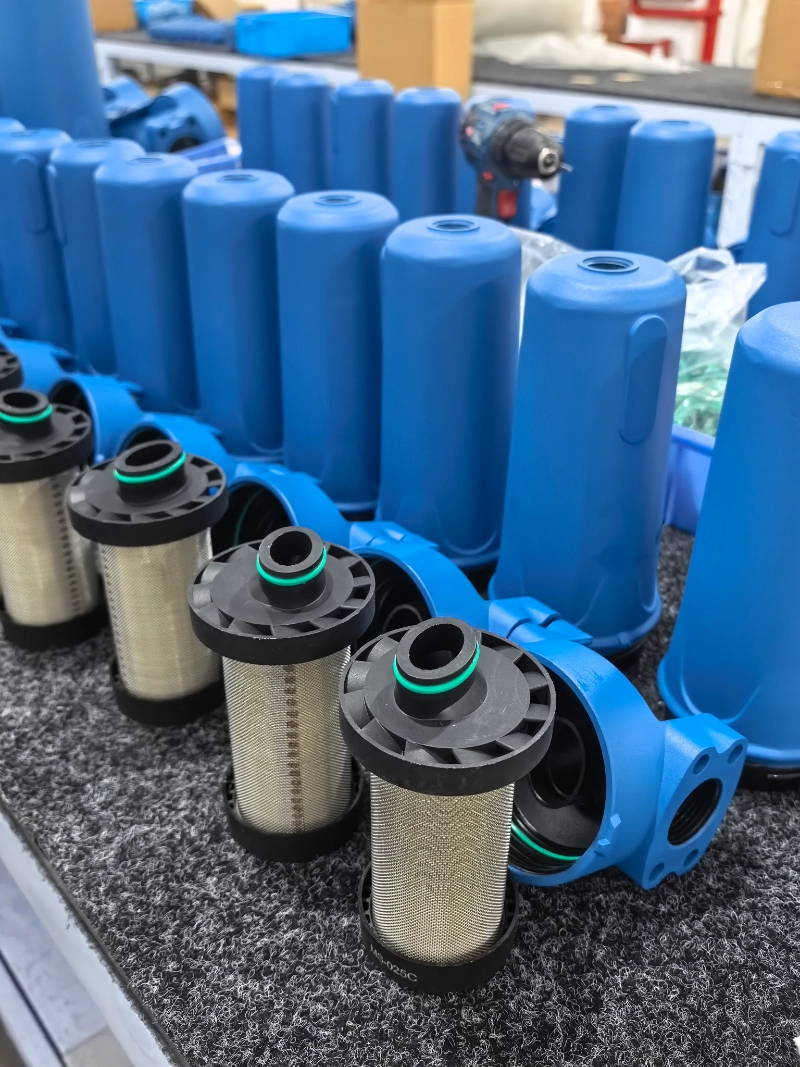
Furthermore, pairing compressed air filters with separators that have quick-access housings and replaceable cartridges reduces labor time and downtime during maintenance. For industries such as electronics manufacturing or pharmaceuticals, where air purity standards are exceptionally high, advanced filtration solutions coupled with reliable oil water separation are not optional—they are operational necessities.
Choosing Long-Term Filtration Solutions
Investing in high-quality oil water separators and compressed air filters is a long-term strategy that emphasizes system reliability, energy efficiency, and regulatory compliance. Selecting the right combination requires a balance between initial cost, maintenance convenience, and performance metrics such as pressure drop, flow capacity, and contaminant removal efficiency. Consultation with experts or leveraging OEM-specific solutions can help ensure that installations are tailored to the unique demands of each facility.
By prioritizing continuous monitoring, routine maintenance, and strategic component selection, industrial operations can achieve optimal compressed air quality while minimizing operational disruptions. This holistic approach not only enhances equipment longevity but also contributes to sustainable and cost-effective operations.
Conclusion
Oil water separators and compressed air filters solutions form an integrated system that is vital for modern industrial efficiency. From selecting appropriate separators and filters to ensuring regulatory compliance, each decision influences energy consumption, system reliability, and overall performance. By adopting a strategic, experience-driven approach, industries can maintain high-quality compressed air, reduce operational risks, and achieve sustainable operational goals. Integrating these systems thoughtfully ensures that both equipment and processes operate at peak efficiency, supporting productivity and long-term operational success.


 Join us
 After-sale service
 News
News