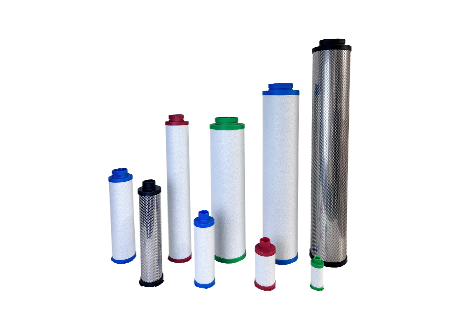
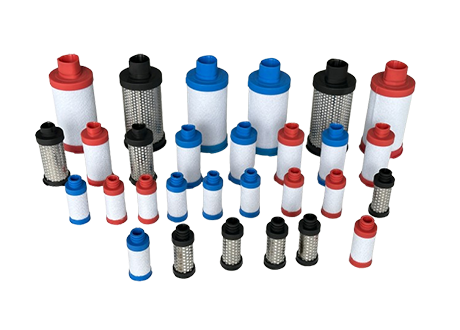
Compressed air purity is a critical requirement in modern pharmaceutical, semiconductor, and food-chemical applications. When air comes into direct or indirect contact with sensitive products or precision equipment, even trace contaminants can compromise safety, yield, or regulatory compliance. A stainless steel compressed air filter provides the high-efficiency, hygienic, and corrosion-resistant solution required for these demanding environments. Featuring polished stainless steel structures, hydrophobic PTFE filter elements, and rigorous integrity testing standards, these filtration systems deliver consistent performance and long-term dependability. In this blog post, Yuanmei, as high precision air filters for compressed air lines exporter, will share the features of stainless steel sterilizing compressed air filter for sale, its advantages, etc.
How Stainless Steel Sterilizing Compressed Air Filters Improve Air Safety
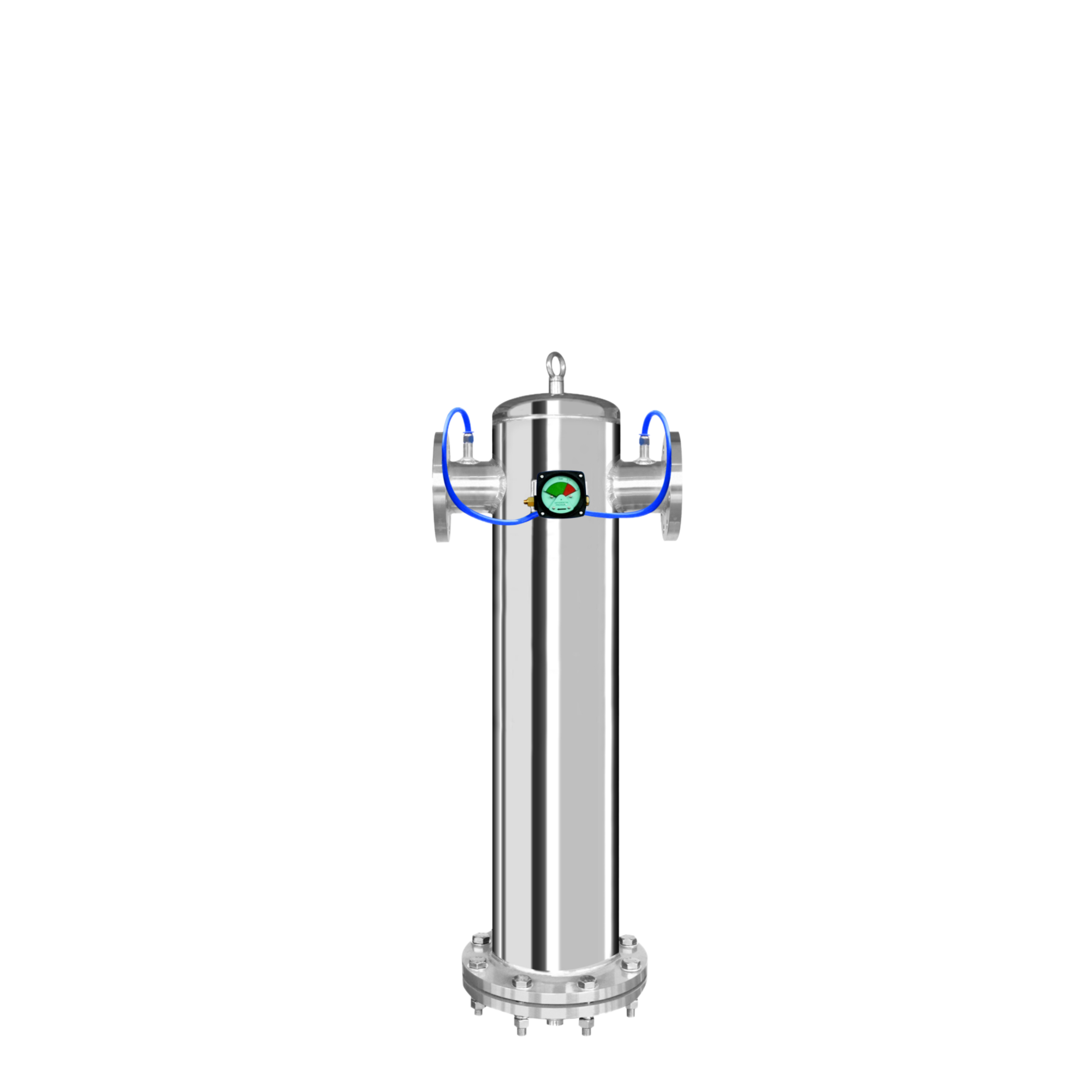
A stainless steel sterilizing compressed air filter is designed to remove microorganisms, submicron particles, oil aerosols, and moisture that standard air filters fail to capture. The stainless steel body—typically made from SUS304 or SUS316—ensures chemical compatibility, durability, and resistance to corrosion, especially when exposed to high-humidity or chemically active operating environments.
To ensure sanitary performance, the filter housing is polished to grade Ra0.3 on both inner and outer surfaces. This smooth finish minimizes the risk of bacterial adhesion, facilitates effective cleaning, and supports compliance with hygiene regulations in controlled environments. Such design features make these filters essential for processes requiring sterile and ultra-clean compressed air.
Key Features of High Efficiency Stainless Steel Compressed Air Filter
Modern industries require compressed air filtration systems that balance efficiency, maintenance convenience, and verifiable safety. A sterilizing compressed air filter stainless steel structure offers several critical features:
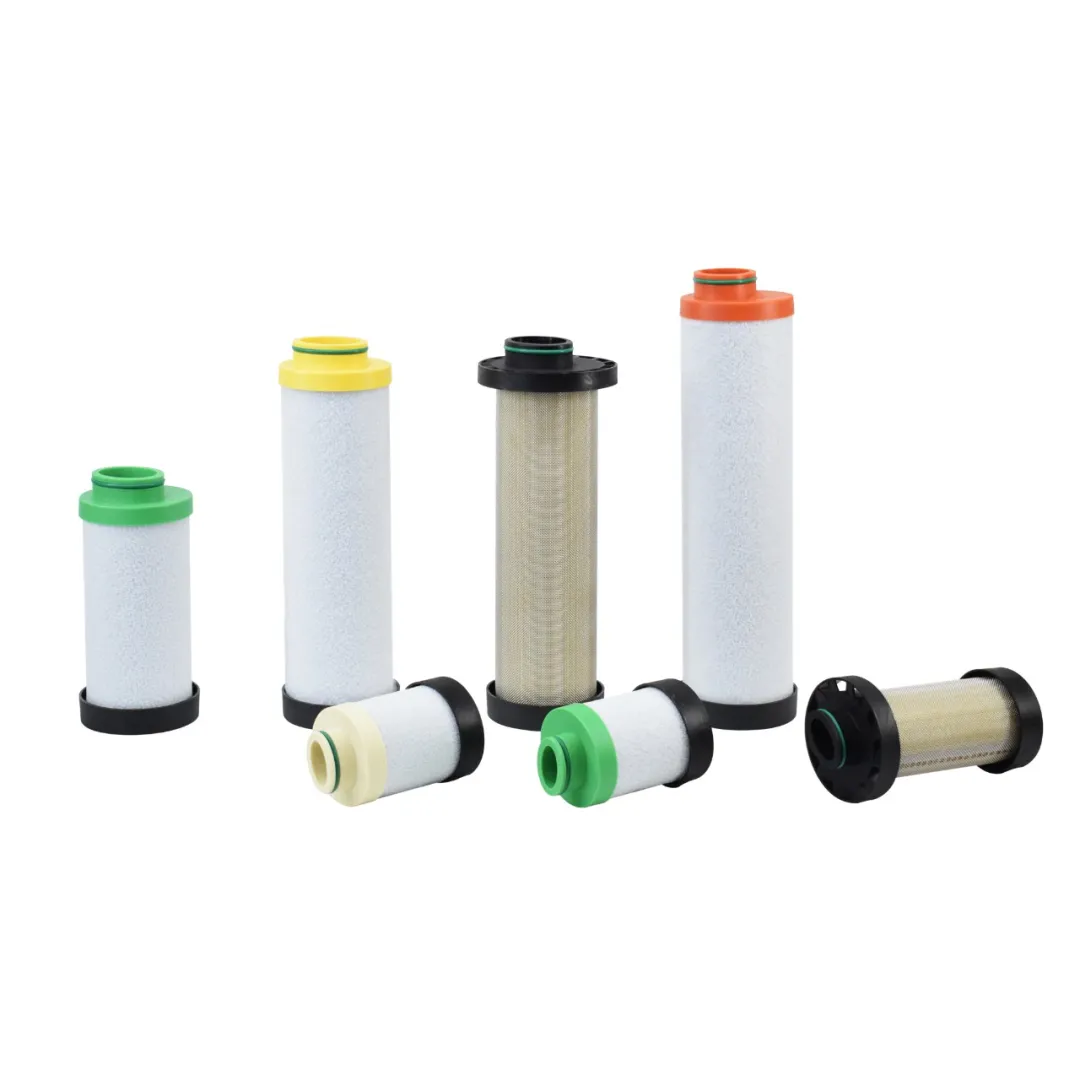
High-Efficiency PTFE Sterile Membrane Filter Elements
At the core of the filtration system is a hydrophobic, pleated PTFE membrane. This material provides exceptional resistance to moisture and ensures microorganisms cannot penetrate the filter layer. Its pleated structure increases surface area, reducing pressure drop and extending service life.
Every filter element undergoes 100% DOP integrity testing, confirming that no leaks or defects compromise sterility performance. This guarantees consistent and reliable capture of bacteria and particles.
Food- and Pharmaceutical-Grade Stainless Steel Materials
The stainless steel shell and filter materials have passed SGS testing from an internationally recognized third-party agency. This certification confirms that the components meet stringent food-grade and drug-grade standards, making them safe for use in clean manufacturing environments where material purity is essential.
Polished Surfaces for Hygienic Operation
With an internal and external finish of Ra0.3, the filter body provides a smooth, easy-to-sanitize surface. This advanced polishing reduces the risk of microbial growth, cross-contamination, and particle retention.
Corrosion-Resistant Construction for Long-Term Use
SUS304 and SUS316 stainless steel materials ensure excellent performance in high-temperature, high-pressure, and chemically reactive environments. They also withstand repeated cleaning cycles, including CIP and SIP procedures.

Applications of Stainless Steel Sterilizing Filter in Clean Industries
A stainless steel compressed air sterilization filter is used across industries that demand strict contamination control. Its role extends far beyond particle removal—these filters ensure microbial safety, protect equipment, and maintain regulatory compliance.
Pharmaceutical Manufacturing
Pharmaceutical processing requires sterile air for fermenters, tablet coating machines, filling equipment, and packaging systems. Any contaminants introduced through compressed air can compromise batch quality or violate GMP standards.
Stainless steel sterilizing filters provide:
Reliable microorganism removal
Hygienic surfaces compatible with CIP/SIP
Material safety proven by SGS testing
Stable performance under continuous operation
Semiconductor and Precision Electronics Production
Semiconductor production relies on ultra-clean environments where even microscopic particles can damage wafers or reduce yield. A stainless steel sterilization filter ensures that compressed air feeding production lines, cleaning systems, or instrumentation remains free of particulates and microbes.
Food and Beverage Processing
Clean compressed air is essential for aeration, packaging, bottling, ingredient transfer, and pneumatic control systems. Filters with sterile PTFE membranes prevent microbial contamination while stainless steel housings ensure compliance with food safety standards.
Chemical and Biotechnology Industries
Processes involving reactors, gas sparging, fermentation, or sensitive product handling benefit from sterile compressed air. Stainless steel filters guarantee compatibility with aggressive chemicals, solvents, and process gases.
Advantages of Using Stainless Steel Compressed Air Filter
Investing in a high-quality sterilizing filter made of stainless steel provides several long-term benefits, enhancing both process reliability and product quality.
Superior Microbial Filtration Efficiency
With PTFE membrane technology and validated integrity testing, these filters block bacteria, viruses, and aerosolized contaminants. This ensures true air sterilization, not just mechanical filtration.
Durability and Chemical Stability
Stainless steel housings resist corrosion from moisture, chemicals, and extreme temperatures. This extends operating life and reduces maintenance costs compared with plastic or aluminum alternatives.
Compatibility with Sanitary Standards
SGS-tested materials ensure compliance with food-grade and pharmaceutical-grade requirements. Their hygienic design is suitable for sterile rooms, aseptic production lines, and controlled environments.
Reduced Maintenance and Operational Costs
The robust design, high-efficiency membrane, and smooth interior surfaces reduce clogging and extend filter service intervals. The system also maintains stable airflow with minimal pressure loss.
Versatility Across Multiple Industries
Whether for sterile packaging, cleanroom ventilation, fermentation, or semiconductor handling, a stainless steel sterilizing filter integrates seamlessly with standard compressed air systems.
Understanding the Construction of Stainless Steel Sterilizing Filter System
A modern stainless steel compressed air sterilizer filter consists of several engineered components working together to ensure filtration performance.
1. Stainless Steel Housing
Made from SUS304 or SUS316
Ra0.3 polished hygienic surface
High strength for elevated pressures
Compatible with CIP and SIP cleaning methods
2. PTFE Hydrophobic Filter Element
Resistant to moisture and chemicals
Pleated design for greater filtration area
Retains microorganisms and ultrafine particles
Validated through DOP integrity testing
3. Secure Sealing and Drainage Structure
Effective sealing prevents bypass leakage, ensuring all compressed air passes through the sterile membrane. Drainage ports remove accumulated moisture and protect filter longevity.
4. Clamp or Threaded Connections
Depending on the installation environment, sanitary clamps, threads, or flanges enable quick assembly and disassembly for maintenance and filter replacement.
Why SGS Certification Matters for Stainless Steel Sterilizing Filter
SGS testing verifies the filter materials meet strict regulations regarding:
Heavy metal content
Material safety for food contact
Resistance to chemical migration
Compliance with international hygiene standards
For pharmaceutical and food manufacturers, this independent certification provides confidence that the filter materials will not introduce harmful substances or contaminate products.
Selecting the Right Stainless Steel Sterilizing Compressed Air Filter
Choosing the proper filter for your application requires evaluating several technical factors:
Airflow Capacity
The filter must support the required flow rate without causing excessive pressure drop.
Operating Pressure and Temperature
Ensure compatibility with system pressure and cleaning cycles such as steam sterilization.
Filtration Grade
PTFE filters typically achieve 0.01 μm efficiency, suitable for microbial sterilization. Select the appropriate micron rating depending on air purity requirements.
Material Specifications
SUS316 performs better in corrosive or high-salinity environments, while SUS304 suits general industrial applications.
Connection Type
Clamp fittings are ideal for sanitary conditions; threaded connections are suited for general machinery.
Conclusion
A stainless steel sterilizing compressed air filter plays an essential role in ensuring the purity and safety of compressed air used in pharmaceutical, semiconductor, food, and chemical industries. With a polished stainless steel body, hydrophobic PTFE sterile membrane, and validated integrity testing, these filters deliver reliable microbial removal and long-term durability. SGS-certified materials support compliance with stringent hygiene regulations, while the robust design ensures stable operation across a wide range of industrial environments.
By selecting high-quality stainless steel sterilizing filters, manufacturers can protect product integrity, improve production efficiency, and maintain consistent clean-air performance in demanding applications


 Join us
 After-sale service
 News
News