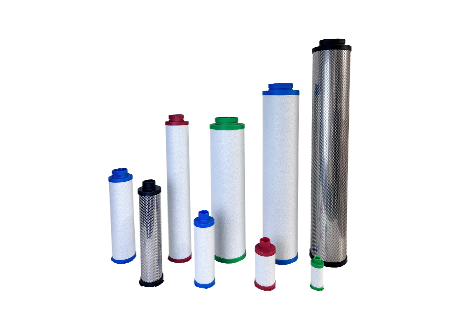
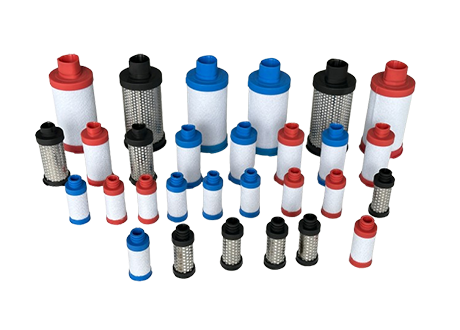
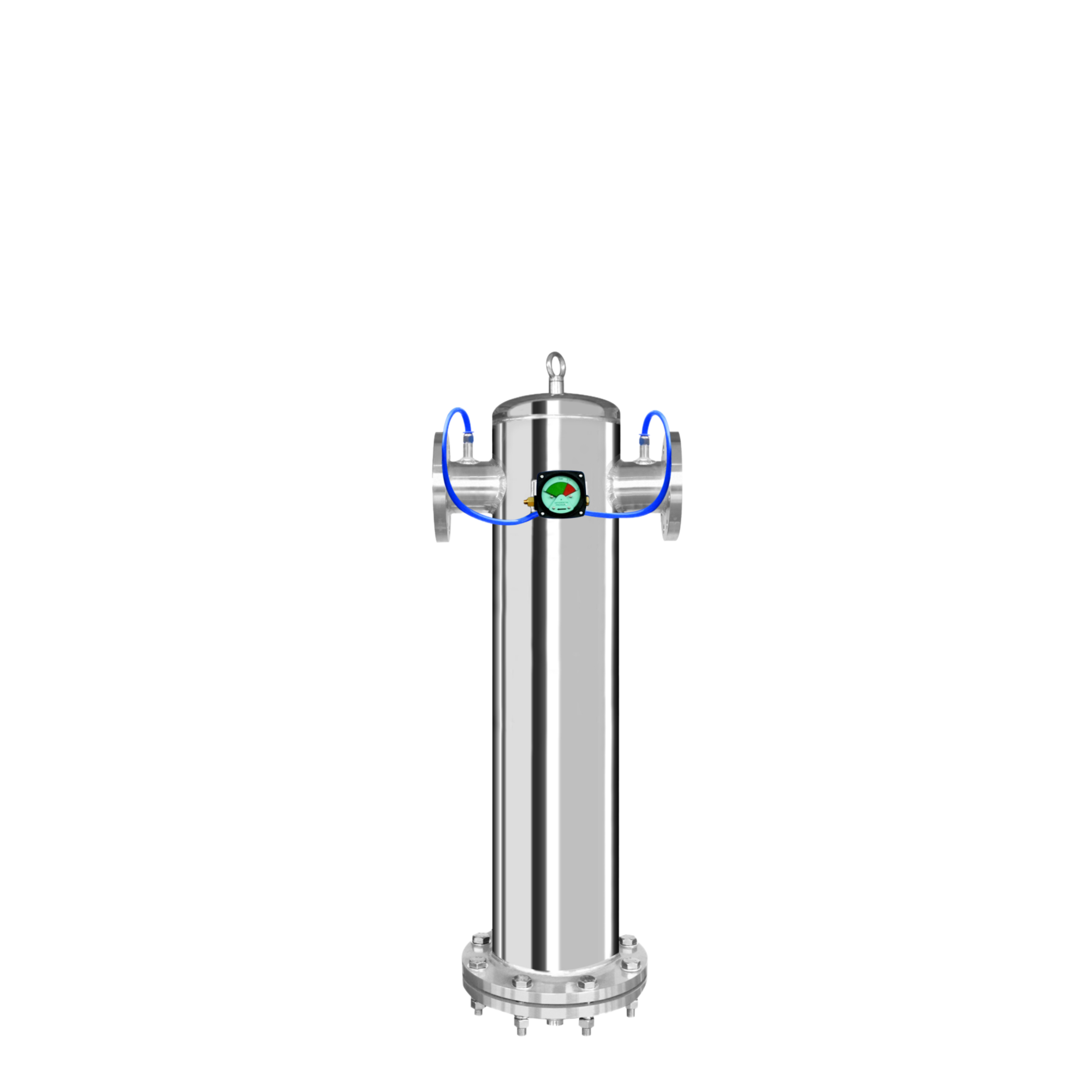
For consistent plant performance, rely on a stainless steel pipeline filter engineered for durability and efficiency. A flange pipeline filter offers advanced contaminant removal, while a custom pipeline filter can be tailored to your specific requirements, ensuring seamless integration with your system. The robust construction of a stainless steel pipeline filter, combined with a custom pipeline filter flange design, minimizes downtime and keeps your operations running smoothly. Selecting the right flange pipeline filter guarantees reliable, long-term results for your facility.
Key Takeaways
A stainless steel pipeline filter provides superior contaminant removal, protecting your equipment from harmful impurities and ensuring smooth operations.
Custom flange pipeline filters fit perfectly into existing systems, simplifying installation and reducing the risk of costly errors and downtime.
Investing in stainless steel filters lowers maintenance costs and extends service life, leading to significant long-term savings for your plant.
Enhanced Reliability with Stainless Steel Pipeline Filter
Superior Contaminant Removal for Equipment Protection
You face a constant challenge in protecting your plant’s equipment from harmful contaminants. A stainless steel pipeline filter delivers robust defense against both solid and liquid impurities that threaten compressors, valves, and sensitive machinery. When you choose a flange pipeline filter, you target common industrial contaminants such as:
Cause wear and damage to compressors and moving parts.
Liquid Contaminants
Lead to corrosion, blockages, and increased downtime.
A stainless steel pipeline filter stands out for its durability and filtration performance. Stainless meshes trap particles down to a few microns while maintaining excellent flow. Unlike polymer or paper filters, stainless steel does not leach harmful substances or microplastics into your system. You can rely on this non-reactive material for food, pharmaceutical, and high-purity applications. The custom pipeline filter design allows you to match the filter to your process, ensuring optimal contaminant removal and equipment protection.
Tip: Integrate a custom pipeline filter into your system to address unique process requirements and maximize contaminant removal efficiency.
Corrosion Resistance and Extended Service Life
Industrial environments often expose filtration systems to moisture, chemicals, and high temperatures. You need a solution that resists corrosion and maintains performance over time. Stainless steel pipeline filter housings, especially those made from 304 or 316 grades, offer exceptional resistance to rust and chemical attack. These filters perform reliably in saline, humid, or corrosive conditions, making them ideal for demanding US plant operations.
A flange pipeline filter constructed from stainless steel can withstand high pressure and temperature without deforming. This resilience ensures a long service life, even in harsh environments. Proper material selection and maintenance practices, such as dedicated fabrication areas and post-fabrication cleaning, further enhance corrosion resistance and operational reliability.
You benefit from a longer-lasting solution that reduces the frequency of replacements and minimizes the risk of unexpected failures.
Lower Maintenance and Replacement Costs
You want to keep your plant running efficiently while controlling operational expenses. A stainless steel pipeline filter offers significant advantages in total cost of ownership. The high mechanical strength and reusability of stainless steel mean you can clean and reuse the filter multiple times, reducing the need for frequent replacements. This durability translates into fewer shutdowns and lower labor costs.
Favor long-lasting filtration solutions, leading to lower overall costs
Reduces total cost of ownership
You also gain peace of mind knowing that a custom pipeline filter can be tailored to your plant’s exact needs, preventing installation errors and further lowering maintenance demands. By investing in a stainless steel pipeline filter with a flange pipeline filter design, you ensure reliable performance and cost savings for years to come.
Seamless Integration Using Custom Flange Pipeline Filter
You want every component in your plant to fit perfectly and function reliably. A custom flange pipeline filter ensures precise alignment with your existing pipeline layout. Manufacturers use advanced CAD modeling and review drawings to match your specifications. They select materials such as stainless steel, carbon steel, or alloy steel based on your process needs. Machining methods like laser cutting, water jet cutting, and precision drilling guarantee that each flange pipeline filter fits seamlessly into your system.
Engineers create or adapt models to match your pipeline dimensions.
Selecting suitable materials
You receive options like stainless steel for corrosion resistance.
Machining and cutting
Precision methods ensure a perfect fit and reliable sealing.
Compliance with standards
Filters meet ANSI/ASME and AWWA requirements for safety and performance.
You avoid the headaches of retrofitting or modifying standard filters. The custom pipeline filter integrates smoothly, supporting both new installations and upgrades in your facility.
Simplified Installation and Maintenance
You save valuable time and resources when you choose a custom flange pipeline filter. The design process considers alignment, spacing, and bolting torque, which simplifies installation. You do not need to worry about mismatched flanges or complex adjustments. The filter arrives ready for direct installation, reducing the risk of errors.
Precise alignment ensures a straightforward installation process.
Compliance with technical standards means you meet industry requirements without extra steps.
The filter handles your specific pressure ratings and material needs.
You also benefit from easier maintenance. The custom design allows for quick removal and replacement during scheduled shutdowns. You keep your plant running efficiently with less effort.
Tip: Schedule regular inspections to maximize the lifespan of your stainless steel pipeline filter flange pipeline filter custom pipeline filter and maintain peak system performance.
Minimized Downtime from Installation Errors
You know that downtime can cost your plant thousands of dollars per hour. Custom flange pipeline filters address common installation challenges that standard filters cannot. They eliminate issues such as misalignment, improper spacing, and incorrect bolting torque. You reduce the risk of leaks and failures by using a filter built to your exact specifications.
Pressure ratings are tailored for both normal operation and emergency conditions.
Installation details, including alignment and bolting, are optimized for your system.
Custom flange pipeline filters also support faster commissioning and startup. During new installations or retrofits, these filters capture debris like welding slag and scale. You protect critical machinery and ensure a smoother, faster startup process. Compliance with industry regulations, such as ASME B31.3, gives you confidence in the safety and reliability of your system.
Compliance Standard
Description
ASME B31.3
Ensures your piping and filtration meet strict safety and material standards.
You minimize costly delays and keep your operations on track with a solution designed for your plant’s unique requirements.
You gain advanced contaminant removal, stainless steel durability, and seamless flange integration with a custom pipeline filter. US plant engineers report over 98.5% impurity removal, GMP-level fluid cleanliness, and a 60% drop in maintenance frequency. Evaluate your system and upgrade for reliable performance and long-term savings.
FAQ
What industries benefit most from a custom flange pipeline filter?
You see the greatest impact in semiconductor, pharmaceutical, food, and chemical plants. These industries demand high-purity, reliable, and corrosion-resistant filtration solutions.
How often should you inspect a stainless steel pipeline filter?
You should inspect your filter every three to six months. Regular checks help you maintain peak performance and prevent unexpected downtime.
Can you clean and reuse a stainless steel pipeline filter?
Yes. You can clean and reuse stainless steel filters multiple times. This reduces your replacement costs and supports sustainable plant operations.
This website uses cookies to provide you with a safer and more personal experience. By accepting, you agree to the Cookie Policy and the use of cookies for advertising and analytics purposes.



 Join us
 After-sale service
 News
News