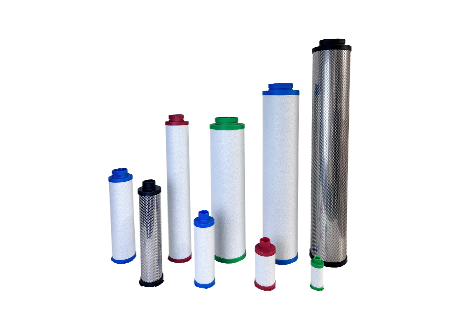
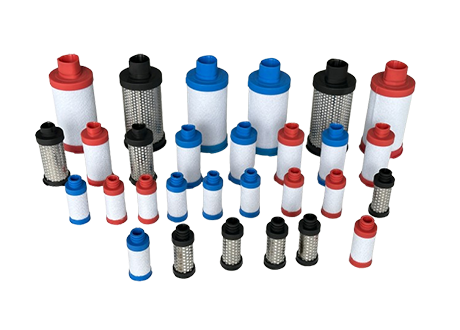
The Growing Importance of High-Flow Compressed Air Filtration
Compressed air plays a critical role in manufacturing, processing, assembly operations, and pneumatic power transmission. As production facilities continue to increase output and improve operational efficiency, airflow demand has grown significantly. Larger equipment, higher production speeds, and more intensive pneumatic applications require filtration equipment capable of handling greater air volumes without compromising air quality.
In high-flow environments, contaminants move through pipelines more rapidly and can affect a larger number of downstream components. Dust, rust particles, oil aerosols, condensed moisture, and pipeline debris may gradually reduce equipment efficiency and increase maintenance requirements. For this reason, selecting an appropriate filtration solution has become an important part of compressed air management.
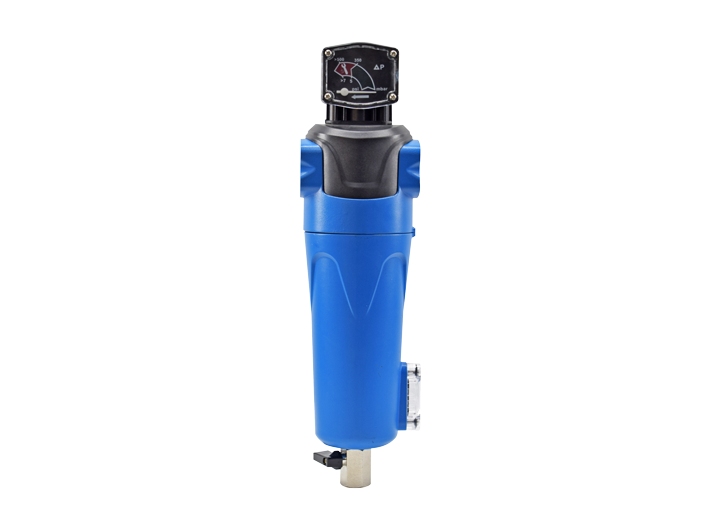
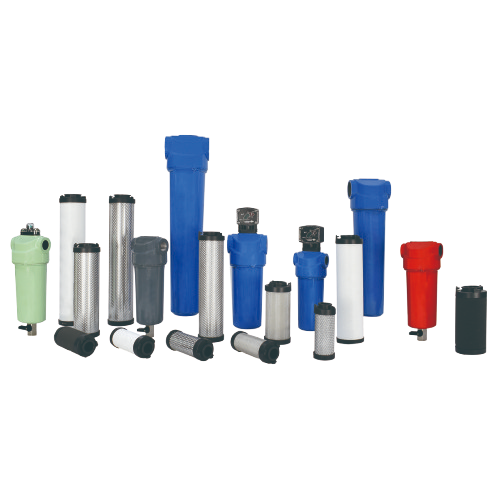
The ACF filter has been developed to address these challenges by combining robust housing construction, multiple filtration grades, and efficient airflow performance. Its design focuses on maintaining air cleanliness while supporting demanding airflow requirements across a wide range of industrial applications.
Why Air Quality Matters in High-Flow Applications
Many operators focus primarily on compressor performance when evaluating compressed air quality. While compressor efficiency is certainly important, filtration quality often has an equally significant impact on operational reliability.
Contaminants carried within compressed air can create numerous challenges. Fine particles may enter valves and actuators, moisture can contribute to corrosion, and oil aerosols can interfere with sensitive production processes. As airflow increases, the movement and accumulation of these contaminants become more difficult to control.
Poor air quality can result in:
| Potential Issue | Operational Impact |
|---|
| Particle contamination | Accelerated component wear |
| Excess moisture | Corrosion and equipment damage |
| Oil carryover | Reduced product quality |
| Pressure instability | Inconsistent equipment performance |
| Blocked passages | Reduced airflow efficiency |
A properly selected air filter for compressed air applications helps minimize these risks while improving the overall reliability of pneumatic equipment.
Engineering Features Behind ACF Filter Performance
The effectiveness of any filtration solution depends on more than simply capturing contaminants. Filtration equipment must also maintain airflow stability, resist pressure fluctuations, and support long-term operation.
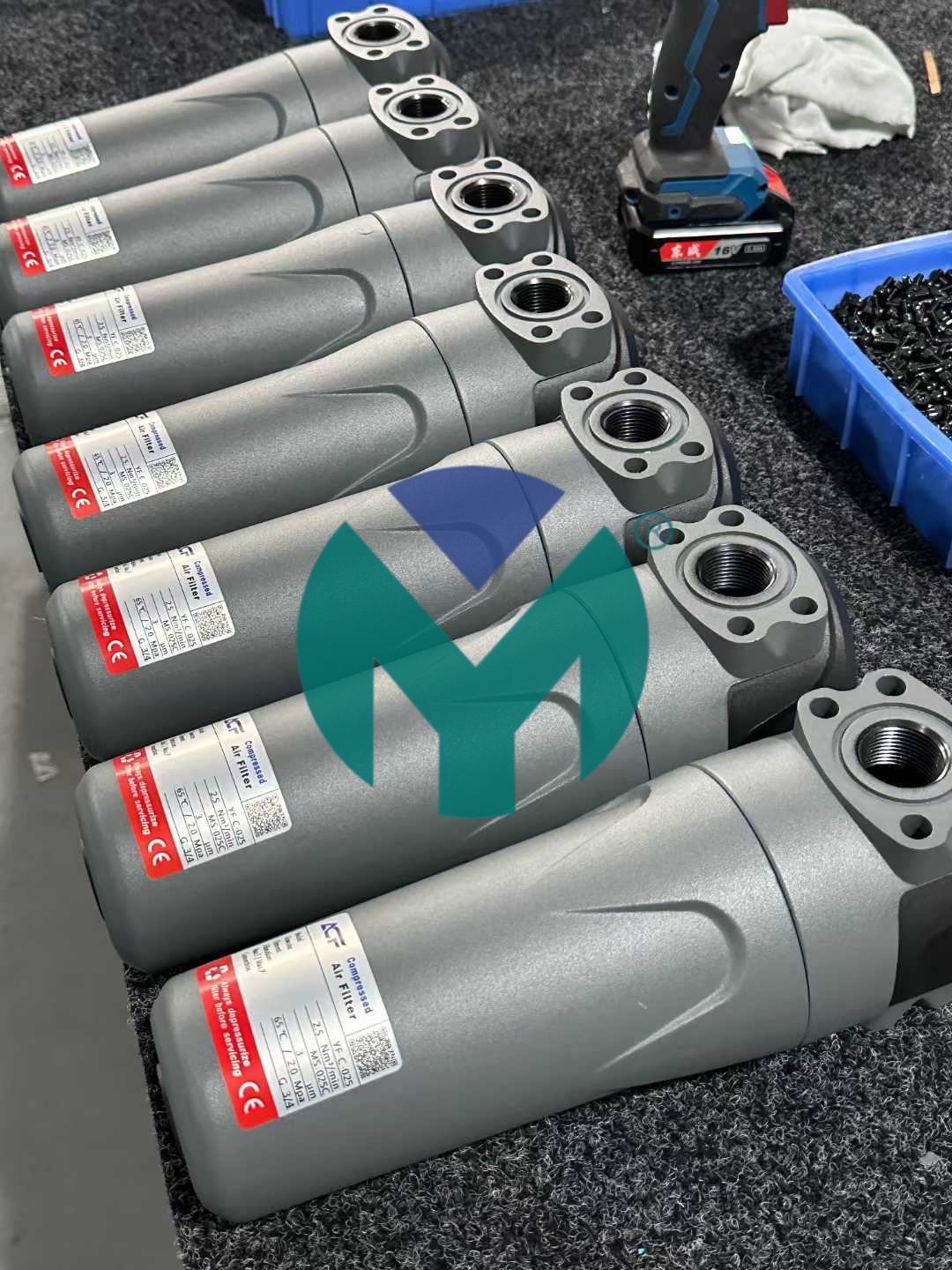
The ACF filter utilizes a precision die-cast housing manufactured from aviation-grade silicon aluminum alloy. This construction provides excellent mechanical strength while maintaining a lightweight structure suitable for industrial installation requirements.
The housing design supports stable airflow distribution throughout the filtration chamber. By reducing unnecessary turbulence, the filter can maintain filtration efficiency while minimizing pressure loss. This balance becomes particularly important in facilities where compressed air consumption remains high throughout daily production activities.
The filtration process itself follows a staged approach. Larger contaminants are removed first, allowing finer filtration media to focus on capturing microscopic particles and aerosols. This progressive design improves contaminant retention while extending filter element lifespan.
Filtration Grades for Different Air Purity Requirements
Not every production environment requires the same level of air cleanliness. Different industries operate under unique conditions and quality expectations, making filtration flexibility essential.
The ACF filter series offers multiple filtration grades to address varying operational needs.
Pre-Filtration for Primary Contaminant Removal
Initial filtration stages focus on capturing larger particles such as rust, scale, and dust. Removing these contaminants early helps protect downstream equipment and extends the service life of finer filtration media.
Pre-filtration is particularly valuable in facilities where pipeline contamination may be present due to aging infrastructure or challenging environmental conditions.
Intermediate Filtration for Enhanced Air Quality
After larger contaminants are removed, intermediate filtration stages target smaller particles that could affect equipment performance. This stage improves overall air cleanliness and provides additional protection for sensitive pneumatic components.
Many facilities utilize this filtration level as part of a comprehensive air treatment strategy.
Fine Filtration for Precision Applications
Applications requiring higher air quality standards often benefit from fine filtration technology. At this level, filtration media can capture extremely small contaminants that may otherwise reach production equipment.
A high-quality compressed air precision filter is commonly selected for production environments where cleanliness directly influences operational accuracy and product consistency.
Activated Carbon Filtration
Certain applications require the removal of oil vapors and odors in addition to particulate contaminants. Activated carbon filtration technology provides an additional purification stage that enhances overall air quality.
This solution is frequently used when compressed air comes into direct or indirect contact with sensitive production processes.
The Relationship Between Airflow Capacity and Filtration Efficiency
One common misconception is that higher filtration efficiency automatically creates excessive airflow restriction. In reality, advancements in filter media technology have significantly improved the relationship between filtration performance and airflow capacity.
The ACF filter is designed to support high airflow rates while maintaining efficient contaminant removal. Careful engineering of internal airflow paths allows air to pass through filtration media more evenly, reducing localized pressure drops and improving overall efficiency.
Several factors influence this balance:
When these elements work together effectively, filtration equipment can achieve excellent air quality without compromising operational performance.
Protecting Pneumatic Equipment Through Effective Filtration
Pneumatic devices rely on clean compressed air for consistent operation. Even small amounts of contamination can gradually affect performance over time.
Particles entering valves may contribute to wear on internal surfaces. Moisture can affect lubrication and increase corrosion risk. Oil contamination may interfere with sensors and precision control equipment.
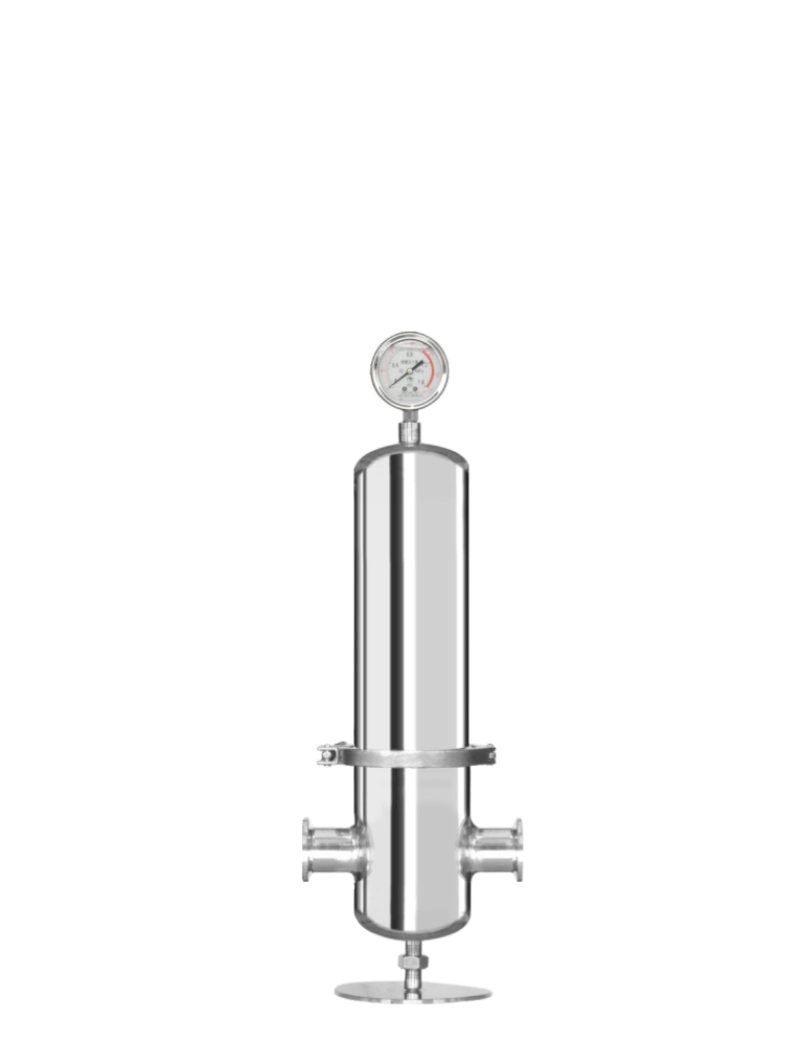
An efficient air line filter for compressor installations helps reduce contaminant exposure and supports long-term equipment protection.
Benefits often include:
Reduced maintenance frequency
Improved operational consistency
Extended component lifespan
Lower replacement costs
Increased productivity
For facilities operating around the clock, these advantages can significantly influence overall operational efficiency.
Energy Efficiency Considerations
Compressed air remains one of the most energy-intensive utilities used in industrial environments. Any factor that increases compressor workload can directly affect operating costs.
Filtration performance influences energy consumption through pressure loss. As filter elements become contaminated, airflow resistance increases, requiring compressors to work harder to maintain desired pressure levels.
A well-designed ACF filter minimizes this challenge through efficient airflow management and optimized filter media utilization.
Key energy-related benefits include:
Reduced differential pressure
Improved airflow stability
Lower compressor workload
Better operational efficiency
Reduced energy expenditure
Over time, these improvements can contribute to meaningful cost savings while supporting environmental sustainability objectives.
Applications Across Multiple Industries
The versatility of the ACF filter allows it to support numerous industrial sectors.
Manufacturing Facilities
Production environments rely heavily on compressed air for powering machinery, automation equipment, and pneumatic tools. Effective filtration helps maintain operational continuity and protect valuable assets.
Electronics Production
Electronic manufacturing often requires higher air purity standards. Fine contaminant control helps support precision assembly processes and reduce contamination-related defects.
Food and Beverage Processing
Air quality can directly influence production hygiene and equipment reliability. Filtration helps minimize contamination risks and supports quality objectives.
Pharmaceutical Operations
Many pharmaceutical processes require exceptionally clean compressed air. Precision filtration contributes to maintaining strict production standards.
Metal Processing
Metal fabrication facilities often generate airborne particles that can enter compressed air networks. Appropriate filtration helps protect equipment and maintain airflow quality.
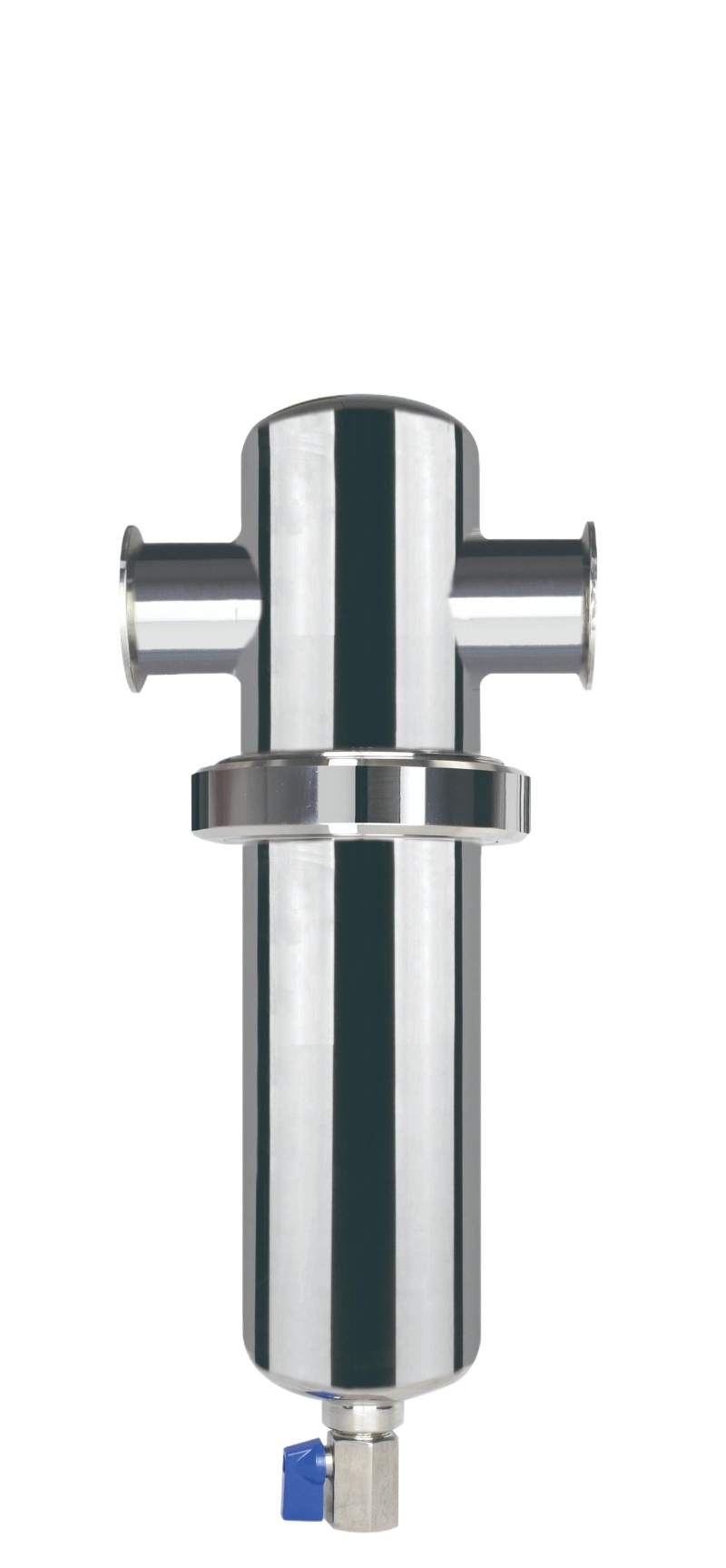
Across these industries, selecting a reliable industrial air compressor air filter contributes to greater operational stability and improved equipment protection.
Maintenance Practices That Improve Filter Performance
Even the highest-quality filtration equipment requires routine maintenance to deliver optimal results.
Regular inspections allow operators to identify contamination buildup before performance declines significantly. Monitoring differential pressure can provide valuable insight into filter condition and replacement timing.
Recommended maintenance practices include:
Scheduled Element Replacement
Replacing filter elements before excessive contamination accumulates helps preserve airflow efficiency and filtration accuracy.
Condensate Management
Removing collected moisture prevents contamination from re-entering the airflow stream and supports filtration effectiveness.
Pressure Monitoring
Differential pressure indicators help operators determine when service is required, reducing the risk of unexpected performance issues.
Inspection of Connections
Routine inspection of seals, fittings, and connections helps maintain proper filtration performance and prevent leakage.
These preventive maintenance measures contribute to longer equipment lifespan and more consistent air quality.
Choosing the Right Filtration Partner
Filtration performance depends not only on product design but also on manufacturing quality. Working with an experienced compressor filter manufacturer helps ensure reliable product performance and consistent production standards.
Factors worth considering include:
As a professional filtration supplier, Wuxi Yuanmei focuses on delivering filtration solutions that meet the demands of industrial compressed air applications while supporting long-term operational reliability.
Future Developments in Compressed Air Filtration
The future of industrial filtration continues to evolve alongside advances in automation and production technology. Higher airflow demands, stricter air quality requirements, and increasing energy efficiency targets are driving innovation throughout the filtration industry.
Emerging developments include improved filter media structures, enhanced contamination monitoring technologies, and more efficient airflow management designs. These innovations aim to provide greater filtration accuracy while reducing operational costs and maintenance requirements.
As industrial facilities continue to pursue higher productivity and cleaner production environments, advanced filtration solutions will play an increasingly important role in maintaining equipment reliability and operational performance.
Conclusion
High-flow compressed air applications place significant demands on filtration equipment. Maintaining clean air while supporting large airflow volumes requires a carefully engineered balance between filtration efficiency, pressure management, and operational durability.
The ACF filter addresses these requirements through durable construction, multiple filtration grades, efficient airflow characteristics, and flexible application compatibility. By reducing contamination, protecting pneumatic equipment, improving energy efficiency, and supporting consistent production performance, it serves as a valuable component in industrial compressed air treatment.
For manufacturers seeking dependable filtration performance in demanding operating conditions, Wuxi Yuanmei provides professional solutions designed to meet the evolving needs of high-flow compressed air applications.
FAQ
What is the primary purpose of an ACF filter?
An ACF filter removes solid particles, moisture, oil aerosols, and other contaminants from compressed air, helping protect downstream equipment and improve air quality.
How does a compressed air precision filter differ from standard filtration?
A compressed air precision filter captures much smaller particles and aerosols, making it suitable for applications requiring higher air purity levels.
Why is an air line filter for compressor installations important?
It prevents contaminants from reaching pneumatic devices, reducing wear, improving reliability, and extending equipment lifespan.
Can an ACF filter improve energy efficiency?
Yes. By maintaining low pressure loss and stable airflow characteristics, it helps reduce compressor workload and energy consumption.
How often should filter elements be replaced?
Replacement intervals depend on operating conditions, contamination levels, and airflow demand. Monitoring differential pressure is one of the most effective methods for determining replacement timing.



 Join us
 After-sale service
 News
News