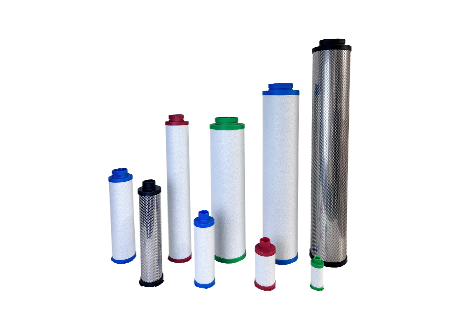
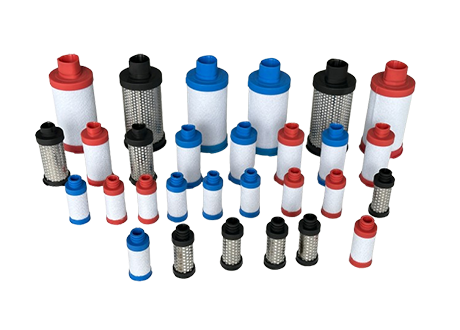
Why Precision Compressed Air Filtration Matters for Industrial Equipment
Compressed air is widely used across manufacturing, automation, electronics, food processing, pharmaceutical production, and precision engineering industries. However, untreated compressed air often contains oil aerosols, dust particles, moisture, and other contaminants that can reduce equipment performance and affect final product quality. A precision compressed air filter plays an essential role in removing these impurities and maintaining cleaner air for demanding industrial operations.
Contaminated compressed air can create hidden costs by increasing maintenance frequency, shortening component lifespan, and causing unstable operation of pneumatic equipment. Even small particles or oil residues may affect sensitive machinery, valves, cylinders, and production processes. By improving air purity and reducing contamination risks, precision filtration helps companies achieve more consistent operation and better equipment protection.
Wuxi Yuanmei focuses on providing high-quality filtration solutions designed to support industries requiring stable compressed air quality. Through efficient separation technology and durable filter structures, its filtration products help users control contamination and maintain reliable air performance in various industrial environments.
How Precision Compressed Air Filter Technology Removes Harmful Contaminants
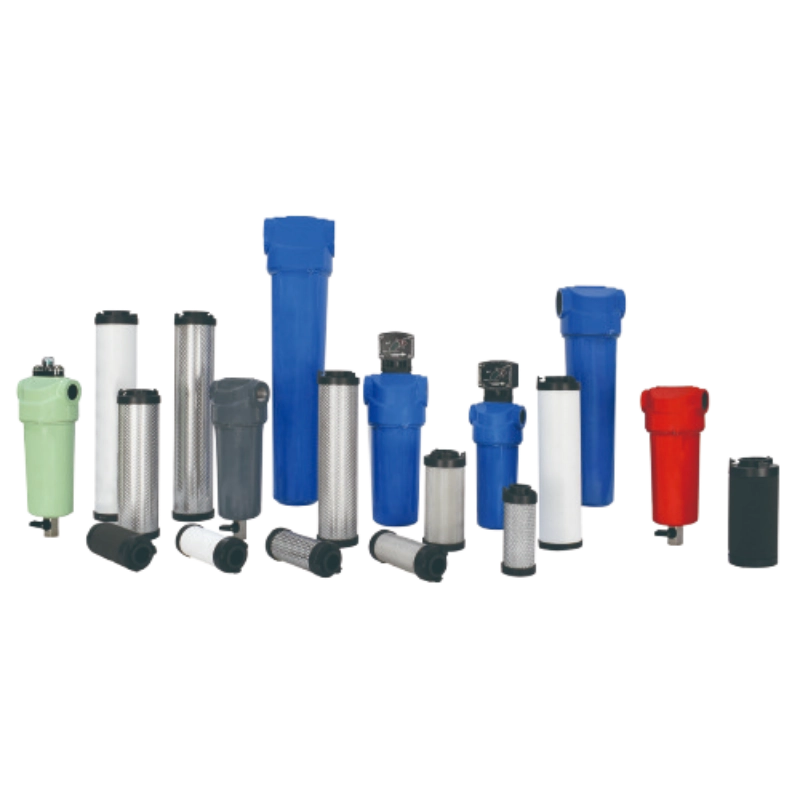
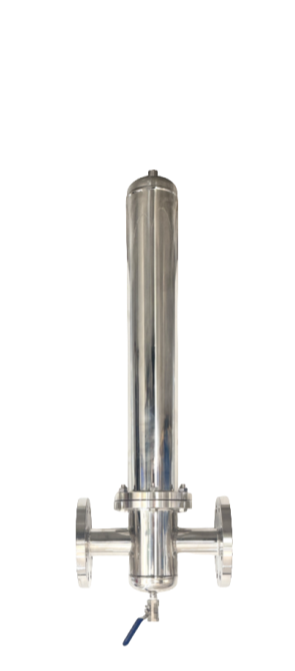
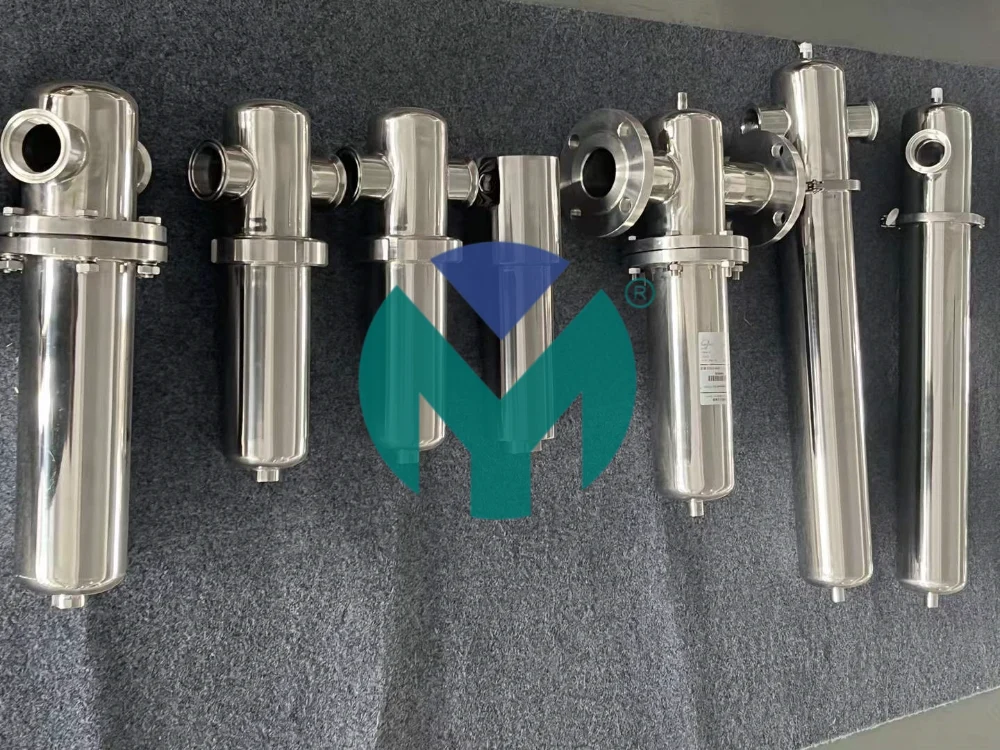
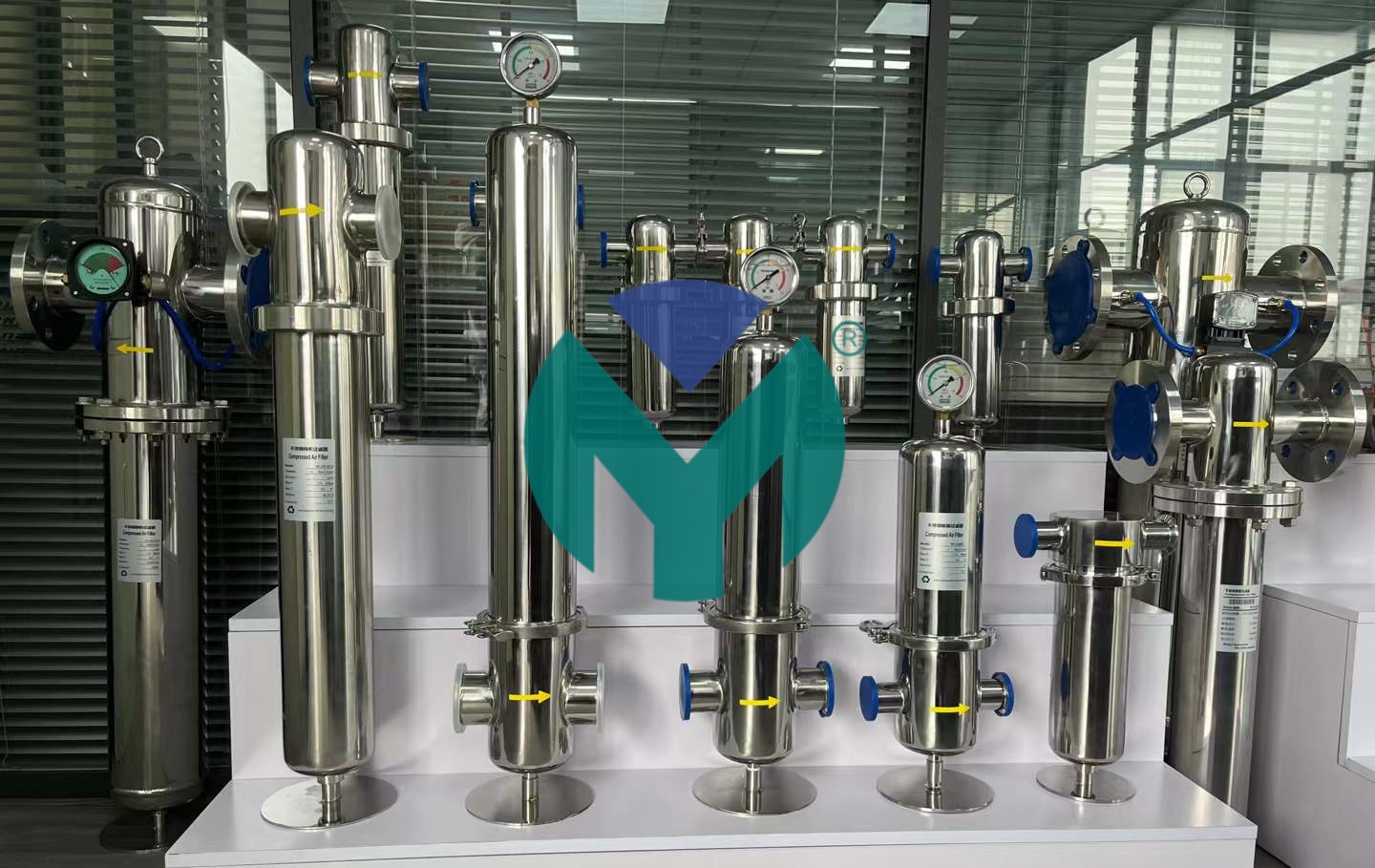
A precision compressed air filter is designed to capture different types of pollutants that enter compressed air during compression, storage, and transportation. Unlike basic filtration methods, precision filtration focuses on controlling extremely small contaminants that may affect downstream equipment and production accuracy.
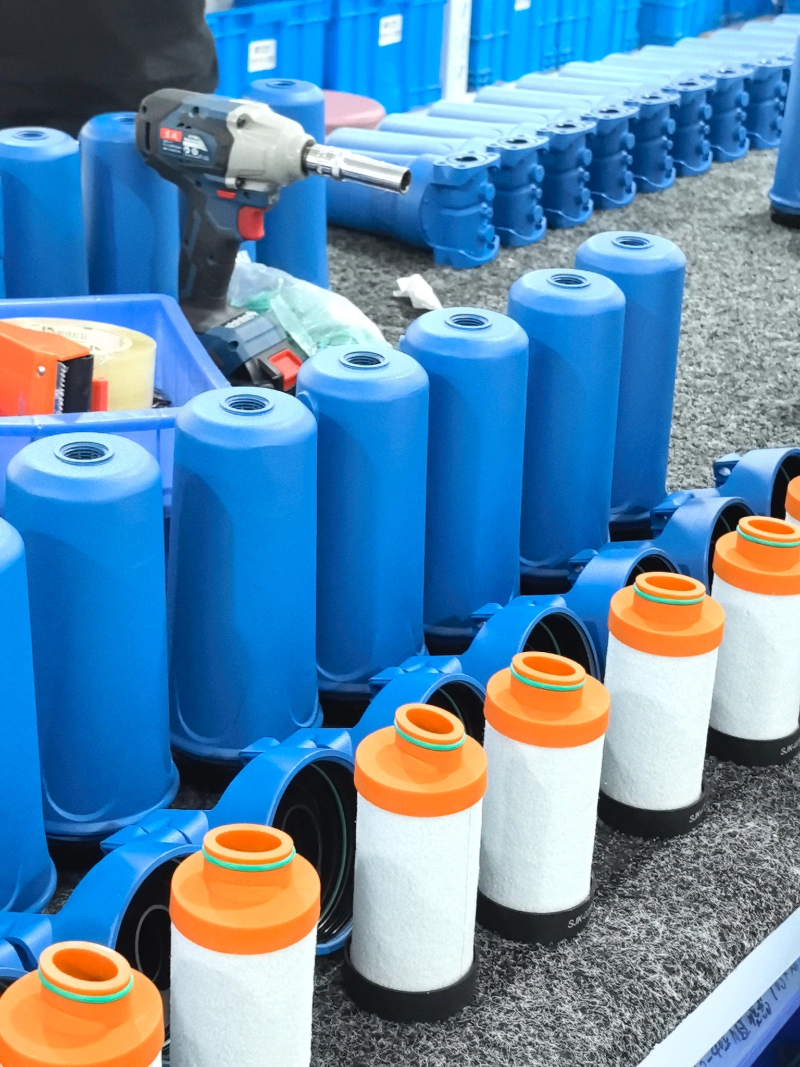
The filtration process typically involves multiple separation principles, including mechanical interception, coalescing filtration, and particle retention. These technologies allow the filter element to collect oil mist, solid particles, and moisture droplets while allowing clean compressed air to pass through efficiently.
The main contaminants removed by industrial compressed air filters include:
| Contaminant Type | Potential Impact on Equipment | Filtration Purpose |
|---|
| Oil aerosols | Causes component wear and product contamination | Removes oil mist and liquid particles |
| Dust particles | Blocks pneumatic components and affects accuracy | Captures solid impurities |
| Moisture droplets | Leads to corrosion and unstable operation | Separates condensed water |
| Fine particles | Damages precision components | Provides high-efficiency filtration |
Effective contaminant removal helps maintain air cleanliness and reduces the possibility of unexpected equipment problems. For industries where air quality directly influences production results, choosing the right compressed air filtration solution is a critical step.
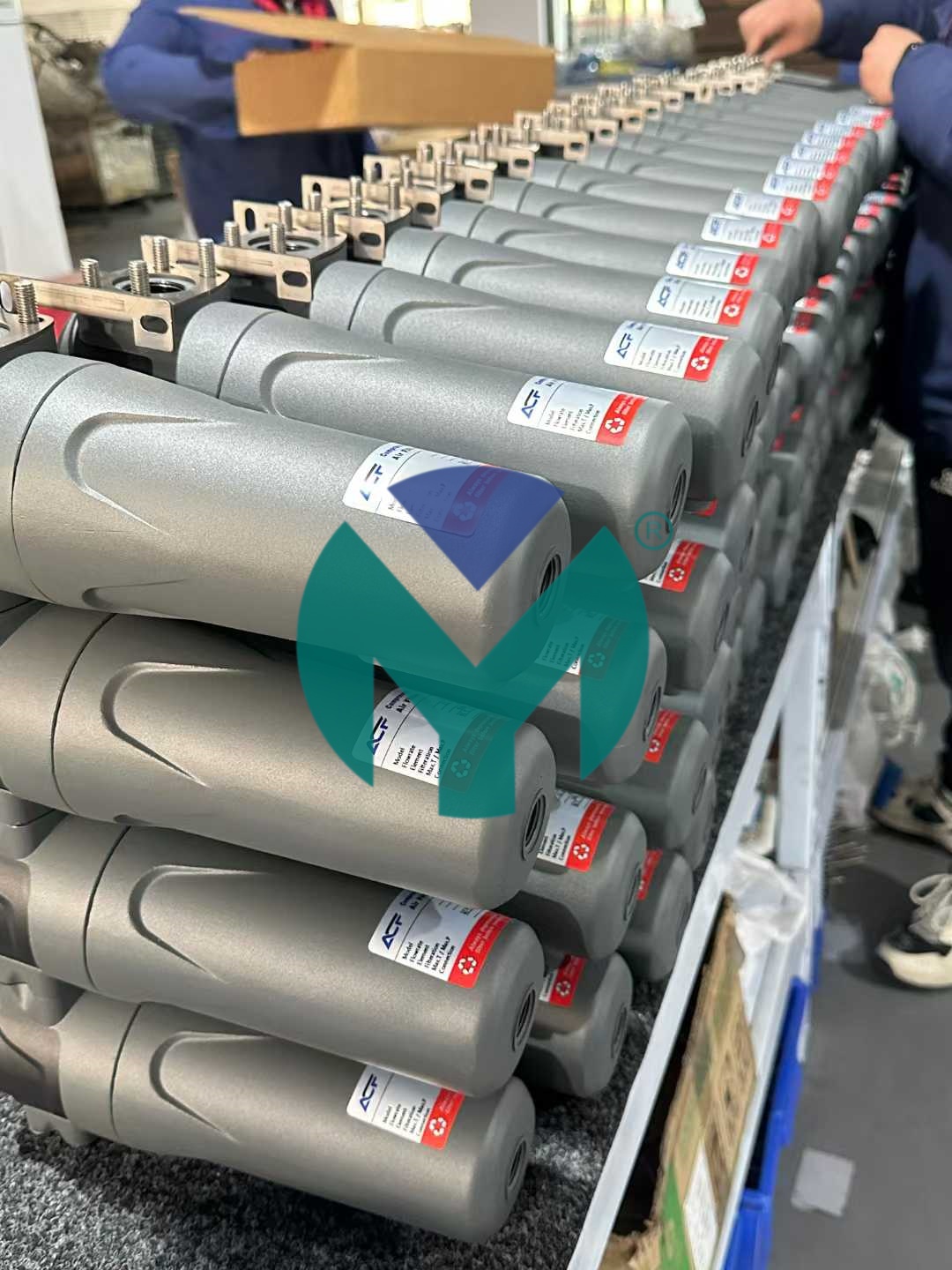
Protecting Equipment Through Advanced Air Purity Management
Industrial equipment often depends on clean compressed air to operate smoothly. When oil and particles enter pneumatic components, they can create friction, blockage, corrosion, and performance degradation. A reliable precision compressed air filter helps prevent these issues by continuously reducing harmful contaminants before they reach sensitive equipment.
One of the major advantages of precision filtration is improved equipment durability. Cleaner air reduces contamination accumulation inside valves, actuators, and air-operated tools, helping maintain stable operation and extending service intervals. This not only improves productivity but also lowers long-term maintenance requirements.
For manufacturers, air quality management is closely connected with operational efficiency. Poor filtration may result in pressure fluctuations, increased energy consumption, and unnecessary replacement costs. High-performance filtration solutions help create a cleaner air supply that supports safer and more predictable industrial processes.
Choosing the Right Precision Compressed Air Filter for Industrial Applications
Selecting a suitable precision compressed air filter requires consideration of several factors, including air quality requirements, operating conditions, contamination levels, and application needs. Different industries may have different expectations for particle removal efficiency, oil separation capability, and maintenance performance.
A proper filtration solution should balance filtration accuracy with airflow efficiency. Excessive pressure loss may increase operating costs, while insufficient filtration may fail to provide adequate protection. Therefore, businesses need to evaluate both technical performance and long-term operating benefits.
Important selection considerations include:
| Selection Factor | Importance |
|---|
| Filtration efficiency | Determines contaminant removal capability |
| Pressure drop control | Helps maintain energy efficiency |
| Material durability | Supports stable long-term operation |
| Maintenance convenience | Reduces downtime during filter replacement |
| Application requirements | Ensures suitable air cleanliness levels |
A professional compressed air filter manufacturer can help customers select appropriate filtration solutions based on specific production requirements. Wuxi Yuanmei provides filtration products designed for industrial environments where clean air quality and reliable performance are essential.
Applications of Precision Air Filtration in Different Industries
A precision air filter for compressed air applications is widely used in industries where contamination control directly affects equipment reliability and product quality. Manufacturing facilities, automation processes, electronics production, and other industries rely on efficient filtration to maintain stable compressed air performance.
In pneumatic manufacturing operations, clean air helps protect moving components and improves operational consistency. In industries requiring high cleanliness standards, filtration helps reduce the influence of oil particles and dust on sensitive processes.
Common application fields include:
Industrial automation equipment
Precision machinery manufacturing
Electronics and semiconductor production
Laser processing equipment
Pharmaceutical and food-related production
Pneumatic control applications
As industrial requirements continue to increase, the demand for reliable compressed air purification solutions is also growing. Companies are paying more attention to filtration efficiency, operating costs, and equipment protection when selecting compressed air treatment products.
Reducing Maintenance Costs with Efficient Compressed Air Purification
Equipment maintenance is a major concern for many industrial users. Contaminated air can accelerate wear and increase the frequency of repairs, leading to production interruptions and higher operating expenses. Installing a suitable precision compressed air filter helps reduce these risks by controlling contamination at the air preparation stage.
Cleaner compressed air allows pneumatic components to operate with less resistance and fewer contamination-related failures. Over time, this contributes to improved equipment stability and reduced maintenance workload.
The economic benefits of efficient filtration include:
Longer service life of pneumatic components
Reduced contamination-related failures
Lower replacement frequency of equipment parts
More stable production performance
Improved overall operational efficiency
Rather than treating filtration as a simple accessory, many manufacturers now consider air purification an important investment for protecting valuable equipment and maintaining production reliability.
Key Factors That Influence Long-Term Filter Performance
The performance of a precision compressed air filter depends not only on filtration technology but also on proper selection, installation, and maintenance practices. A high-quality filter should maintain stable efficiency throughout its service period while minimizing airflow resistance.
Regular inspection and timely replacement of filter elements are important for maintaining filtration effectiveness. When filters become overloaded with contaminants, airflow resistance may increase and affect compressed air performance.
The following practices help maintain better filtration results:
Select filtration products according to air quality requirements.
Monitor pressure changes during operation.
Replace filter elements before excessive contamination occurs.
Maintain clean installation conditions.
Choose filtration solutions from experienced manufacturers.
Wuxi Yuanmei combines filtration expertise with industrial application knowledge to provide compressed air purification solutions that support stable operation and equipment protection.
Future Trends in Industrial Compressed Air Filtration
The demand for efficient compressed air purification continues to grow as industries focus more on production reliability, energy efficiency, and quality control. Future filtration solutions will place greater emphasis on higher separation efficiency, longer service life, and easier maintenance.
Companies are increasingly looking for filtration products that not only remove contaminants but also contribute to sustainable and cost-effective operations. A well-designed precision compressed air filter can help industries achieve cleaner air quality while reducing unnecessary operational losses.
With increasing attention toward industrial reliability, compressed air filtration will remain an important part of equipment protection and manufacturing efficiency. Choosing dependable filtration products from experienced suppliers such as Wuxi Yuanmei helps businesses maintain cleaner air and stronger operational performance.
FAQ
What does a precision compressed air filter remove?
A precision compressed air filter removes contaminants such as oil aerosols, dust particles, moisture droplets, and other impurities from compressed air. It helps improve air cleanliness and protects downstream equipment.
Why is a precision compressed air filter important for industrial equipment?
A precision compressed air filter reduces contamination entering pneumatic equipment, helping prevent wear, corrosion, and performance problems. It supports longer equipment lifespan and more stable operation.
How often should a compressed air filter be replaced?
Replacement frequency depends on operating conditions, contamination levels, and usage requirements. Regular monitoring of filtration performance helps determine the appropriate replacement time.
How does Wuxi Yuanmei support compressed air filtration needs?
Wuxi Yuanmei provides industrial filtration solutions focused on efficient contaminant removal, stable performance, and equipment protection for customers requiring reliable compressed air quality.


 Join us
 After-sale service
 News
News