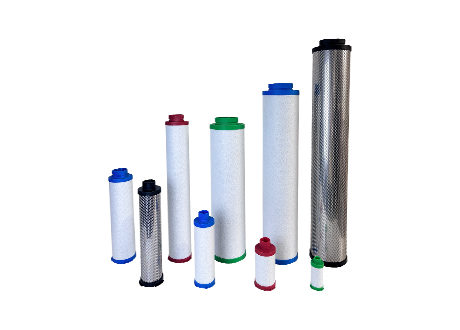
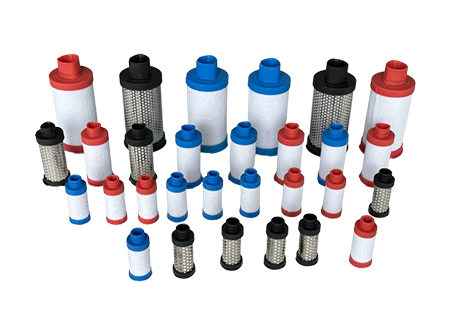
Why Filtration Efficiency Matters for Compressed Air Quality
Compressed air is widely used in manufacturing, laser cutting, electronics production, and surface treatment. However, compressed air can carry oil aerosols, water droplets, and solid particles that affect product quality and equipment performance. Without appropriate filtration, these contaminants may enter pneumatic components, damage sensitive equipment, and increase maintenance requirements. Effective compressed air filters solutions help control contamination while supporting stable air quality and efficient operation.
For industrial buyers, filtration performance should not be evaluated by particle removal alone. Pressure loss, filter service life, maintenance frequency, and compatibility with operating conditions also influence the total cost of compressed air production. Wuxi Yuanmei provides replacement filter elements designed to help industrial users maintain reliable filtration, reduce unnecessary energy consumption, and manage ongoing maintenance expenses.
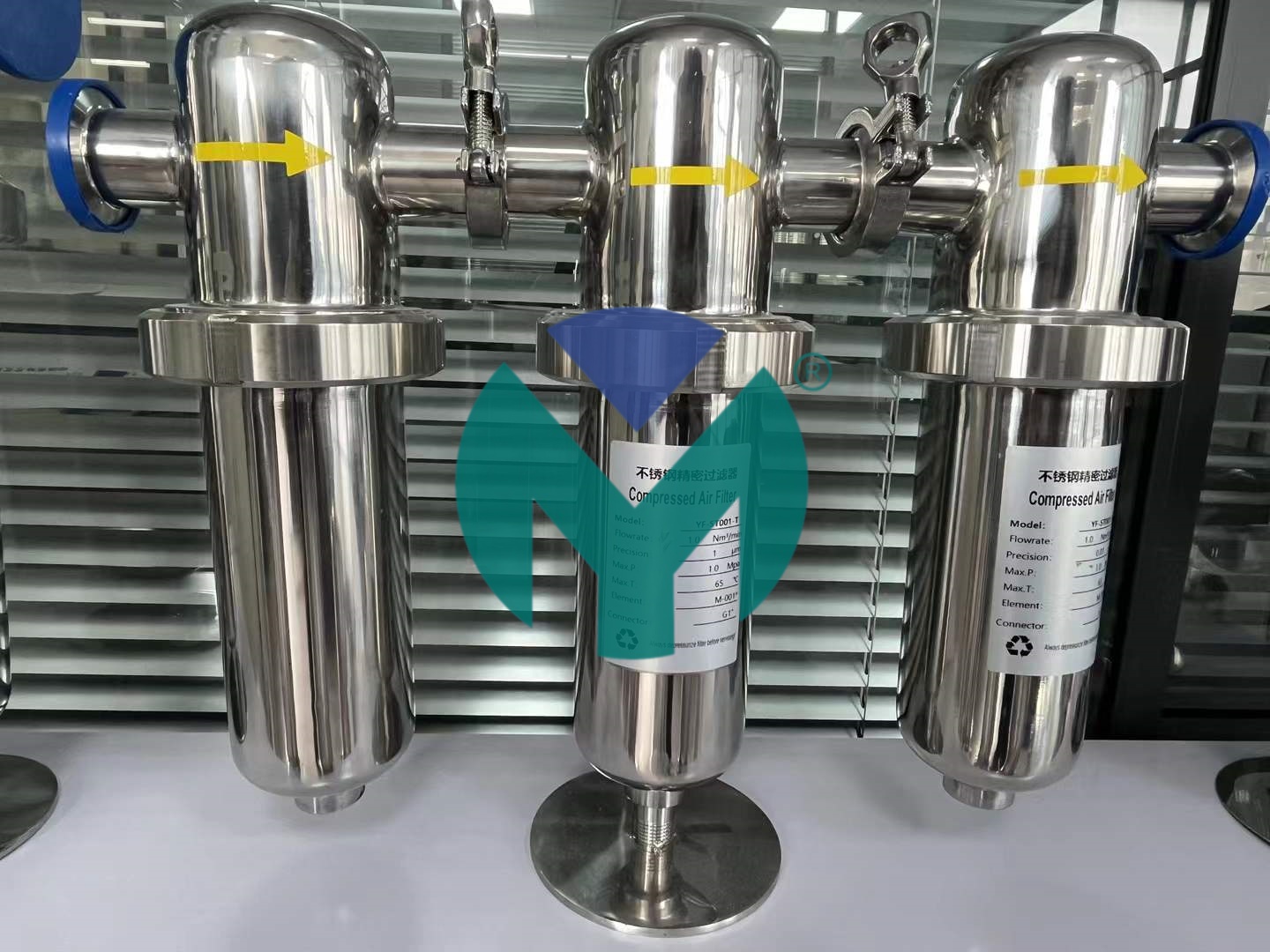
How Compressed Air Filtration Helps Reduce Energy Costs
Pressure drop is an important factor when evaluating compressed air filters. As air passes through a filter element, resistance to airflow creates a pressure difference between the inlet and outlet. Excessive resistance can require additional compressor output to maintain the pressure needed by downstream equipment, increasing electricity consumption.
Selecting a low pressure drop compressed air filter element helps reduce this avoidable energy burden. Filter condition also matters because accumulated contaminants can gradually increase airflow resistance. Regular inspection and timely replacement help maintain filtration performance and prevent an overloaded element from contributing to higher operating costs.
| Filtration factor | Operational impact | Recommended approach |
|---|
| Pressure drop | Influences compressor energy demand | Select low-resistance filter elements |
| Contaminant retention | Affects downstream air quality | Match filtration performance to air requirements |
| Service life | Influences replacement frequency | Follow operating conditions and maintenance guidance |
| Filter compatibility | Affects sealing and filtration reliability | Verify dimensions and application requirements |
Selecting the Right Industrial Air Filter Elements
Choosing suitable filter elements requires an understanding of the contaminants present, the required air quality, and the operating environment. Different applications may need different levels of particulate and oil aerosol removal. A filter intended for general industrial air may not provide the same protection required by precision manufacturing or processes with strict contamination limits.
Buyers should consider filtration efficiency, rated airflow, operating pressure, temperature, and connection dimensions together rather than relying on a single specification. Compatibility with the existing filter housing is equally important because incorrect dimensions or poor sealing can allow untreated air to bypass the filtration media.
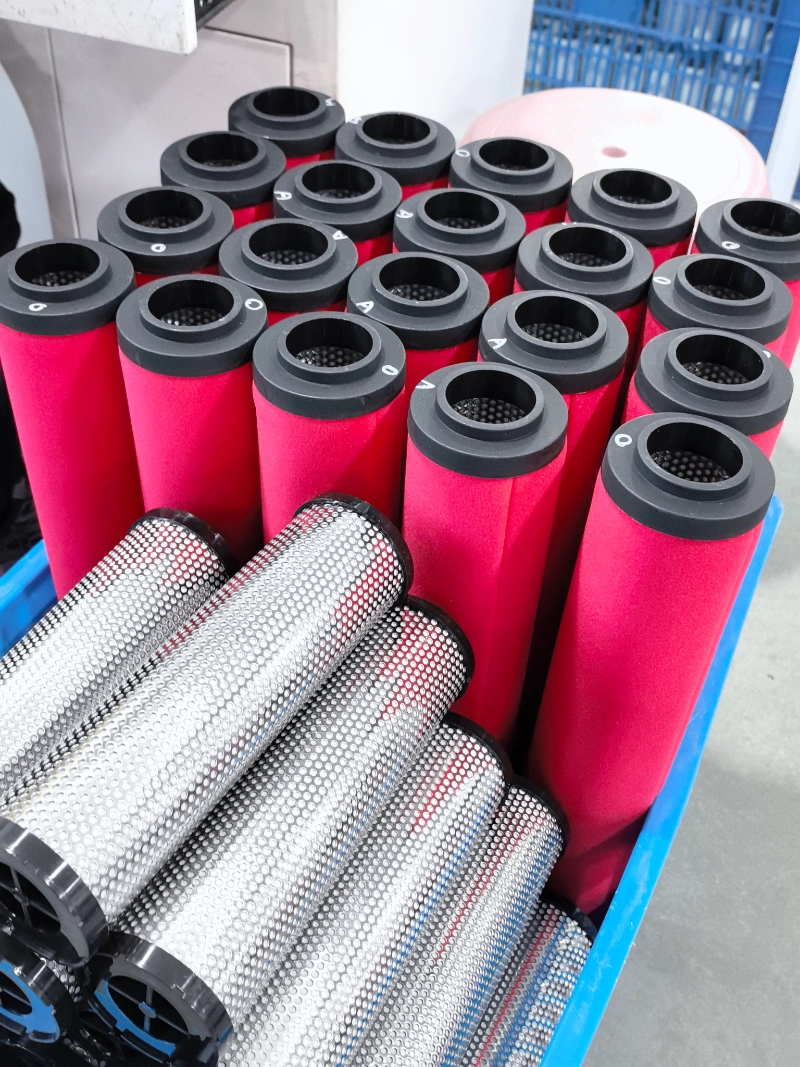
For replacement purchasing, confirming the original element reference, housing details, and operating conditions can help prevent installation problems. Wuxi Yuanmei offers replacement filter elements and OEM drawing support to help customers identify suitable alternatives for their compressed air filtration requirements.
Matching Filtration Performance to Industrial Applications
Different industries face different contamination risks. Laser cutting operations require consistent air quality to help protect sensitive components and maintain stable production conditions. Electronics manufacturing may demand tighter control over airborne particles and oil contamination, while sandblasting applications can place substantial demands on equipment reliability and routine maintenance.
Effective compressed air filtration solutions for industrial applications begin with identifying the consequences of contamination. Particles can contribute to component wear, while oil carryover may interfere with processes that require cleaner air. The appropriate filtration arrangement depends on the compressor configuration, upstream treatment, downstream equipment, and the quality level required at the point of use.
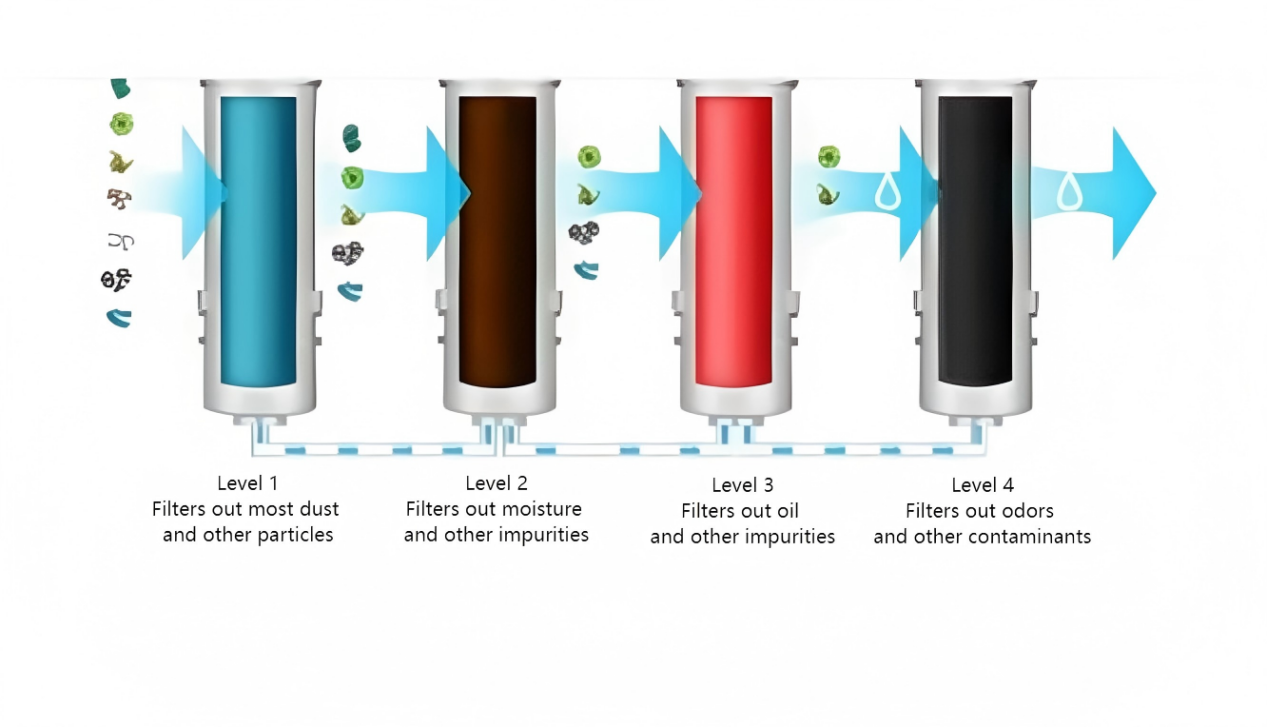
ISO 8573-1 provides a framework for classifying compressed air purity in relation to particles, water, and total oil. Buyers should specify the required purity classes according to their application and verify that the complete air treatment arrangement can achieve them. Filter selection should support these requirements without assuming that a single element can remove every contaminant.
Extending Filter Life Through Preventive Maintenance
A filter element's service life depends on incoming air quality, operating conditions, contaminant loading, and maintenance practices. Although extended service intervals can reduce replacement frequency, keeping an element in operation beyond its suitable condition may increase pressure drop or compromise filtration performance.
A preventive maintenance plan should include periodic pressure differential checks, inspection for leakage, and replacement according to the manufacturer's recommendations and actual operating conditions. Recording pressure drop over time can help maintenance teams identify abnormal increases and schedule service before performance deteriorates significantly.
Wuxi Yuanmei replacement filter elements are designed with an indicated service life of up to 8,000 hours under appropriate conditions. Actual replacement timing should be determined by operating environment, measured performance, and the applicable maintenance guidance rather than by operating hours alone.
Choosing a Replacement Filter Supplier for Long-Term Value
Price is only one consideration when purchasing replacement compressed air filters. Buyers should also evaluate filtration performance, dimensional compatibility, delivery availability, customization support, and the supplier's ability to provide relevant technical information. A lower initial purchase price may offer limited value if the element causes excessive pressure loss or requires frequent replacement.
Wuxi Yuanmei supports industrial buyers with replacement filter elements, OEM drawing services, and availability of main models for shipment within 24 hours, subject to stock confirmation. The company serves applications including laser cutting, electronics production, and sandblasting, helping customers address practical filtration and maintenance needs.
When comparing suppliers, request the technical data needed to verify suitability, including filtration efficiency, pressure drop, operating limits, and compatibility with the existing housing. A well-matched replacement element can help balance air cleanliness, operating efficiency, and maintenance expenditure throughout its service life.
Frequently Asked Questions
How do compressed air filters help reduce energy consumption?
Filters with low airflow resistance can help limit pressure drop and reduce the additional compressor output needed to maintain downstream pressure. Regular inspection and timely replacement also help prevent excessive resistance caused by contaminant buildup.
How often should compressed air filter elements be replaced?
Replacement intervals depend on air quality, operating conditions, pressure drop, and manufacturer recommendations. An indicated service life of 8,000 hours can be a useful reference, but actual replacement timing should reflect measured performance and application requirements.
How can buyers select compatible replacement filter elements?
Check the original element reference, filter housing dimensions, operating pressure, temperature, airflow requirements, and filtration specifications. OEM drawing support can help confirm dimensional compatibility when standard references are insufficient.
Do all compressed air filters remove oil and particles equally?
No. Filtration performance varies with element design, filtration grade, and operating conditions. Buyers should select the appropriate element for the contaminants involved and verify the required compressed air purity level.
What should industrial buyers consider when sourcing replacement filters?
Prioritize compatibility, filtration performance, pressure drop, service life, technical support, and delivery reliability. These factors help buyers assess long-term operating value rather than comparing purchase prices alone.


 Join us
 After-sale service
 News