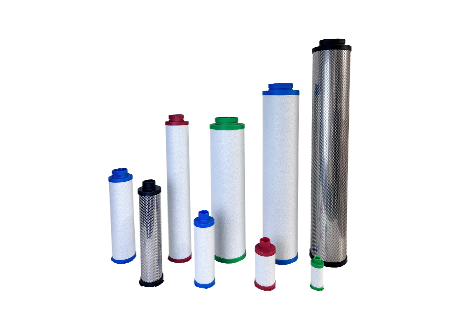
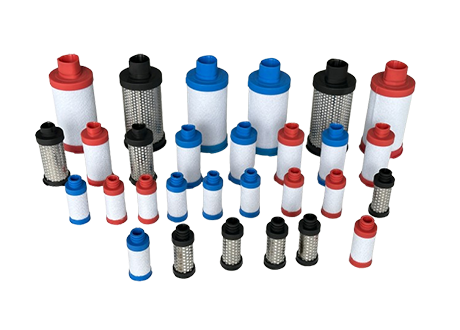
Carbon Steel Filtration Systems for Industrial Pneumatic Air Quality Control
In modern industrial environments, compressed air is no longer just a utility—it is a critical energy medium that directly affects production stability, equipment lifespan, and product quality. When air contains oil mist, moisture, or fine particulates, the entire pneumatic system becomes vulnerable to corrosion, valve failure, and contamination-related downtime. This is where a properly engineered filtration stage based on carbon steel housing technology and multi-grade filtration precision becomes essential for maintaining clean and dry compressed air performance.
In this blog post, Wuxi Yuanmei, as high quality compressed air line filter manufacturer, will share the role of compressed air carbon filter for clean dry air in industrial pneumatic equipment.
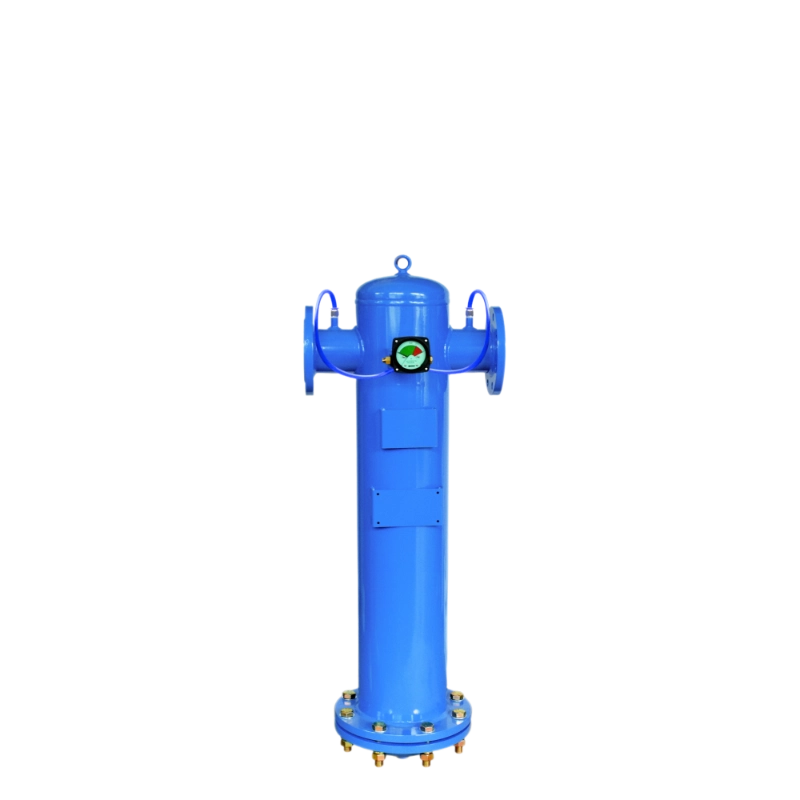
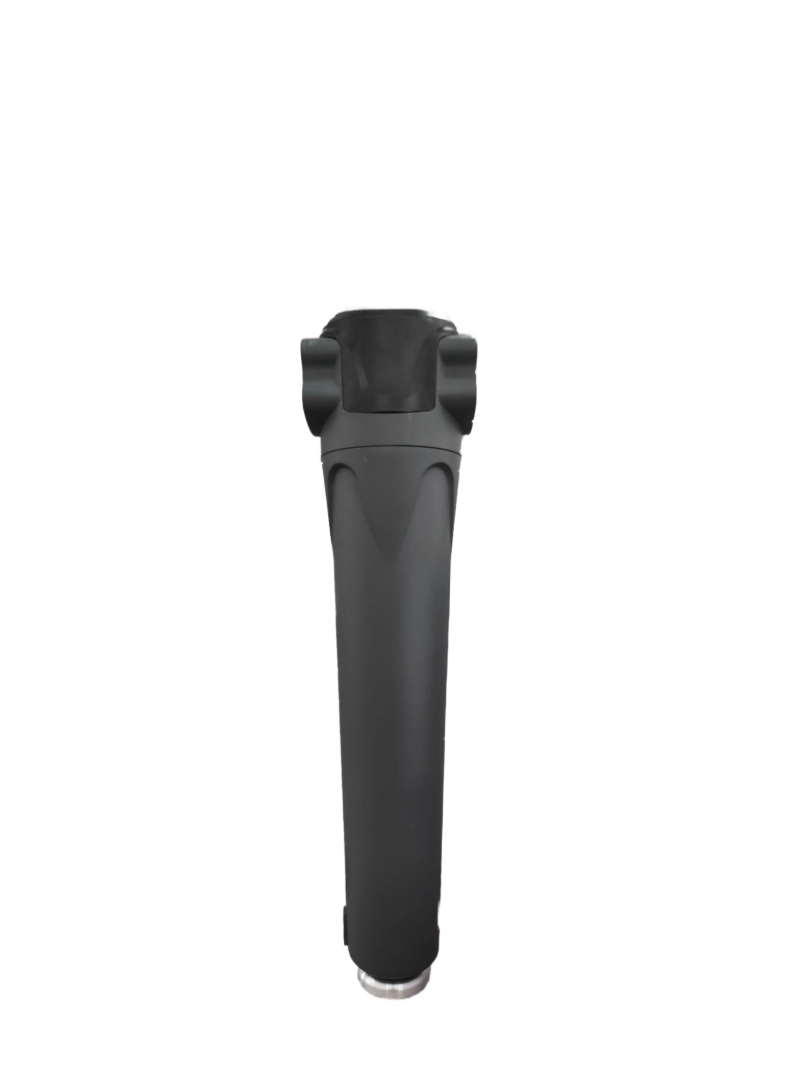
Structural Design of Compressed Air Carbon Filter for High Pressure Stability
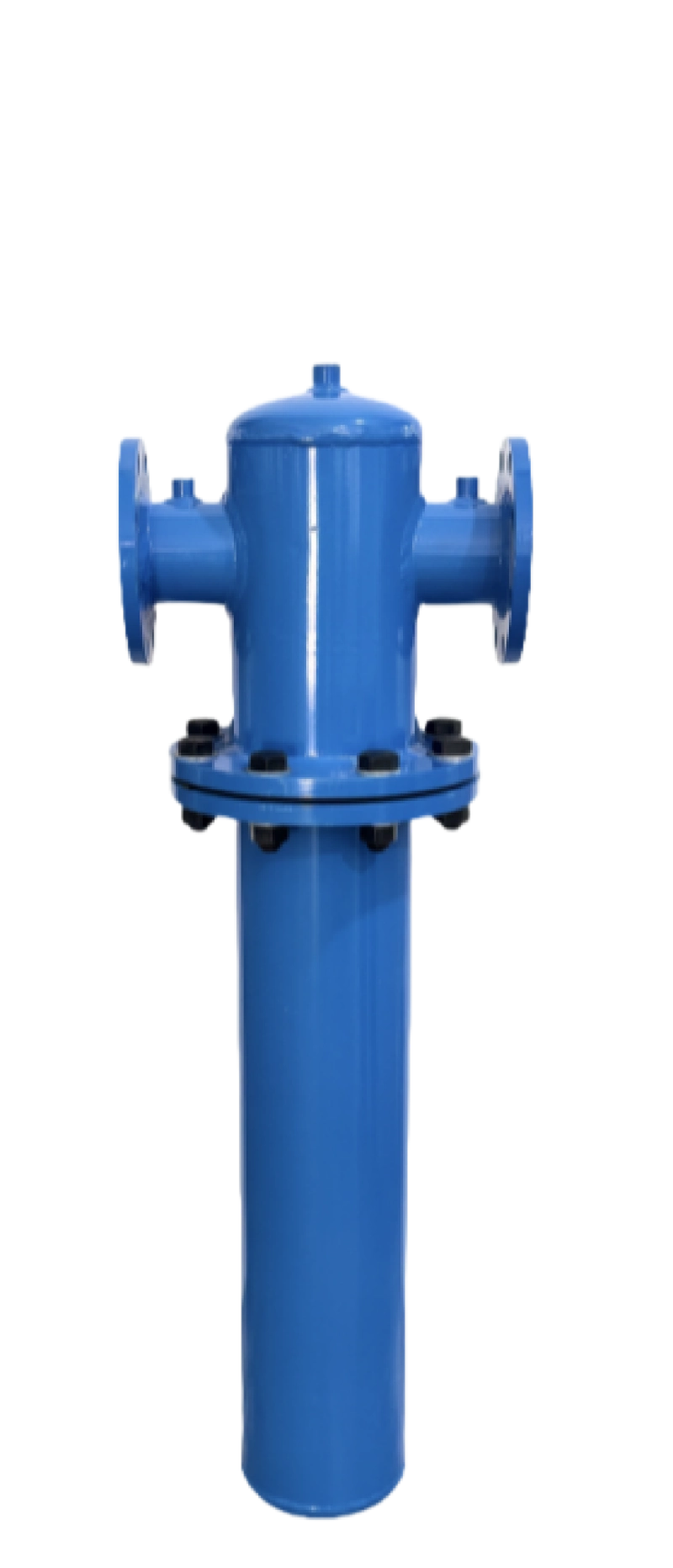
A key factor in industrial filtration systems is mechanical strength. The filter housing discussed here is constructed using carbon steel rated for 1.0 MPa working pressure, making it suitable for demanding pneumatic environments such as continuous production lines and heavy-duty compressor stations.
Unlike lightweight aluminum or plastic housings, carbon steel provides:
High resistance to mechanical deformation under pressure fluctuation
Strong sealing performance under long-term vibration conditions
Enhanced durability in corrosive or humid industrial environments
The surface is treated through shot blasting followed by internal and external anti-corrosion coating, ensuring that oxidation and rust formation are effectively controlled. This treatment also reduces the risk of secondary contamination entering the airflow, which is a critical requirement in precision manufacturing environments.
Multi-Stage Filtration Precision in Compressed Air Carbon Filter Systems
Filtration accuracy determines how well an air system can protect downstream equipment. In industrial pneumatic applications, filtration is typically divided into multiple precision grades to handle different contamination levels.
Filtration Classification Overview
| Class | Filtration Accuracy | Functional Role |
|---|
| Class C | 3 Micron | Pre-filtration for bulk particles |
| Class T | 1 Micron | Intermediate particulate removal |
| Class A | 0.01 Micron | Fine filtration for sensitive equipment |
| Class F | 0.01 Micron | Ultra-clean line protection |
| Class H | 0.01 Micron | Activated carbon adsorption for oil vapor |
This layered approach ensures that each stage of the compressed air carbon filter system progressively removes contaminants, reducing load on final-stage filters and extending service life.
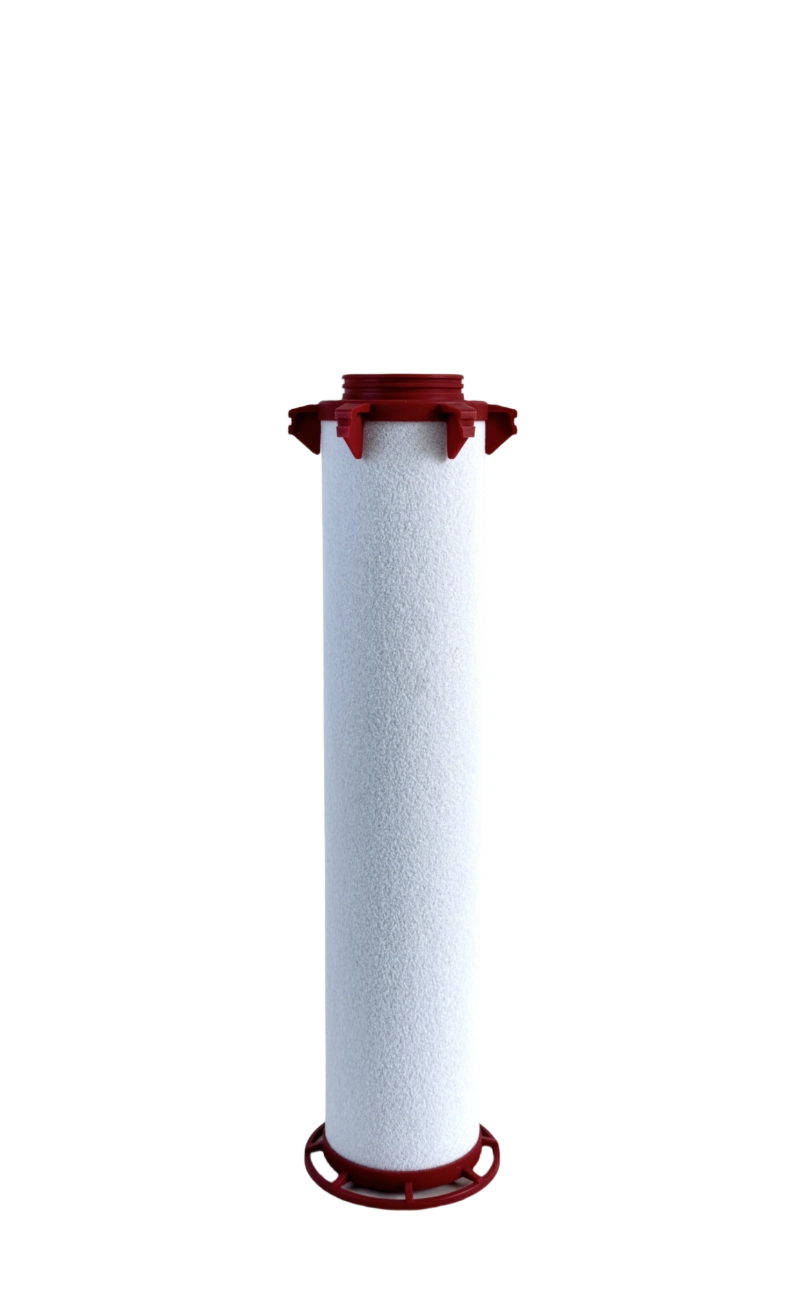
The activated carbon stage plays a particularly important role in oil vapor adsorption, ensuring that air delivered to sensitive pneumatic tools remains chemically stable and free from hydrocarbon residues.
Internal Anti-Corrosion Engineering in Compressed Air Filtration Design
One of the most overlooked factors in filtration reliability is internal surface protection. Without proper coating, condensation inside the filter housing can gradually lead to corrosion, which eventually contaminates the air stream.
In this system, the internal structure undergoes specialized anti-corrosion spraying. This treatment provides:
Long-term resistance against moisture accumulation
Protection against chemical degradation from oil aerosols
Prevention of rust particle migration into air lines
By contrast, untreated filter housings are prone to internal oxidation, which can compromise both air purity and system integrity over time.
This engineering approach ensures that the filter maintains stable performance even under high humidity and continuous operation conditions, which are common in heavy industrial applications.
Industrial Application Scope of Compressed Air Carbon Filter Systems
In real-world industrial environments, air quality requirements vary significantly depending on process sensitivity. A robust filtration system must therefore adapt to multiple operating conditions.
The compressed air carbon filter for industrial pneumatic equipment is widely used in environments such as:
Heavy metallurgy production lines where airborne dust concentration is high
Petrochemical facilities requiring strict air purity control
Power generation systems including thermal and nuclear facilities
Precision machining and CNC production environments
High-end automated manufacturing systems
Harsh industrial zones with high dust, humidity, or pressure variation
In these environments, compressed air is often used not only for actuation but also for control instrumentation. Even minor contamination can lead to sensor drift, valve malfunction, or production inconsistency.
Role of Compressed Air Line Filter in System Protection Strategy
In multi-stage air treatment architecture, the compressed air line filter plays a central role between primary separation and terminal purification. It acts as a protective barrier that ensures downstream components receive air that meets strict cleanliness standards.
Its importance is especially evident in systems where:
Pneumatic actuators require stable response time
Precision valves are sensitive to oil mist contamination
Air-driven instrumentation demands consistent flow quality
When integrated correctly, line filtration reduces the load on activated carbon elements and improves overall system efficiency, minimizing maintenance frequency and operational cost.
Manufacturing Standards and Certification Compliance
Industrial buyers increasingly prioritize compliance with global engineering standards. This filtration system is designed in accordance with multiple certification frameworks, including:
GB150 national pressure vessel standard
ASME international mechanical standard
DIN German industrial engineering standard
These certifications ensure that the filter housing meets strict requirements for pressure resistance, material integrity, and safety performance. For international procurement teams working with a compressed air filter manufacturer, compliance with these standards is often a key decision factor during equipment selection.
Material Engineering and Corrosion Resistance Strategy
The use of carbon steel in high-pressure filtration systems requires careful surface engineering to prevent long-term degradation. The combination of shot blasting and multi-layer coating creates a dual protection mechanism:
Mechanical surface strengthening through blasting
Chemical resistance through anti-corrosion coating
Secondary contamination prevention via sealed internal treatment
This integrated approach significantly extends service life compared to conventional untreated housings, particularly in environments with continuous moisture exposure or chemical vapor presence.
System Integration in Modern Pneumatic Networks
A modern compressed air system is rarely a single-stage solution. Instead, it operates as a network of interconnected filtration and drying units. The compressed air carbon filter functions as a critical final safeguard within this system architecture.
Typical integration sequence:
Primary separation of moisture and bulk particulates
Intermediate filtration for particle size reduction
Line filtration for operational stability
Activated carbon stage for oil vapor adsorption
This structured approach ensures that compressed air delivered to end-use equipment maintains consistent purity, pressure stability, and chemical neutrality.
Long-Term Operational Advantages in Industrial Environments
From a system lifecycle perspective, investing in high-grade filtration architecture provides measurable benefits:
Reduced maintenance frequency for pneumatic equipment
Lower risk of production downtime due to contamination
Improved energy efficiency in compressed air usage
Extended lifespan of valves, cylinders, and precision tools
Stable output quality in sensitive manufacturing processes
For procurement teams sourcing from a compressed air filter manufacturer, these operational advantages often justify the initial investment in higher-specification filtration systems.
Conclusion
Industrial compressed air systems require more than basic filtration—they demand engineered precision, corrosion resistance, and multi-stage contaminant control. A well-structured carbon steel filtration system operating at 1.0 MPa provides a strong foundation for maintaining clean and dry compressed air across a wide range of industrial applications.
By combining graded filtration accuracy, internal anti-corrosion treatment, and compliance with international standards, modern systems ensure long-term reliability in even the most demanding environments. When integrated properly into pneumatic networks, they form the backbone of stable, efficient, and contamination-free industrial air delivery.


 Join us
 After-sale service
 News
News