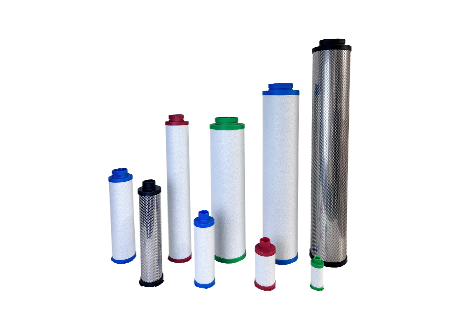
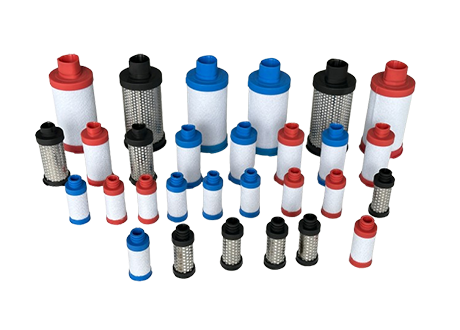
Why Filter Replacement Costs More Than Expected
Replacing a compressed air filter element may seem like a routine maintenance expense, but repeated replacements can create significant costs when compatibility, filtration performance, and service life are overlooked. For industrial buyers, the challenge is not simply finding a lower-priced component. It is selecting a replacement that maintains air quality, controls pressure loss, and supports stable production over time. Experienced compressed air filter manufacturers help buyers evaluate these factors together rather than focusing on purchase price alone.
Common Causes of Expensive Filter Replacement
Incorrect Filter Compatibility
A replacement element that appears physically suitable may not provide the required sealing, flow capacity, or filtration efficiency. Differences in dimensions, end caps, sealing materials, and internal construction can affect how the element performs inside the housing. Poor compatibility may allow contaminants to bypass the filter or create excessive resistance to airflow.
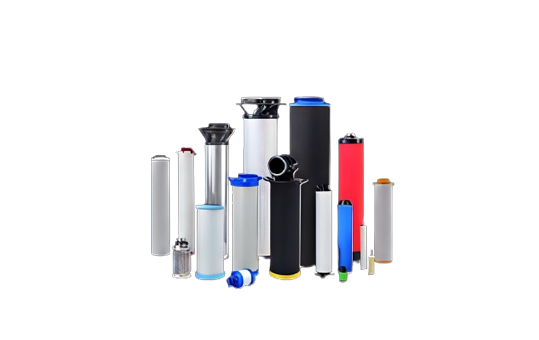
When sourcing compressed air replacement filter elements, buyers should confirm the original element reference, housing dimensions, filtration grade, operating pressure, and flow requirements. This information helps manufacturers identify suitable alternatives and reduces the risk of repeated purchases caused by incorrect selection.
Rising Pressure Drop and Energy Consumption
As a filter element collects particles and liquid contaminants, airflow resistance can increase. The resulting pressure drop may force a compressor to work harder to maintain the pressure required by downstream equipment. Consequently, a low-cost filter can become an expensive choice if it creates excessive operating resistance or requires frequent replacement.
Selecting a low pressure drop compressed air filter helps control this risk. Buyers should compare initial pressure drop, rated flow capacity, and expected performance under actual operating conditions. Proper sizing is equally important because an undersized filter may restrict airflow even when its filtration media is new.
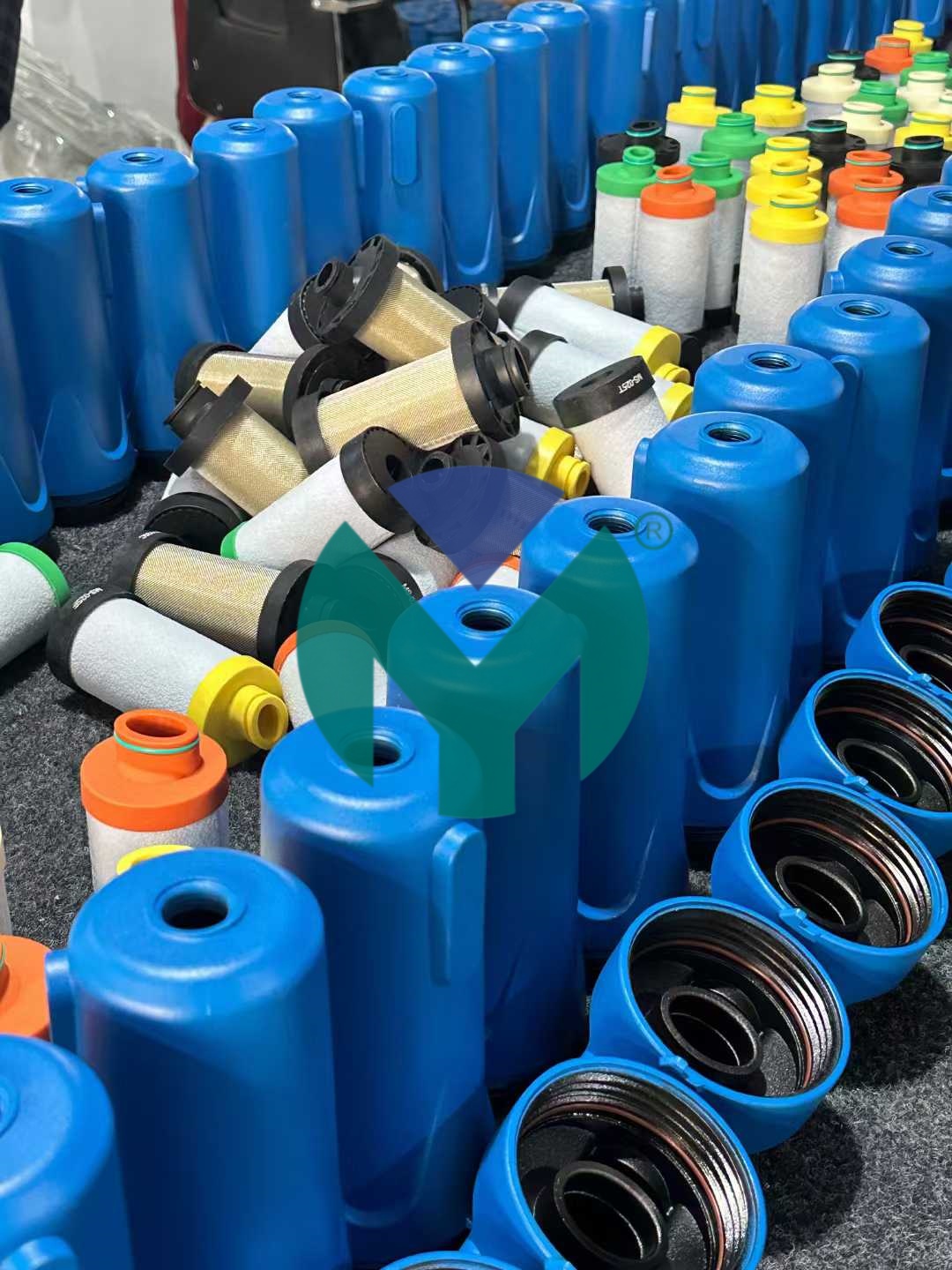
How to Select Replacement Filters for Longer Service Life
A practical purchasing decision should consider the full operating cost of a filter element. Unit price is only one part of the calculation; replacement frequency, maintenance labor, energy consumption, production interruptions, and the consequences of inadequate air quality also matter.
| Selection factor | What buyers should verify |
|---|
| Compatibility | Dimensions, seals, and housing fit |
| Filtration performance | Particle, aerosol, or vapor removal requirements |
| Flow capacity | Required airflow at operating pressure |
| Pressure drop | Initial resistance and performance during service |
| Material suitability | Compatibility with condensate, oil, temperature, and pressure |
| Service life | Manufacturer guidance and expected operating conditions |
For industrial procurement teams, working with compressed air filter manufacturers that understand replacement applications can simplify this evaluation. Wuxi Yuanmei provides compressed air filtration products and replacement filter elements for industrial applications. Buyers can use their existing filter information and operating requirements to discuss suitable replacement options before placing an order.
Match Filtration Performance to the Application
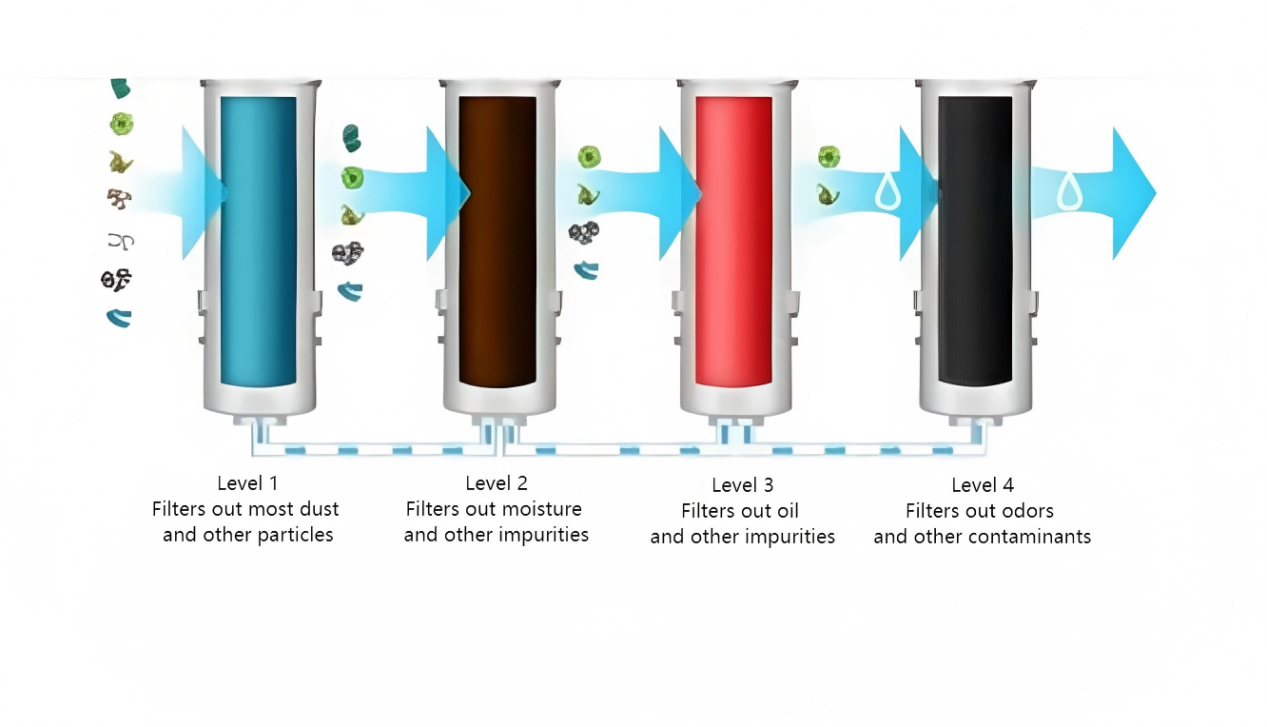
Different filtration tasks require different media and performance characteristics. Particulate filters target solid contaminants, while coalescing filters are designed to capture liquid aerosols, including oil mist and water droplets. Activated carbon filters address certain oil vapors and odors, making them suitable for applications with additional air quality requirements.
Choosing a filter solely by its nominal micron rating can therefore lead to poor results. Buyers should establish which contaminants must be removed, the required downstream air quality, and whether additional treatment stages are necessary. Where compressed air purity is critical, filtration requirements should be assessed against the relevant ISO 8573-1 air quality classes rather than relying on micron ratings alone.
A suitable filtration arrangement can also help prevent premature loading. Effective upstream separation of bulk liquid and particles reduces the contaminant burden placed on finer filter elements. This can improve maintenance planning and reduce avoidable replacement costs without compromising the required air quality.
Reduce Maintenance Costs Through Better Monitoring
A fixed replacement schedule provides a useful starting point, but actual service life depends on operating hours, inlet contamination, humidity, temperature, and airflow. Maintenance teams should follow the filter manufacturer's recommended intervals while monitoring operating conditions for signs of abnormal deterioration.
Differential pressure measurements can help identify a clogged element, particularly when readings are compared under similar flow conditions. However, low pressure drop does not always prove that a filter remains effective, because damaged media or internal bypass can allow contaminants to pass through without producing a large pressure difference.
A more dependable maintenance strategy combines scheduled replacement, pressure monitoring, inspection of condensate drainage, and downstream air quality checks where appropriate. This approach helps distinguish normal filter loading from problems caused by excessive inlet contamination, faulty drains, or unsuitable filtration arrangements.
Why Industrial Buyers Work With Wuxi Yuanmei
For distributors, equipment manufacturers, and industrial maintenance teams, consistent replacement supply is important for controlling procurement costs and avoiding unnecessary downtime. Wuxi Yuanmei offers compressed air filtration products and replacement elements intended to support industrial air treatment requirements.
When evaluating a supplier, buyers should look beyond the initial quotation. Product compatibility, documented filtration performance, stable manufacturing quality, technical communication, and access to appropriate replacement options all influence long-term value. Providing accurate information about the existing housing and application also helps the supplier assess the requirements more efficiently.
For businesses sourcing industrial compressed air filter elements, the objective is to balance acquisition cost with dependable filtration and manageable maintenance requirements. A correctly selected replacement can help reduce avoidable pressure losses, protect downstream equipment, and support consistent production conditions.
Frequently Asked Questions
How can I reduce compressed air filter replacement costs?
Confirm compatibility before ordering, select the correct filtration grade, size the filter for the required airflow, and follow recommended service intervals. Monitoring pressure drop and investigating unusually short service life can also help identify underlying problems.
Can an aftermarket replacement filter perform as well as the original?
It can, provided that its dimensions, sealing, filtration efficiency, flow capacity, and pressure resistance meet the application's requirements. Buyers should request relevant technical documentation rather than assuming that a similar appearance guarantees equivalent performance.
Does a lower-priced filter always provide better value?
No. A low purchase price may be offset by higher pressure drop, shorter service life, additional labor, or inadequate contaminant removal. Total operating cost is a more useful basis for comparing alternatives.
What information should I provide when requesting a replacement element?
Provide the original part reference if available, filter housing details, required filtration grade, operating pressure, airflow, temperature, and the contaminants that need to be removed. These details help compressed air filter manufacturers assess compatibility and recommend an appropriate replacement.
When should a compressed air filter element be replaced?
Follow the manufacturer's recommended service interval and consider operating conditions, pressure drop trends, and air quality requirements. Do not rely on appearance or a differential pressure indicator alone to determine whether the element remains effective.


 Join us
 After-sale service
 News
News