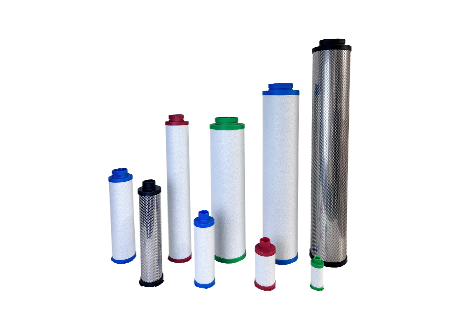
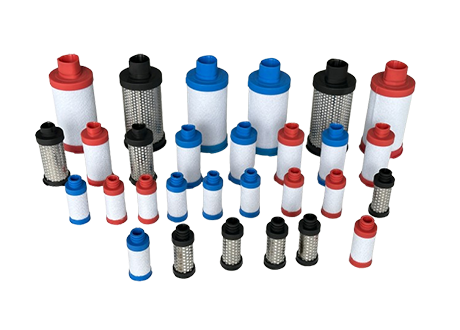
Industrial Activated Carbon Compressed Air Filtration in Clean Air Systems
In modern industrial environments, compressed air is no longer treated as a simple utility. It is an essential energy medium that directly influences product quality, equipment lifespan, and operational safety. However, untreated compressed air often contains oil vapors, hydrocarbons, odors, and microscopic contaminants that can compromise entire production processes. This is where an activated carbon compressed air filter becomes a critical component within advanced air treatment architecture.
Unlike basic particulate filtration, activated carbon technology focuses on adsorption at a molecular level. It does not simply trap particles; it binds gaseous contaminants onto a highly porous carbon surface. As industries move toward stricter air purity standards and more sensitive production environments, the demand for high efficiency compressed air filter systems continues to grow rapidly.
Wuxi Yuanmei specializes in engineering filtration solutions that integrate performance stability with long-term operational efficiency. Within clean air systems, activated carbon filtration plays a decisive role in ensuring that downstream equipment receives air that is not only dry and clean, but also chemically stable and odor-free.
Activated Carbon Compressed Air Filter Function in Industrial Air Purification
The core function of an activated carbon-based filtration unit is to remove oil vapor and volatile organic compounds from compressed air streams. While mechanical filters can capture solid particles and coalescing filters can remove liquid aerosols, gaseous impurities require adsorption-based technology.
An activated carbon compressed air filter operates by forcing compressed air through a densely packed carbon bed. The internal pore structure of activated carbon provides an extremely large surface area, allowing it to trap contaminants through Van der Waals forces. This process significantly reduces hydrocarbons and odor molecules that would otherwise remain in the air supply.
In industrial clean air systems, this stage is typically positioned after pre-filtration and coalescing filtration. The reason is simple: activated carbon performs best when bulk moisture and oil droplets have already been removed. This ensures maximum adsorption efficiency and extends service life.
The performance of such systems is especially important in environments where air purity directly impacts process stability, such as precision instrumentation, electronics manufacturing, and controlled pneumatic systems.
Clean Air System Architecture with Activated Carbon Filtration Layers
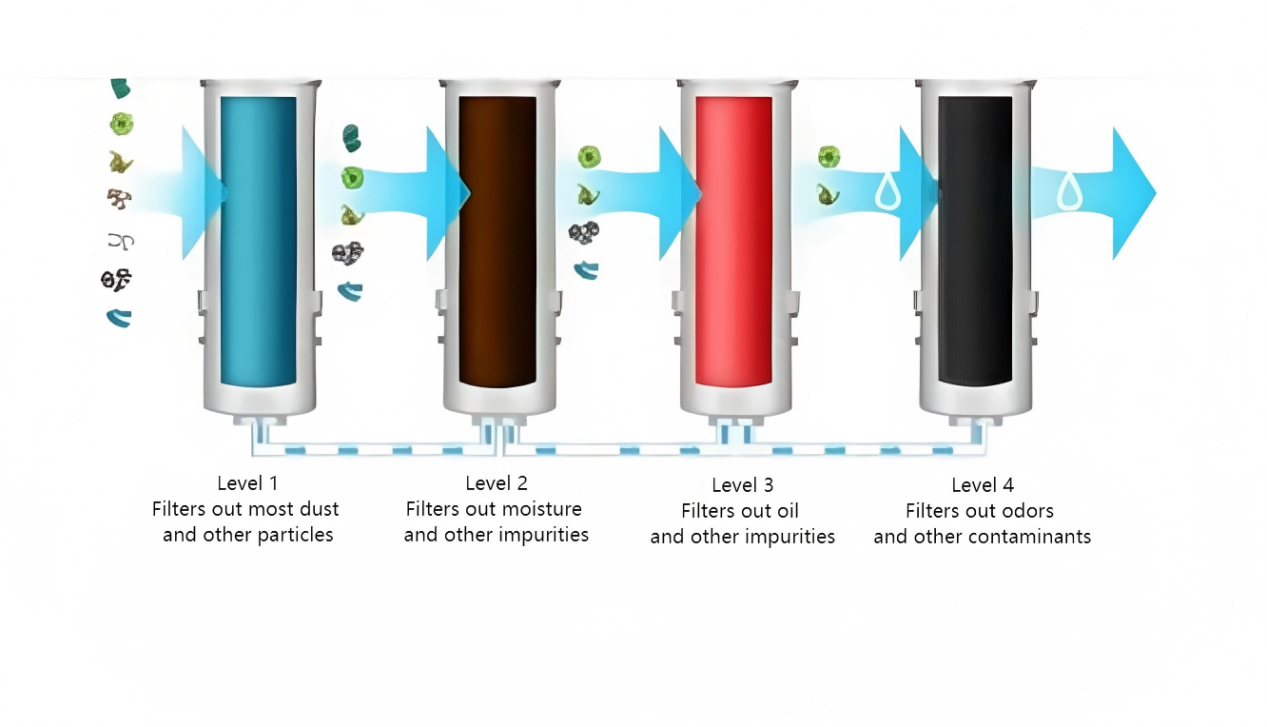
A properly designed clean air system does not rely on a single filtration stage. Instead, it follows a structured multi-layer approach that gradually refines air quality. Within this structure, the activated carbon stage serves as the final polishing layer.
Typical compressed air purification architecture includes:
Pre-filtration for large particulate matter
Coalescing filtration for oil mist removal
Moisture separation and drying systems
Activated carbon compressed air filter for vapor and odor adsorption
Each stage contributes to reducing specific contaminant types. However, the final activated carbon layer ensures that even trace-level hydrocarbons are eliminated before air reaches sensitive end-use equipment.
When integrated correctly, this system design significantly improves operational consistency and reduces maintenance requirements across pneumatic networks. It also ensures compliance with stringent air quality classifications, particularly in regulated industrial environments.
Adsorption Mechanism and Material Science Behind Activated Carbon Filtration
The effectiveness of an activated carbon compressed air filtration system is rooted in material science. Activated carbon is produced through controlled carbonization and activation processes that create an extensive network of microscopic pores. These pores dramatically increase surface area, allowing adsorption of gas-phase contaminants at a molecular level.
Unlike physical filtration, adsorption does not depend on particle size alone. Instead, it relies on chemical attraction between carbon surfaces and contaminant molecules. This makes activated carbon particularly effective against hydrocarbons, oil vapors, and odor compounds that cannot be captured through mechanical means.
In industrial applications, performance depends on several key factors:
Surface area distribution within the carbon media
Air residence time inside the filter bed
Temperature and humidity conditions
Contaminant concentration levels
Properly engineered systems ensure optimized airflow distribution, preventing channeling effects and maintaining consistent adsorption efficiency throughout the filter lifecycle.
Custom Industrial Air Filters for Complex Compressed Air Requirements
Industrial systems rarely operate under uniform conditions. Variations in pressure, flow rate, contamination type, and environmental conditions require filtration solutions that are adaptable rather than standardized.
This is where custom industrial air filters become essential. Instead of relying on fixed configurations, customized designs allow engineers to adjust filter media density, housing structure, and flow geometry according to system requirements.
In many cases, custom made air filters are developed to match specific compressor outputs or pipeline layouts. This ensures minimal pressure drop while maintaining high adsorption efficiency. It also allows integration into existing systems without requiring extensive redesign.
Wuxi Yuanmei focuses on tailoring filtration systems that align with real operational demands rather than theoretical benchmarks. This approach ensures that each activated carbon stage performs consistently under actual industrial conditions.
High Efficiency Compressed Air Filter Performance Optimization
Efficiency in compressed air filtration is not only measured by contaminant removal rate but also by energy consumption and pressure stability. A high efficiency compressed air filter must balance purification performance with minimal airflow resistance.
Activated carbon systems are particularly sensitive to airflow dynamics. If resistance becomes too high, compressor energy consumption increases significantly. Therefore, structural design plays a crucial role in ensuring efficiency.
Key optimization strategies include:
Uniform carbon bed distribution to avoid pressure imbalance
Low-resistance housing geometry
Controlled air velocity across adsorption media
Layered filtration to reduce carbon saturation load
When these factors are properly engineered, the system maintains high purification efficiency without compromising overall energy performance. This balance is critical for industries operating continuous compressed air networks.
Integration of Activated Carbon Systems in Clean Air Infrastructure
Modern industrial clean air systems are increasingly modular. Instead of single large filtration units, facilities often deploy distributed filtration nodes throughout the compressed air network. In this context, activated carbon modules serve as terminal purification units.
These systems are typically integrated into:
Centralized compressor stations
Point-of-use air treatment units
Instrument air distribution lines
Sensitive production zones requiring ultra-clean air
The modular nature of activated carbon compressed air filter systems allows flexible scaling depending on production expansion or process changes. It also simplifies maintenance, as individual modules can be replaced without shutting down entire air networks.
This integration approach supports long-term operational resilience and ensures consistent air quality across multiple production zones.
Manufacturing Considerations and Engineering Standards
The performance of filtration systems depends heavily on manufacturing precision. Even small inconsistencies in carbon packing density or housing sealing can significantly impact filtration efficiency.
At Wuxi Yuanmei, engineering standards focus on:
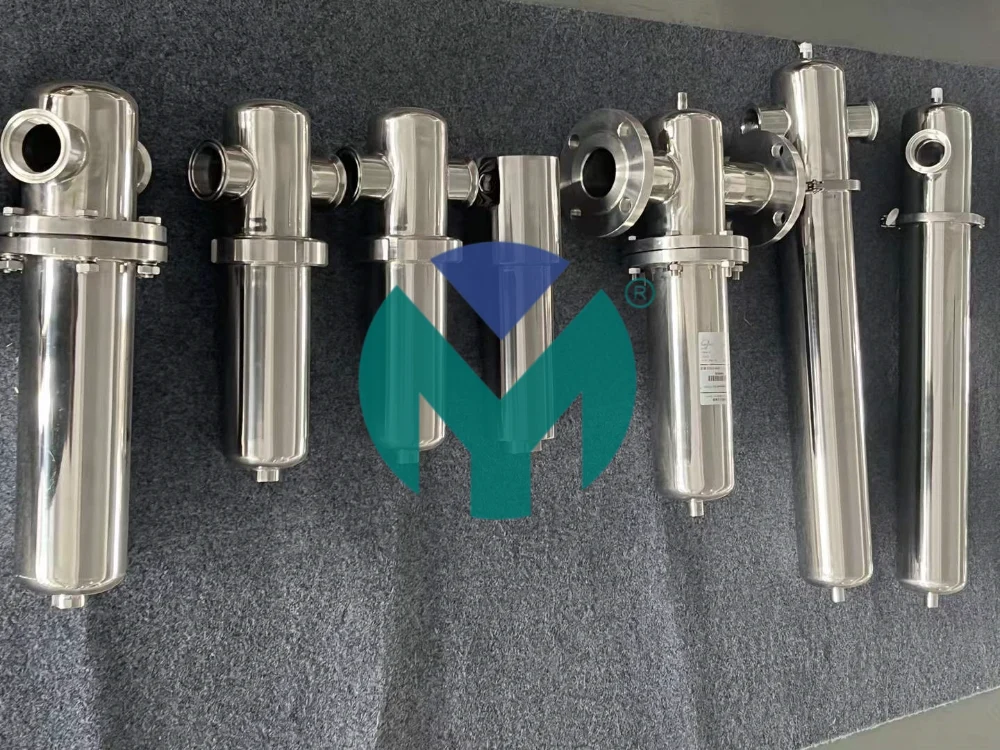
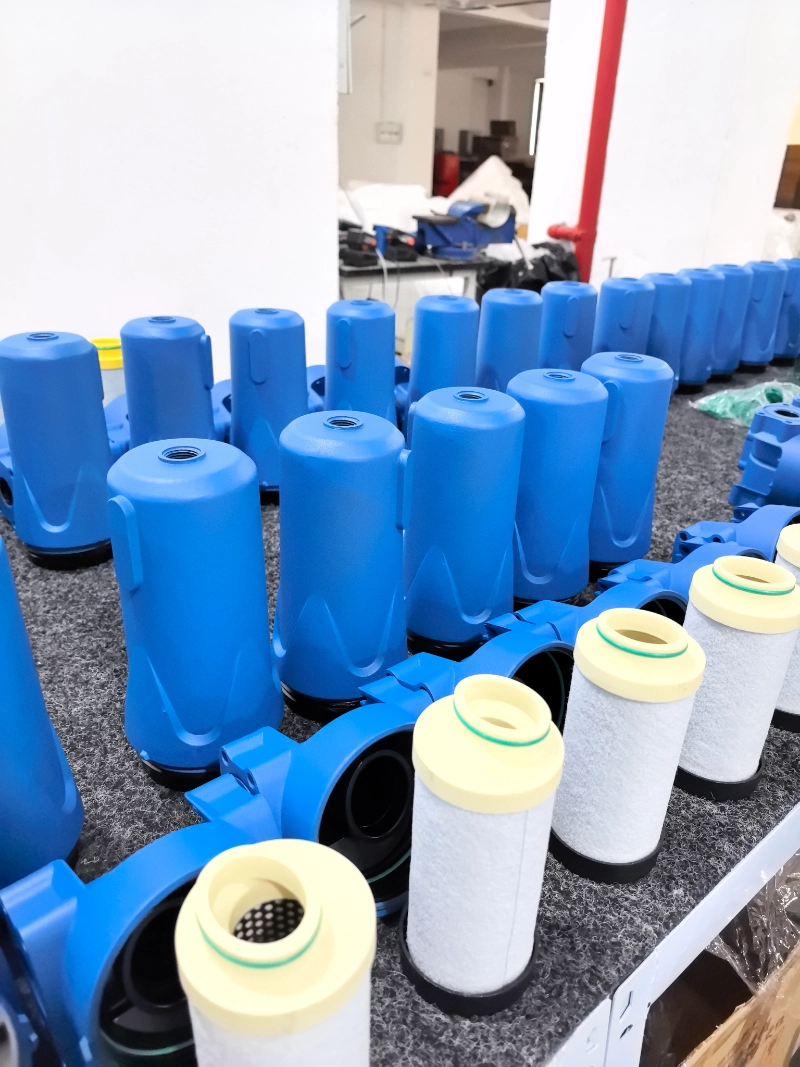
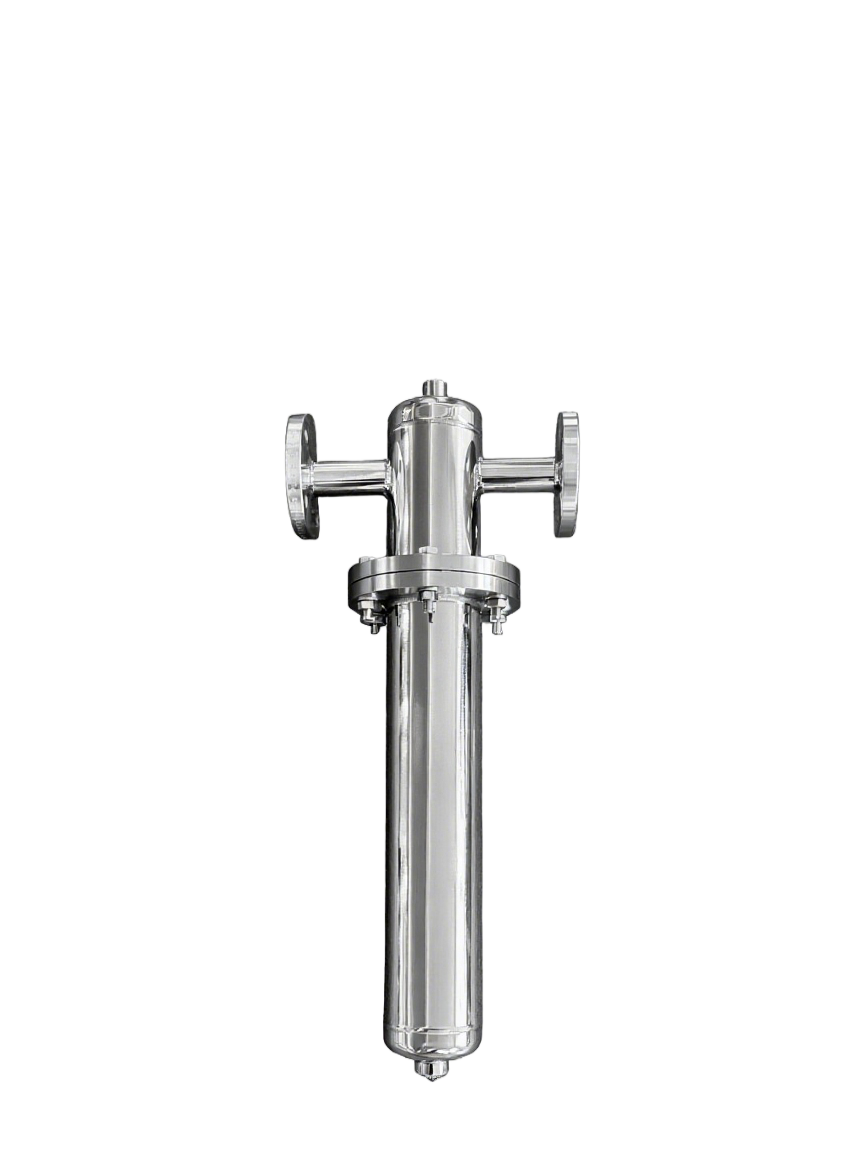
Precision-formed filter housings for structural integrity
Controlled carbon media filling processes
High-grade sealing materials to prevent bypass leakage
Pressure-tested assemblies for industrial reliability
These factors ensure that each unit maintains consistent performance under varying industrial pressures and environmental conditions. Manufacturing consistency is particularly important for systems deployed in continuous operation environments.
Maintenance Cycles and Operational Longevity
Activated carbon filtration systems require periodic replacement of filter media to maintain adsorption efficiency. Over time, carbon pores become saturated with hydrocarbons, reducing effectiveness.
Maintenance planning typically considers:
Air quality conditions upstream
Operating hours per cycle
Contaminant concentration levels
System pressure stability
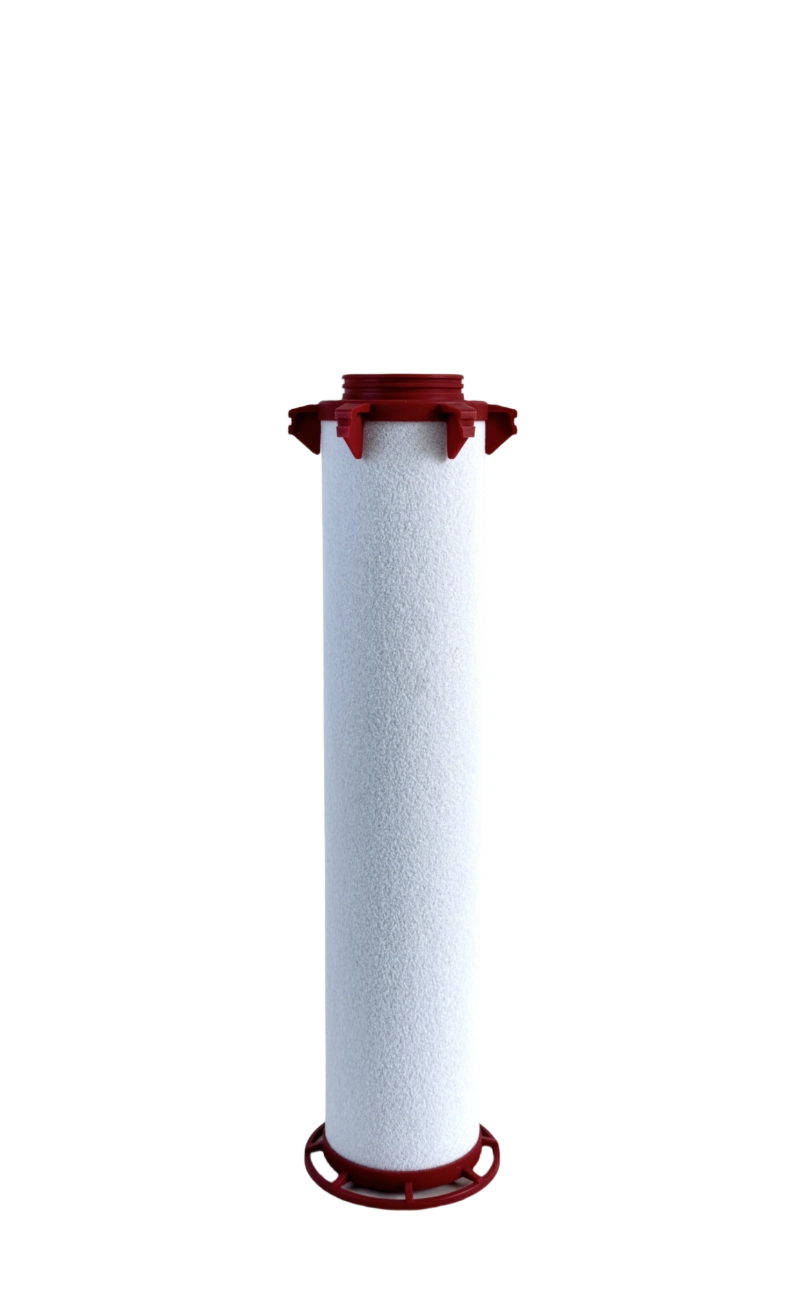
A well-designed activated carbon compressed air filter system allows for predictable maintenance scheduling, minimizing unexpected downtime. In many cases, modular design enables quick replacement of filter cartridges without complex disassembly.
This approach reduces operational disruption and improves long-term system reliability.
Selection Criteria for Industrial Compressed Air Filtration Systems
Choosing the right filtration configuration requires careful evaluation of operational parameters rather than simple specification matching. Industrial buyers typically assess:
Required air purity level
Compressor capacity and flow rate
Presence of oil vapor or hydrocarbon contamination
Environmental temperature and humidity conditions
Energy efficiency requirements
In many advanced applications, engineers prefer systems combining coalescing and activated carbon stages to achieve comprehensive purification. The inclusion of a high efficiency compressed air filter ensures stable downstream performance even in demanding environments.
Role of Wuxi Yuanmei in Advanced Air Filtration Engineering
Wuxi Yuanmei has established its position in industrial filtration through a focus on engineering precision and application-driven design. Rather than offering generic filtration units, the company develops systems tailored to operational requirements across different industrial sectors.
By integrating custom industrial air filters and advanced activated carbon technology, Wuxi Yuanmei supports industries that require stable, high-purity compressed air. The emphasis is not only on filtration performance but also on system integration, durability, and long-term efficiency.
This engineering-oriented approach ensures that filtration systems remain compatible with evolving industrial automation and clean air standards.
Conclusion
Activated carbon-based filtration represents a critical stage in modern compressed air treatment systems. As industrial processes become increasingly sensitive to air quality variations, the role of the activated carbon compressed air filter continues to expand beyond simple purification.
Through adsorption-based technology, optimized system architecture, and custom engineering design, industrial clean air systems can achieve higher stability, improved efficiency, and reduced operational risk. When combined with tailored solutions such as custom made air filters and high-performance filtration stages, industries gain a more reliable foundation for continuous production.
In this evolving landscape, Wuxi Yuanmei continues to support the development of advanced air purification systems that align with modern industrial demands, ensuring that compressed air remains a controlled, dependable, and high-quality utility across all applications.


 Join us
 After-sale service
 News
News