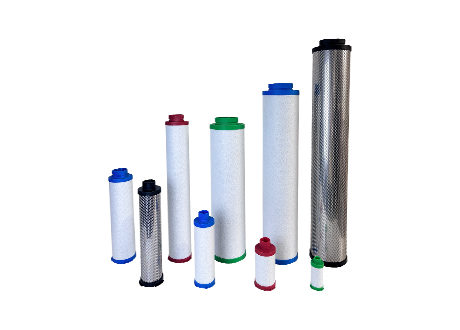
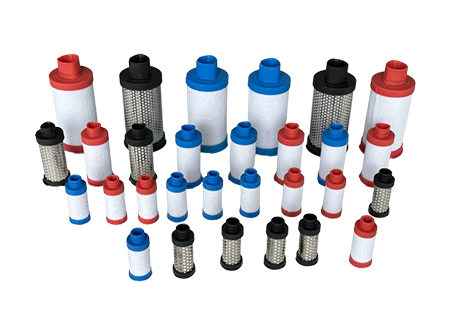
Why Pressure Drop Matters in Compressed Air Filtration
Pressure drop is an important consideration when selecting a precision compressed air filter for industrial applications. As compressed air passes through filter media, resistance reduces the pressure available downstream. Although some pressure loss is unavoidable, excessive resistance can affect pneumatic equipment performance and increase the energy required to maintain operating pressure. Over time, these effects can contribute to higher operating expenses and inconsistent production conditions.
For industrial buyers, the objective is to achieve the required air cleanliness without creating unnecessary airflow resistance. A properly selected precision compressed air filter balances filtration efficiency, flow capacity, and pressure drop rather than prioritizing the finest filtration grade alone. Wuxi Yuanmei provides compressed air filtration products for different industrial requirements, helping users evaluate suitable options according to their operating conditions and air quality targets.
How Filter Sizing Influences Airflow Efficiency
Filter sizing has a direct influence on pressure drop. When a filter cannot accommodate the required airflow, compressed air must pass through a restricted filtration area, increasing resistance and potentially limiting downstream supply. This problem can occur when equipment is selected according to average air consumption without accounting for peak demand or future production changes.
Before choosing an industrial compressed air filter, engineers should assess the required flow rate, operating pressure, temperature, and pipeline configuration. The rated flow capacity should correspond to the actual working conditions rather than being considered as an isolated specification. Correct sizing helps maintain stable airflow and reduces avoidable pressure losses, while providing sufficient capacity for the required filtration performance.
Connection dimensions also deserve attention. An unsuitable connection or poorly planned installation can introduce additional restrictions, even when the filter itself has adequate capacity. Evaluating the complete installation helps prevent performance problems that might otherwise be incorrectly attributed to the filter element.
Match Filtration Precision to the Required Air Quality
Selecting the finest available filtration grade does not automatically produce the best result. Different filtration technologies target different contaminants, and unnecessary filtration stages can add resistance, maintenance requirements, and purchasing costs without improving the air quality needed by the application.
Particulate filters target solid contaminants, while coalescing filters are designed to capture liquid aerosols such as oil mist and water droplets. Activated carbon media can help reduce certain oil vapors and odors. Because these contaminants behave differently, the filtration method should be selected according to the actual contamination problem rather than micron rating alone.
The required air quality at the point of use provides a practical starting point. ISO 8573-1 defines compressed air purity classes for particles, water, and total oil. Once the target is established, buyers can determine which filtration stages are necessary and assess their combined pressure drop. This approach helps avoid both insufficient contaminant removal and excessive treatment.
Understand the Relationship Between Filter Media and Resistance
Filter media plays an important role in determining how effectively contaminants are captured and how easily air can pass through the element. Media structure, effective filtration area, pleat arrangement, and contaminant loading can all influence pressure drop. A suitable design distributes airflow across the available media instead of concentrating the flow through restricted areas.
Housing design also affects overall performance. Internal passages, inlet and outlet arrangements, and connection dimensions influence how compressed air moves through the equipment. When comparing precision air filters, buyers should therefore evaluate the complete design rather than judging performance from filter media or nominal filtration precision alone.
Technical data should be compared under equivalent conditions, including flow rate and operating pressure. Initial pressure drop is useful for evaluating a clean element, but it does not describe the entire service life. Understanding how resistance changes as contaminants accumulate provides a more realistic basis for assessing long-term operating efficiency.
Reduce Energy Costs Through Better Filter Selection
Compressed air production can consume substantial energy in industrial facilities, making unnecessary pressure losses worth investigating. When a filter creates excessive resistance, operators may increase compressor discharge pressure to compensate for downstream requirements. This adjustment can increase energy consumption across the compressed air network.
A low pressure drop compressed air filter can help reduce avoidable resistance when correctly sized and operated within its intended conditions. However, pressure drop is only one part of the energy calculation. Air leakage, compressor control, piping restrictions, and inappropriate pressure settings may also contribute to energy waste.
For this reason, buyers should evaluate filtration equipment as part of the broader compressed air arrangement. Selecting adequate flow capacity, maintaining clean filter elements, and avoiding unnecessary filtration stages can support more efficient operation. Actual savings depend on the existing installation, operating hours, airflow demand, and measured pressure conditions.
Prevent Premature Filter Loading and Frequent Replacement
A correctly selected filter may still experience a short service life when inlet air contains excessive contaminants. Oil aerosols, solid particles, and liquid water can accumulate in the media and increase airflow resistance. Replacing elements repeatedly without investigating the cause may increase maintenance costs without resolving the underlying problem.
Upstream separation can reduce the contaminant burden placed on finer filtration stages. Suitable drainage arrangements also help prevent collected liquid from accumulating in equipment where it could interfere with operation. These measures should be selected according to the incoming air condition and the requirements of the complete filtration arrangement.
Maintenance teams should record pressure drop, operating hours, replacement dates, and any changes in downstream air quality. Reviewing these records can reveal whether frequent replacement is associated with excessive contamination, unsuitable filter sizing, or changing production demand. This information supports more effective maintenance planning and helps control unnecessary element consumption.
Use Pressure Monitoring Without Overlooking Air Quality
Differential pressure monitoring provides useful information about the resistance across a filter element. When readings increase under comparable flow conditions, the element may be accumulating contaminants and approaching its recommended replacement point. Consistent monitoring can help maintenance teams identify developing restrictions before they significantly affect downstream equipment.
Nevertheless, pressure drop should not be the only indicator of filter condition. Damaged media, defective seals, or internal bypass can allow contaminants to pass through without producing an obvious increase in resistance. A filter may therefore require inspection or replacement even when pressure readings appear acceptable.
A balanced maintenance approach combines manufacturer recommendations, differential pressure trends, inspection of drainage components, and downstream air quality checks where necessary. This helps maintain the required filtration performance without relying on a single measurement or replacing elements unnecessarily early.
Select Filtration Solutions for Different Industrial Applications
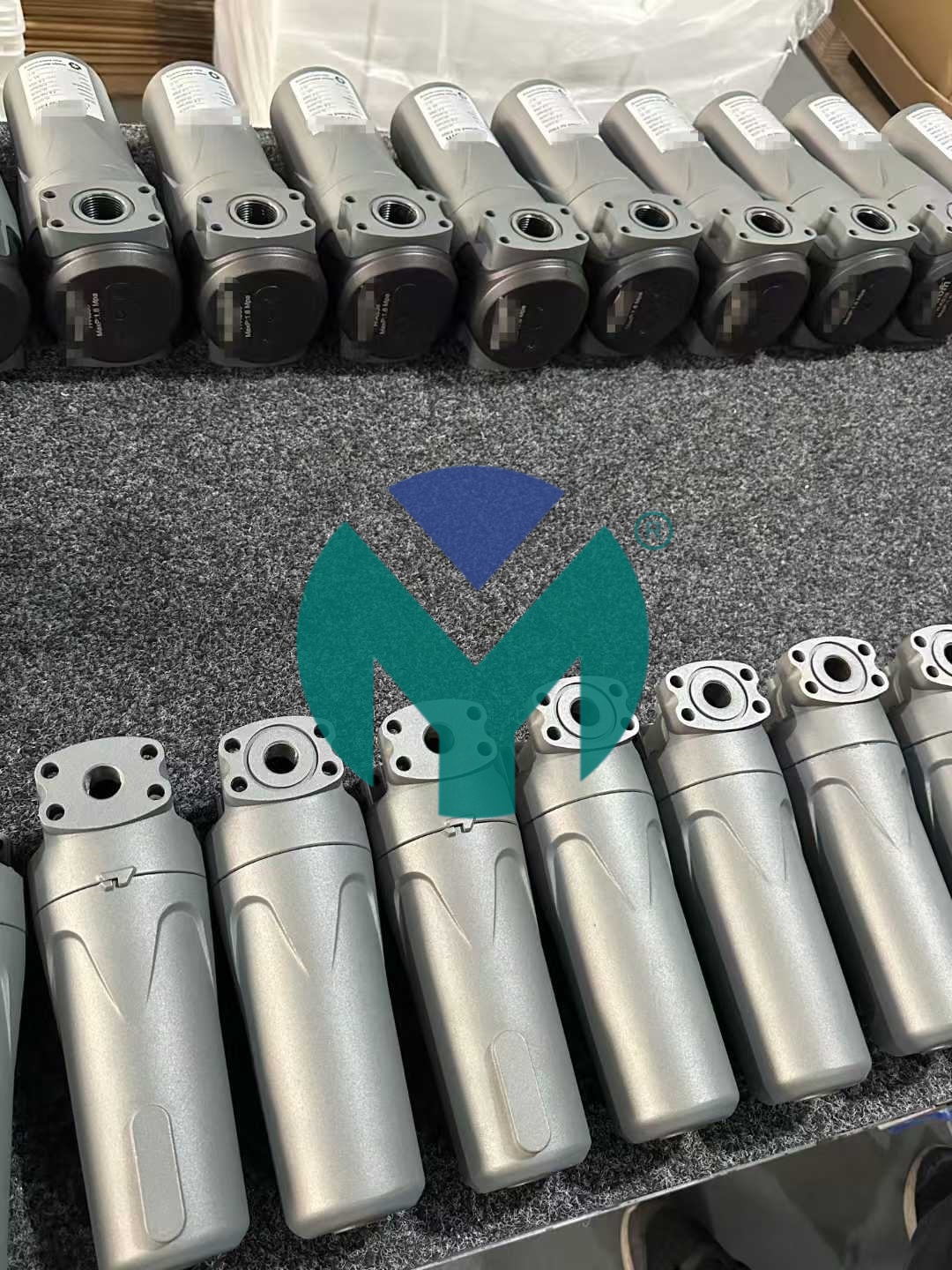
The appropriate precision compressed air filter depends on how compressed air is used. General manufacturing may prioritize particulate and oil aerosol control to protect pneumatic equipment. Laser cutting applications require air quality appropriate to the cutting process and equipment specifications, while semiconductor and electronics production may impose stricter contamination limits.
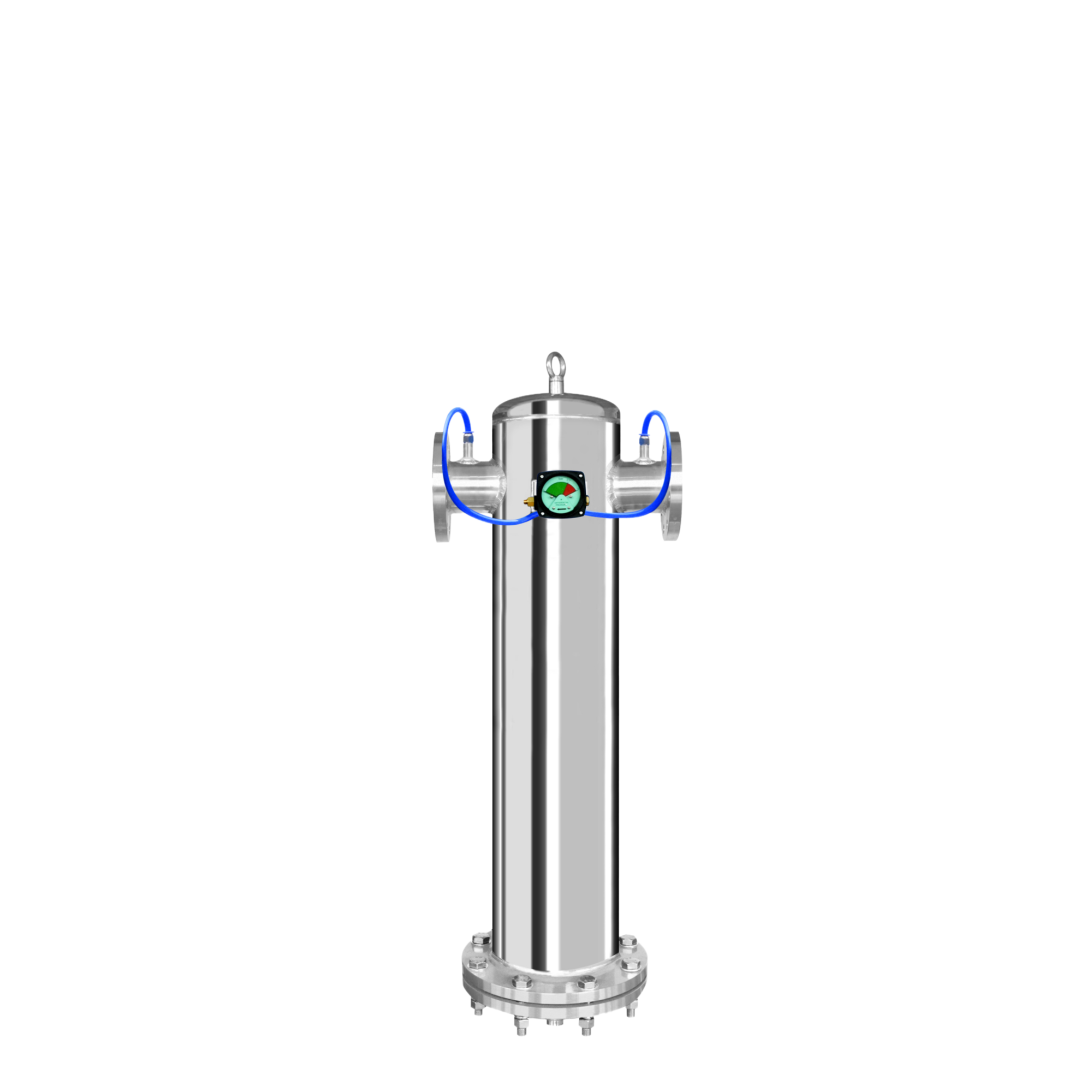
Food processing and pharmaceutical applications may also require carefully defined controls over oil, particles, moisture, and potential contamination pathways. Stainless steel filtration options can be considered where corrosion resistance or cleaning requirements influence material selection. However, the housing material alone does not establish that a filter is suitable for every hygiene-sensitive application.
For all these industries, the selection process should begin with the actual process requirements. Engineers should identify relevant contaminants, establish target air quality, and confirm operating conditions before choosing a filtration arrangement. This application-based approach helps ensure that pressure drop, filtration performance, and equipment compatibility are evaluated together.
Key Factors to Compare Before Purchasing
| Selection factor | Importance for performance |
|---|
| Flow capacity | Prevents undersizing and unnecessary airflow resistance |
| Filtration grade | Matches contaminant removal to the required air quality |
| Initial pressure drop | Establishes a baseline for clean-element performance |
| Operating conditions | Confirms suitability for pressure and temperature requirements |
| Housing and connections | Supports installation compatibility and appropriate material selection |
| Maintenance requirements | Helps manage replacement frequency and operating costs |
| Technical documentation | Supports verification of filtration performance and application suitability |
Comparing these factors provides a more reliable purchasing basis than focusing on the lowest initial price. Buyers should request relevant technical documentation and confirm that stated performance applies to the intended operating conditions. This is particularly important when the required air quality is critical to production or product integrity.
Precision Compressed Air Filtration from Wuxi Yuanmei
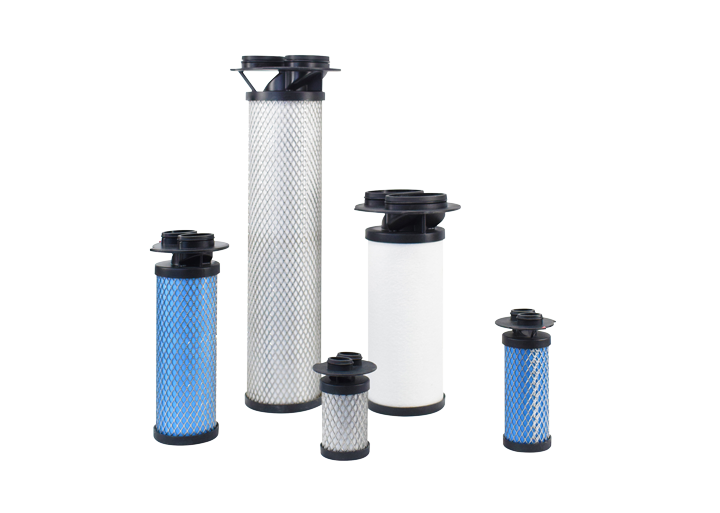
Wuxi Yuanmei offers a range of compressed air filtration products for different industrial air treatment requirements, including precision filters, micron precision filters, high-pressure filters, and specialized stainless steel filtration options. These product categories allow users to consider different installation conditions, filtration needs, and operating requirements.
When requesting a suitable solution, buyers should provide the required airflow, working pressure, contaminant types, target air quality, connection dimensions, and available installation space. Sharing existing pressure drop measurements and maintenance records can also help identify potential causes of excessive resistance or frequent element replacement.
The goal is not simply to select a filter with a high nominal filtration rating. It is to achieve the required air cleanliness while maintaining suitable airflow, manageable pressure loss, and practical maintenance intervals. By evaluating filtration efficiency and pressure drop together, industrial users can make better-informed decisions and support more efficient compressed air operation.
Frequently Asked Questions
How can I reduce pressure drop across a precision compressed air filter?
Choose a filter with sufficient flow capacity, suitable media, and compatible connections. Maintain the element according to manufacturer guidance, monitor differential pressure, and investigate restrictions elsewhere in the compressed air network when necessary.
Does finer filtration always result in higher pressure drop?
Not necessarily. Pressure drop depends on media structure, effective filtration area, airflow, filter sizing, and contaminant loading. Comparing documented performance under equivalent operating conditions is more useful than relying on micron ratings alone.
How often should a precision filter element be replaced?
Replacement frequency depends on inlet contamination, operating hours, airflow, and the manufacturer's recommendations. Pressure trends and air quality checks can help determine whether the element is approaching the end of its effective service life.
Can a precision compressed air filter remove water vapor?
Conventional filtration can separate liquid water droplets and aerosols, but it does not replace dedicated drying equipment when a specific pressure dew point is required. The filtration and drying arrangements should be selected according to the target air quality.
What information should I provide when selecting a filter from Wuxi Yuanmei?
Provide the required airflow, working pressure, filtration grade, contaminant types, connection size, and target air quality. Information about existing pressure drop, operating conditions, and maintenance history can further support product selection.


 Join us
 After-sale service
 News