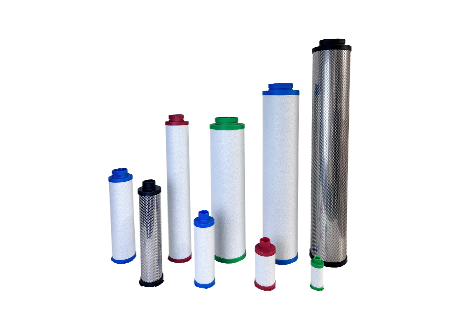
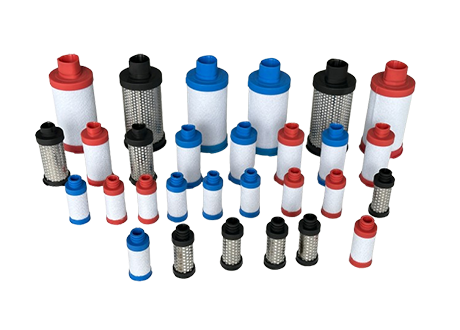
Compressed air quality directly affects equipment reliability, production efficiency, and final product quality. When compressed air contains oil mist, liquid water, dust, or microorganisms, these contaminants can enter downstream equipment and create maintenance problems or product contamination. A stainless steel compressed air filter provides a durable solution for demanding air treatment applications where corrosion resistance, filtration performance, and long service life are essential. By combining stainless steel construction with high-efficiency filter elements, this type of compressed air filtration equipment helps deliver cleaner and more reliable air for demanding industrial processes.
Why Stainless Steel Matters in Compressed Air Filtration
The filter housing is continuously exposed to compressed air, moisture, and potentially corrosive contaminants. In humid or chemically demanding environments, conventional carbon steel housings may gradually develop surface corrosion, creating a risk of rust contamination and reducing equipment durability. Stainless steel provides a more suitable material choice where resistance to moisture, oxidation, and chemical exposure is important.
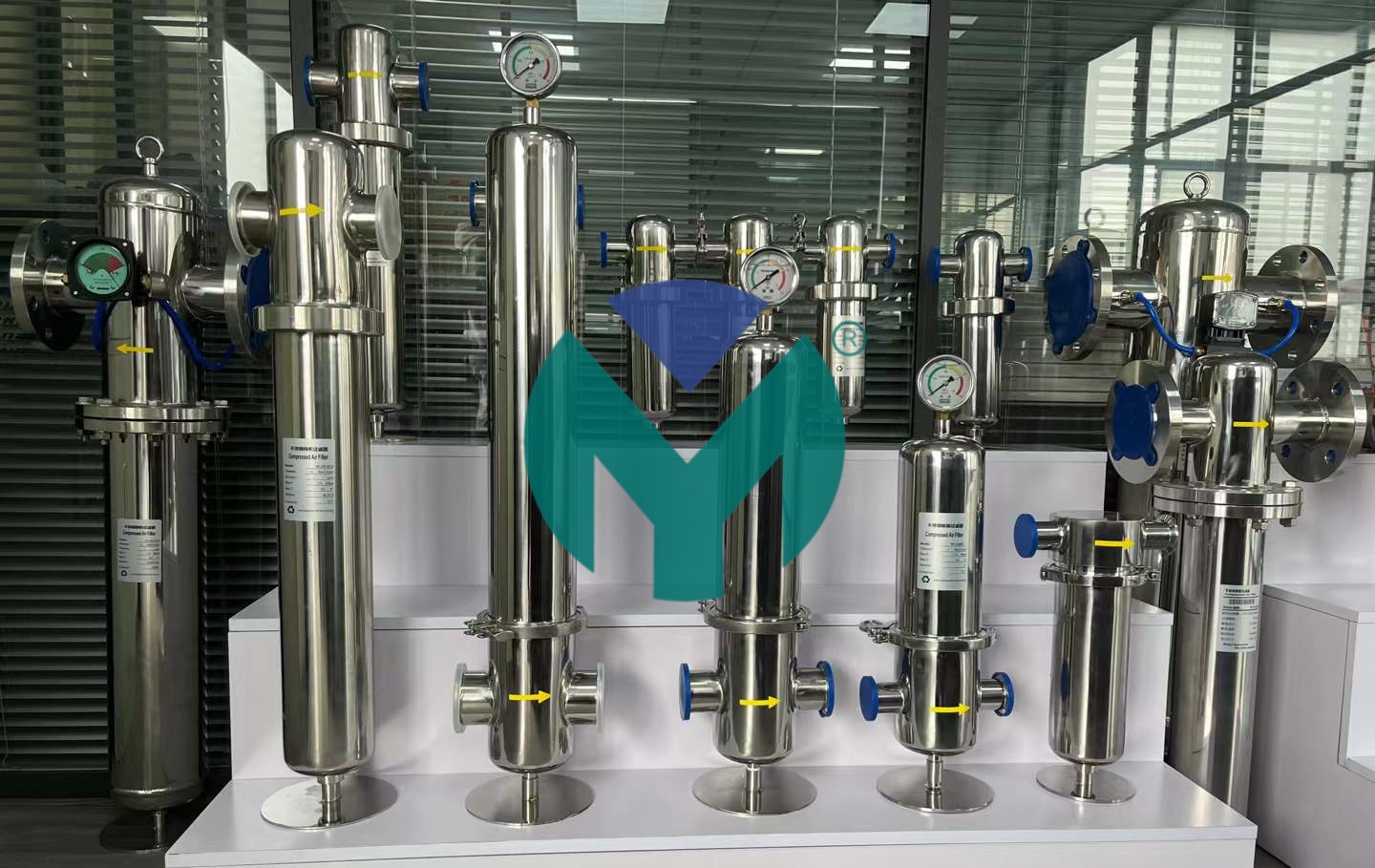
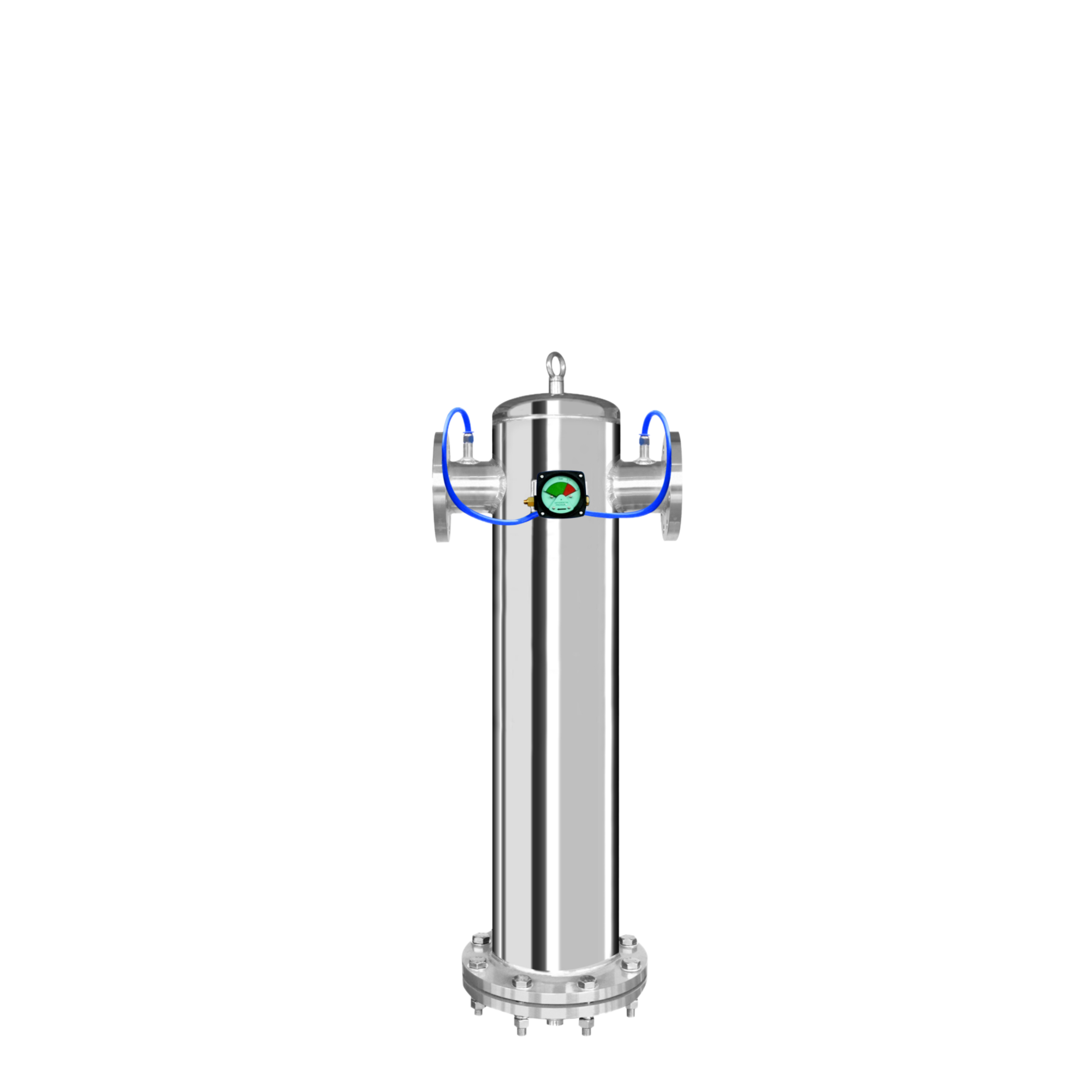
A corrosion resistant compressed air filter made from stainless steel can maintain structural integrity for longer periods while reducing the possibility of rust-related contamination. Wuxi Yuanmei uses 304 or 316L stainless steel for the housing, frame, and internal components according to application requirements. This all-stainless construction is particularly suitable for industries where compressed air cleanliness and equipment hygiene must be carefully controlled.
Stainless Steel Air Filtration for Demanding Industries
Food and beverage production, pharmaceutical manufacturing, electronics processing, chemical production, and other high-standard industries often require carefully controlled compressed air quality. In these environments, filtration equipment must do more than remove visible particles. It should also provide stable separation performance while minimizing the possibility of secondary contamination from the filter housing itself.
Stainless steel air filtration offers a practical approach for these requirements. The robust housing provides mechanical strength, while the appropriate filter element targets specific contaminants. Combined with suitable air treatment practices, the filtration stage can support compressed air quality requirements associated with ISO 8573-1.
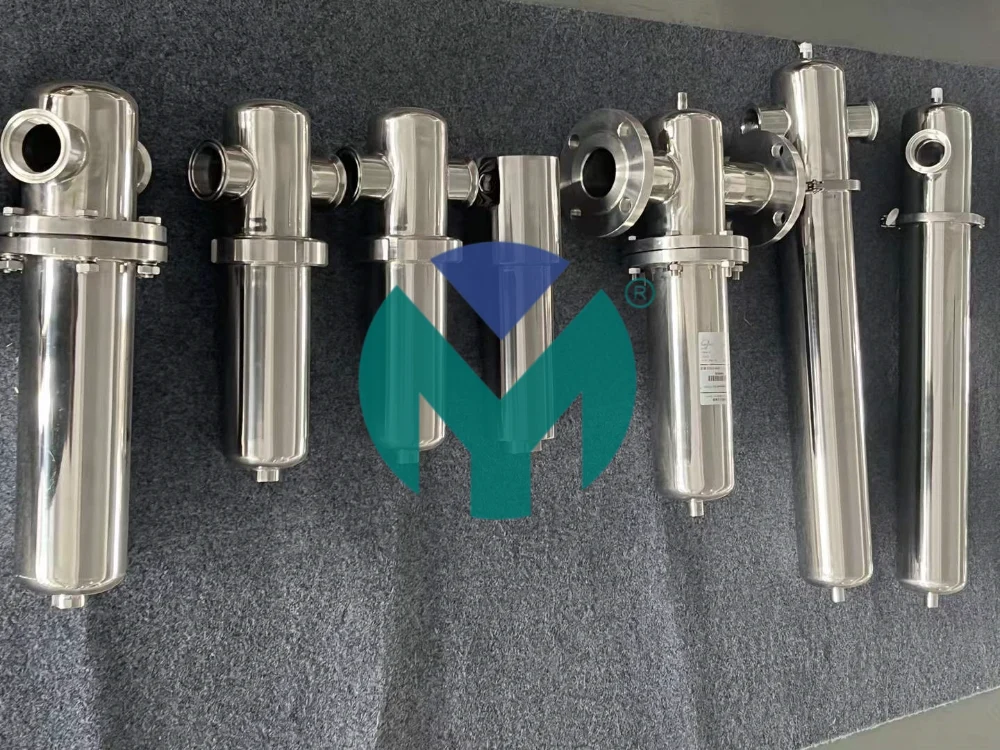
Filtration Accuracy for Different Air Treatment Requirements
Compressed air does not contain only one type of contaminant, so a single filtration level may not be appropriate for every application. Different filter grades can be selected according to the required separation performance and the position of the filter within the air treatment process.
| Filter Grade | Filtration Accuracy | Typical Function |
|---|
| Class C | 3 μm | Pre-filtration |
| Class T | 1 μm | After-filtration |
| Class A | 0.01 μm | High-efficiency line filtration |
| Class F | 0.01 μm | Fine filtration |
| Class H | 0.01 μm | Activated carbon filtration |
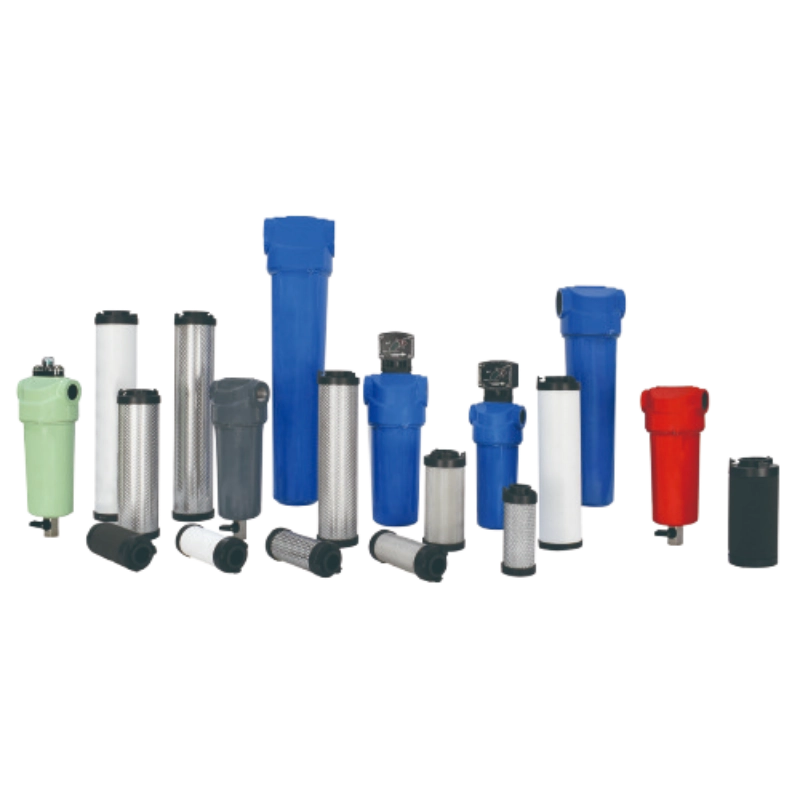
A high efficiency stainless steel air filter can therefore be configured for different levels of compressed air purification. Coarser filtration can capture larger particles and liquid contaminants before finer filtration stages, while fine and activated carbon elements can provide additional treatment where cleaner air is required. Selecting the correct filtration grade helps balance air quality, pressure drop, maintenance requirements, and operating costs.
How a Corrosion Resistant Air Filter Protects Downstream Equipment
Contaminated compressed air can cause problems far beyond the filter itself. Oil aerosols and moisture may affect pneumatic components, while fine particles can interfere with precision equipment and sensitive production processes. If contaminants reach downstream machinery, cleaning frequency and maintenance requirements may increase.
A stainless steel compressed air filtration unit helps separate oil mist, liquid water, dust, and other unwanted substances before they reach downstream equipment. This protective function is particularly valuable when compressed air is used around precision instruments, automated equipment, spraying equipment, laser processing equipment, and other applications where contamination can affect performance.
The filtration process also contributes to more consistent air quality. Instead of allowing contaminants to circulate through the compressed air network, the filter provides a dedicated separation point that can be monitored and maintained according to operating conditions.
Low Pressure Drop Supports Energy Efficiency
Filtration performance should not be evaluated by particle removal alone. Pressure loss is another important factor because excessive resistance through a filter can increase the workload placed on the air compressor. Over time, unnecessary pressure loss can contribute to higher operating costs.
Wuxi Yuanmei optimizes the internal flow path of its industrial stainless steel air filter to promote smoother airflow and reduce unnecessary pressure loss. Maintaining an appropriate pressure drop helps compressed air move efficiently through the filtration stage while supporting the overall energy performance of the air treatment process.
For industrial facilities operating compressors for long hours, even small improvements in airflow resistance can become meaningful over the service life of the equipment. Choosing filtration equipment with an appropriate balance between separation efficiency and airflow resistance is therefore an important part of compressed air equipment selection.
Practical Maintenance and Filter Element Replacement
Maintenance requirements also influence the total cost of compressed air filtration. A filter that performs well but requires complicated servicing can increase downtime and labor requirements. For this reason, accessibility and replacement convenience should be considered alongside filtration accuracy.
The Wuxi Yuanmei design incorporates a quick-opening cover mechanism that allows filter elements to be replaced efficiently without complicated tooling. With an appropriate maintenance procedure, replacement can be completed quickly, helping reduce interruptions to production.
Regular inspection remains important even when a stainless steel filter housing offers excellent durability. Filter element condition, pressure differential, moisture accumulation, and operating conditions should be checked according to the application. Timely element replacement helps maintain stable filtration performance and prevents excessive pressure loss caused by a loaded filter element.
Choosing the Right Stainless Steel Compressed Air Filter
Selecting a suitable filter requires consideration of several factors rather than relying only on nominal filtration accuracy. The required air quality, contaminant type, operating environment, airflow demand, pressure conditions, and maintenance schedule should all be evaluated before installation.
For applications with high moisture exposure or corrosive contaminants, 316L stainless steel filtration equipment may provide advantages where greater corrosion resistance is required. In general industrial environments, 304 stainless steel can offer a practical combination of mechanical strength, corrosion resistance, and cost efficiency.
The filter grade should also match the intended position within the compressed air treatment process. Pre-filtration can reduce the contaminant load placed on downstream fine filters, while fine filtration and activated carbon treatment can be used where more demanding air purity is required. A properly planned filtration arrangement can improve both air quality and filter service life.
Key Benefits of Stainless Steel Air Treatment
The main advantages of stainless steel compressed air filtration can be summarized across several areas:
High filtration efficiency: Fine filter grades can provide filtration accuracy down to 0.01 μm for demanding air treatment requirements.
Corrosion resistance: Stainless steel construction helps reduce rust formation and contamination risks in humid or corrosive environments.
Broad contaminant separation: Properly selected elements can target oil mist, liquid water, dust, and other airborne contaminants.
Reduced pressure loss: Optimized internal flow paths help maintain efficient airflow through the filtration stage.
Long service life: Stainless steel provides strong mechanical durability and resistance to challenging operating conditions.
Convenient maintenance: Quick-opening construction makes filter element replacement easier and helps reduce downtime.
Industrial compatibility: The design is suitable for applications requiring reliable compressed air quality and robust filtration equipment.
Applications for Stainless Steel Compressed Air Filtration
A stainless steel compressed air filter for industrial applications can be used wherever air cleanliness and equipment protection are important. Food and beverage processing may require corrosion-resistant filtration because of moisture and hygiene considerations. Pharmaceutical production can benefit from durable air treatment equipment designed to reduce contamination risks.
Electronics and semiconductor manufacturing can also require carefully controlled compressed air because fine particles, oil aerosols, and moisture may affect sensitive processes. Chemical processing environments may place additional demands on corrosion resistance, making stainless steel a practical housing material for compressed air filtration.
The appropriate filter grade, material selection, installation arrangement, and maintenance schedule should always be determined according to the actual operating conditions and required air quality.
Frequently Asked Questions
What is a stainless steel compressed air filter?
A stainless steel compressed air filter is an air treatment device designed to remove contaminants from compressed air while using stainless steel for the housing and related components. It combines corrosion resistance with filtration performance for demanding industrial applications.
What contaminants can this type of filter remove?
Depending on the selected filter grade and element design, it can separate oil mist, liquid water, dust, fine particles, and other contaminants from compressed air. Activated carbon filtration can provide additional treatment for oil vapor and odor-related contaminants.
Why choose stainless steel instead of carbon steel?
Stainless steel provides stronger resistance to corrosion and rust formation. This can be particularly valuable in humid, hygienic, or chemically demanding environments where corrosion-related contamination could affect downstream equipment or product quality.
How fine can the filtration be?
Selected filter grades can provide filtration accuracy down to 0.01 μm. The appropriate grade should be determined according to the required compressed air quality and the specific contaminants that need to be removed.
How often should the filter element be replaced?
Replacement frequency depends on compressed air quality, operating hours, contaminant concentration, airflow, and pressure conditions. Monitoring pressure differential and filter condition provides a more reliable basis for maintenance than using a fixed replacement interval alone.
Is stainless steel filtration suitable for food and pharmaceutical applications?
Stainless steel construction is well suited to environments where corrosion resistance, cleanliness, and reliable air treatment are important. The complete compressed air treatment arrangement should still be selected and maintained according to the applicable industry requirements.
What should be considered when selecting a stainless steel air filter?
Key factors include required air quality, filtration accuracy, airflow rate, operating pressure, contaminant type, material grade, pressure drop, installation conditions, and maintenance requirements. Proper selection helps achieve a practical balance between air purity, energy efficiency, and service life.



 Join us
 After-sale service
 News
News