Air Filtration Strategy for High Pressure Industrial Air Networks
In modern industrial environments, compressed air systems operate as a critical backbone for automation, production stability, and pneumatic energy transmission. As pressure levels increase, so does the sensitivity of downstream equipment to contamination. Moisture, oil aerosols, and fine particulate matter can rapidly degrade system efficiency, making filtration not just a support function but a core engineering requirement.
AIn this blog post, Wuxi Yuanmei, as high quality compressed air line filter exporter, will share the role of air line filter for compressor for high pressure industrial air networks.
Air Line Filter for Compressor Systems in High Pressure Design Environments
High-pressure compressed air networks demand filtration components capable of maintaining structural integrity under continuous load fluctuations. Unlike standard low-pressure applications, industrial air systems often experience pressure spikes, thermal variation, and vibration stress.
A well-engineered filtration unit in such environments must provide:
Stable performance under pressure cycles
Resistance to mechanical deformation
Reliable sealing under continuous airflow
Minimal pressure drop across filtration stages
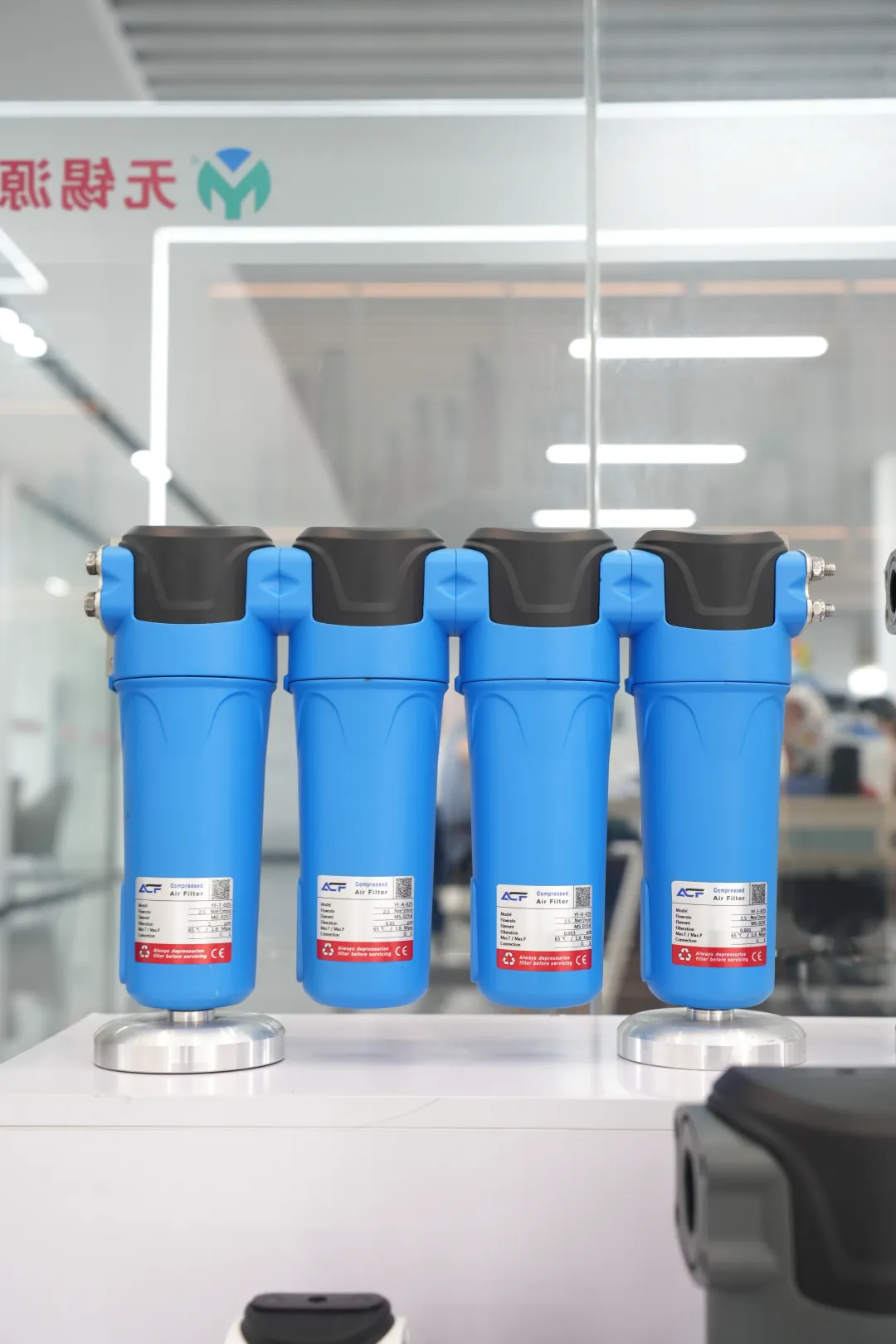
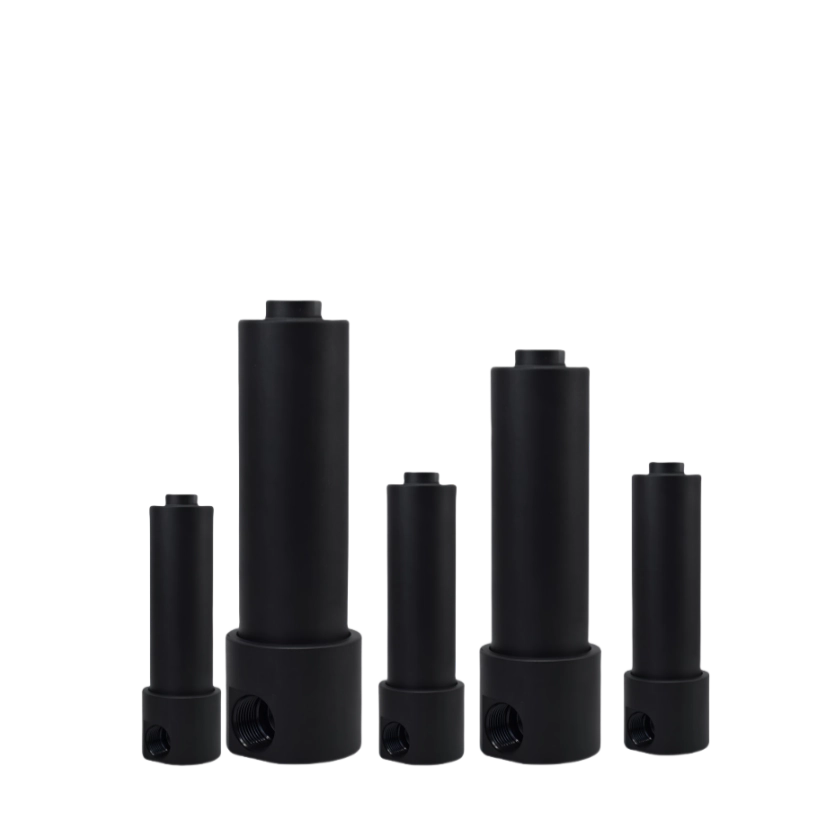
The air line filter for compressor applications is specifically designed to address these conditions by integrating reinforced housing structures and precision sealing mechanisms that ensure long-term stability in demanding pneumatic systems.
Compressed Air Line Filter Architecture and Multi-Stage Protection Logic
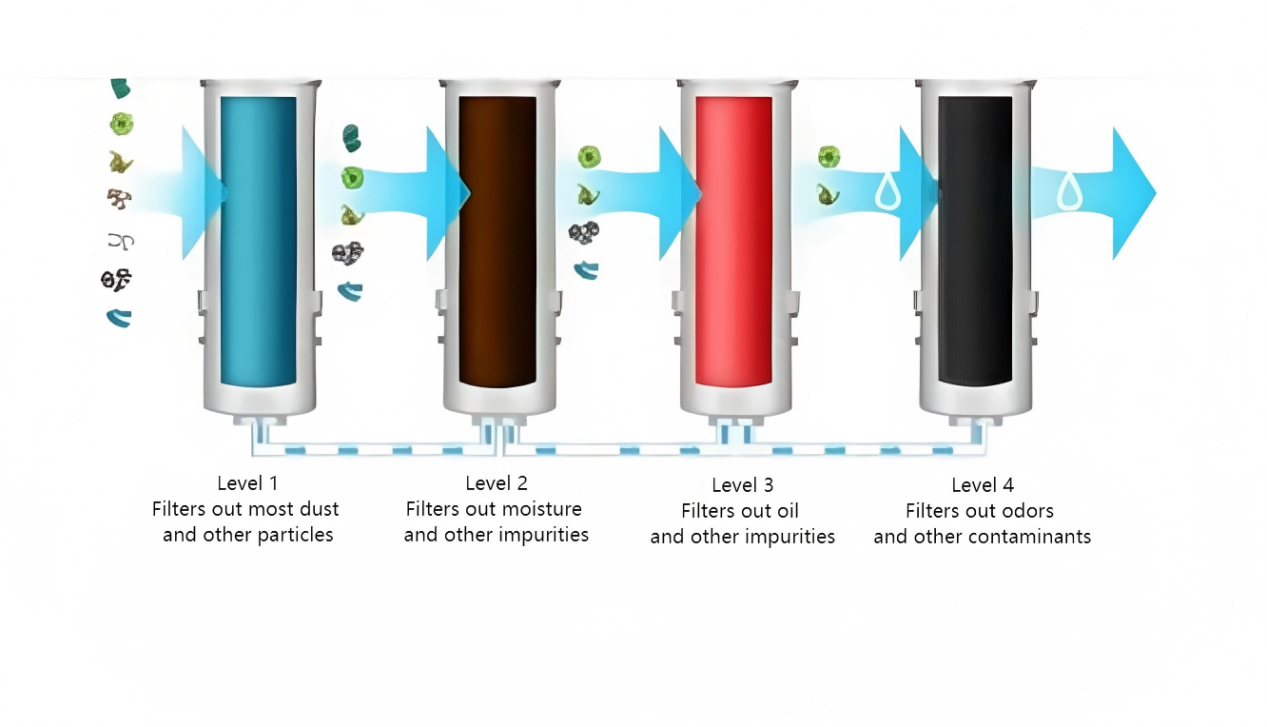
In industrial air treatment systems, filtration is not a single-step process. Instead, it operates as a layered purification sequence where each stage removes progressively finer contaminants.
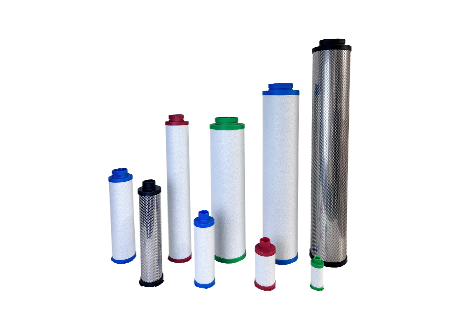
The structure of a compressed air line filter typically includes:
Pre-filtration stage for large particulate removal
Intermediate filtration for oil mist and moisture reduction
Fine filtration for micro-particle separation
Activated carbon stage for vapor adsorption
This staged approach ensures that downstream pneumatic equipment receives air that meets strict operational purity requirements. It also reduces maintenance frequency by distributing contamination load across multiple filtration layers.
In high-pressure networks, this architecture becomes even more important, as contaminant concentration increases with compression intensity.
Material Engineering and Corrosion Resistance in Industrial Air Systems
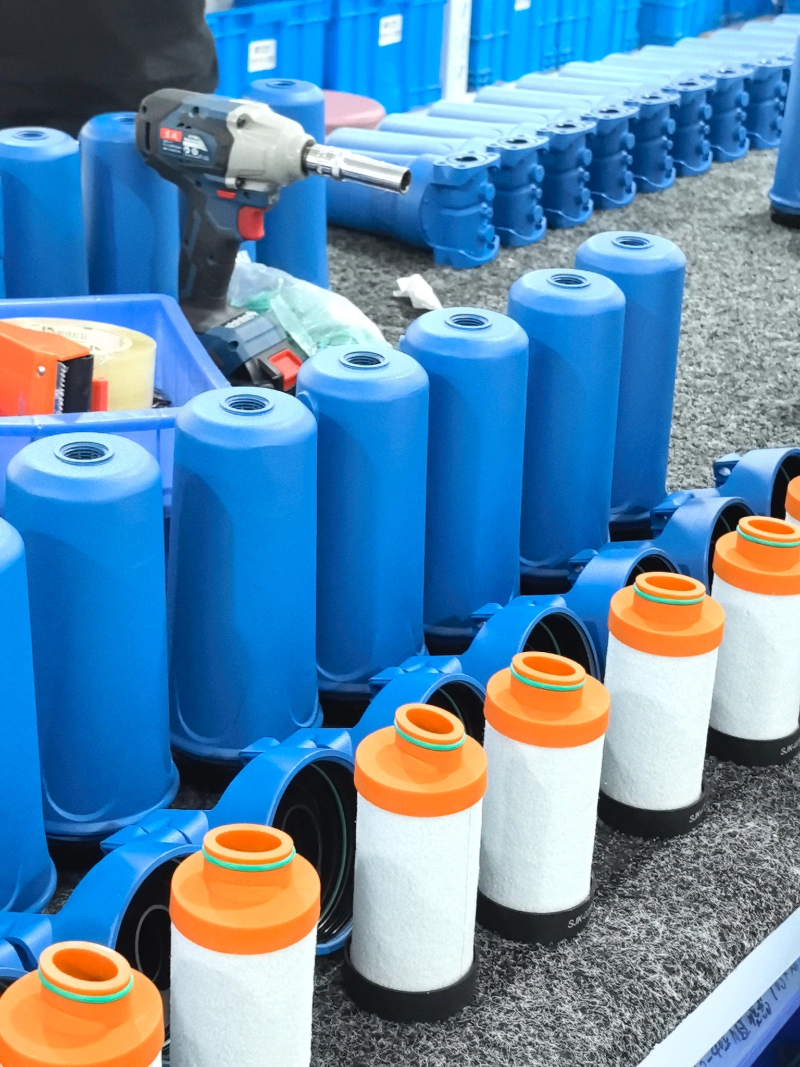
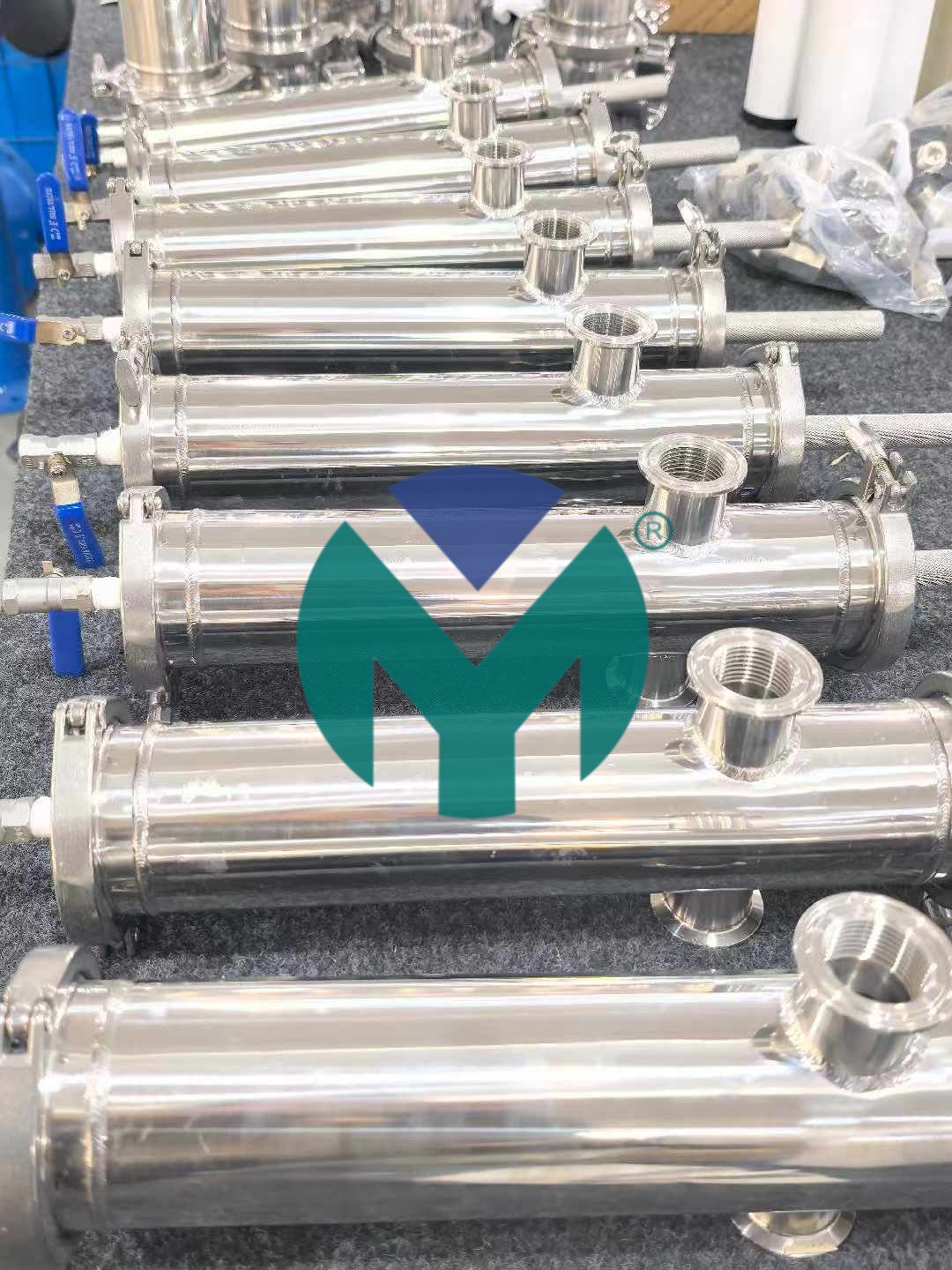
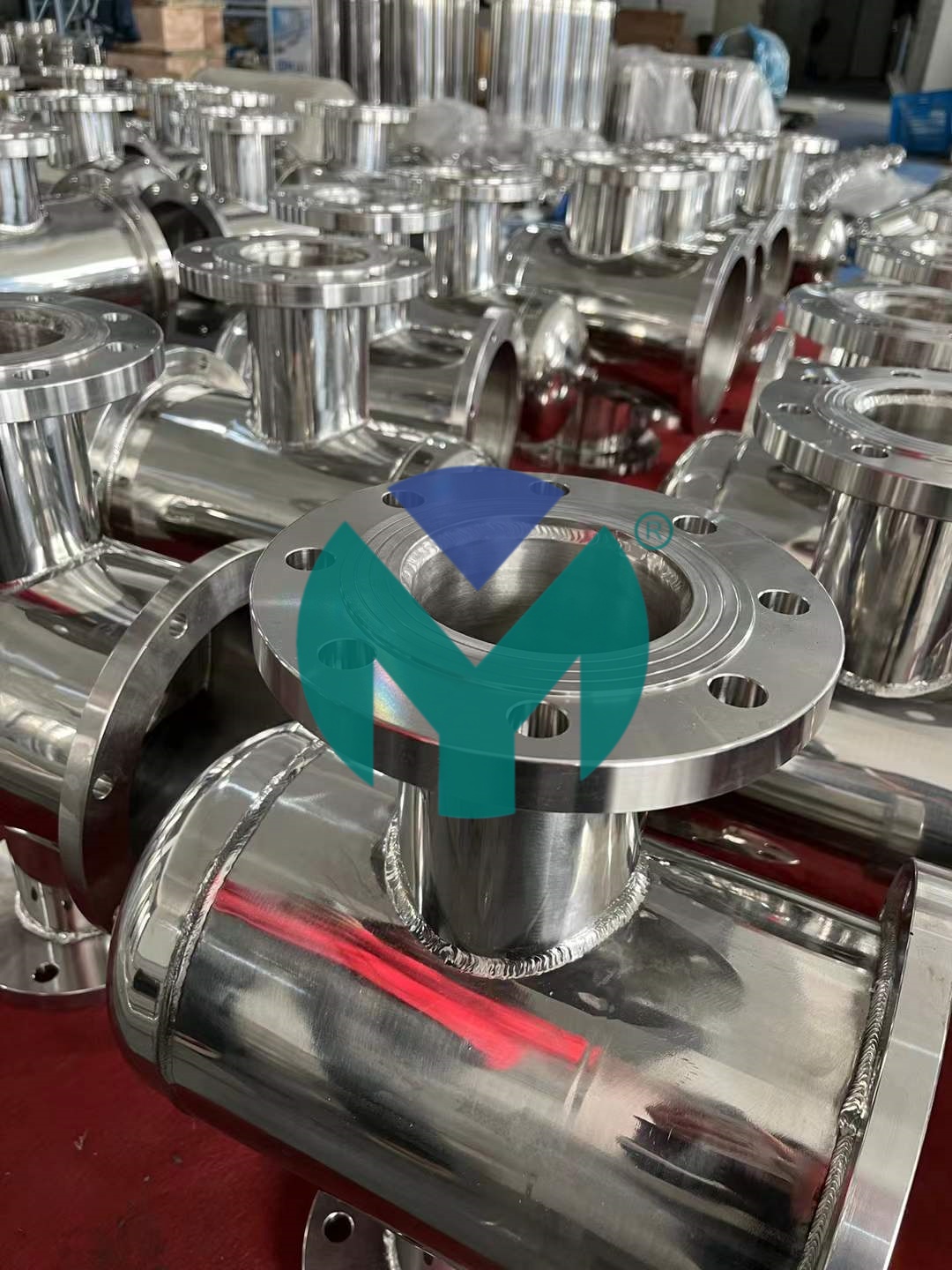
Material selection plays a critical role in determining long-term filtration reliability. In high-pressure compressed air environments, carbon steel is widely used due to its mechanical strength and resistance to deformation.
However, raw material strength alone is not sufficient. Internal and external surface treatment is equally important to prevent corrosion-induced contamination. Advanced manufacturing processes often include:
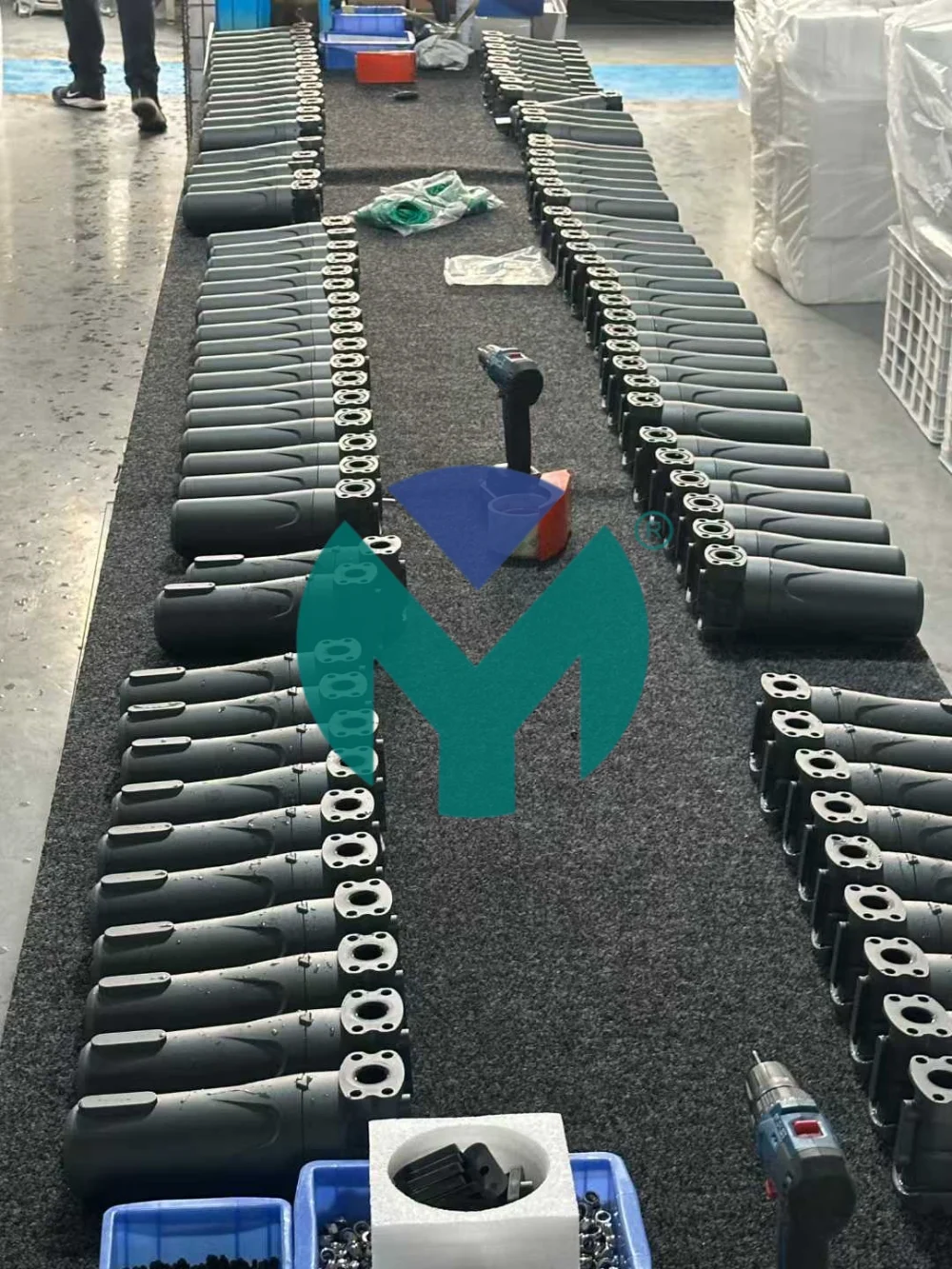
Shot blasting for surface reinforcement
Internal anti-corrosion coating to prevent oxidation
External protective spraying for environmental resistance
These treatments ensure that the filtration housing remains stable even in humid, chemically active, or high-temperature environments commonly found in industrial production facilities.
Role of Compressed Air Line Filter in System Efficiency Optimization
A properly installed compressed air line filter directly influences system efficiency by reducing pressure loss and improving airflow consistency. When contamination is not effectively controlled, pneumatic systems experience:
Increased energy consumption due to airflow restriction
Reduced actuator responsiveness
Premature wear of valves and seals
System instability under load variation
By maintaining consistent air quality, filtration systems contribute to lower operational costs and improved equipment lifespan. This is particularly important in continuous production environments where downtime has significant financial impact.
For procurement and engineering teams working with a compressed air filter manufacturer, understanding airflow dynamics is essential when selecting filtration grades and system configurations.
Filtration Precision Levels and Industrial Application Matching
Different industrial environments require different filtration precision levels. A mismatch between filtration grade and application demand can lead to either over-filtration (unnecessary cost) or under-filtration (system damage).
Typical filtration classification includes:
Coarse filtration for general industrial dust removal
Medium filtration for oil mist and moisture control
Fine filtration for precision pneumatic systems
Ultra-fine filtration for sensitive automation equipment
In high-pressure networks, precision becomes more critical because compressed contaminants carry greater kinetic energy and can penetrate deeper into system components.
Selecting the correct air line filter for compressor setups ensures that both upstream and downstream systems operate within safe and efficient parameters.
System Integration in High Pressure Industrial Air Networks
Modern industrial air systems are designed as interconnected networks rather than isolated components. Filtration units must therefore be integrated strategically within the system architecture.
A typical high-pressure layout includes:
Compressor discharge stage
Primary separation and cooling stage
Multi-level filtration assembly
Distribution network to end-use equipment
Within this structure, the air line filtration unit acts as a stabilizing component that ensures consistent air quality across all operational zones. Proper placement of filtration stages significantly reduces contamination risks and improves system balance.
Environmental Adaptability and Operational Conditions
Industrial environments vary widely in terms of humidity, temperature, and particulate concentration. A robust filtration system must be capable of adapting to these conditions without performance degradation.
High-pressure applications often involve:
Elevated ambient dust levels
High humidity environments
Continuous 24/7 operational cycles
Variable load conditions in pneumatic systems
In such conditions, filtration systems must maintain consistent performance without frequent maintenance interruptions. This is achieved through optimized filter media selection and reinforced housing design.
Standard Compliance and Engineering Certification
Industrial filtration systems must comply with international engineering standards to ensure safety and reliability. Common certification frameworks include:
GB150 pressure vessel standards
ASME mechanical design codes
DIN industrial engineering specifications
These standards ensure that the filtration system can safely operate under high-pressure conditions while maintaining structural integrity and performance consistency.
Working with a qualified compressed air filter manufacturer ensures compliance with these global standards and reduces risk during system deployment in international projects.
Operational Benefits in Long-Term Industrial Use
From a lifecycle perspective, integrating a properly designed air filtration system provides measurable long-term advantages:
Reduced maintenance requirements for pneumatic equipment
Improved energy efficiency in compressed air generation
Extended lifespan of valves, cylinders, and actuators
Stable air quality for precision manufacturing processes
Reduced risk of contamination-related production failure
These benefits become increasingly significant in large-scale industrial operations where system reliability directly impacts production output and operational cost structure.
Conclusion
High-pressure industrial air networks require more than basic filtration—they demand engineered precision, structural durability, and multi-stage contamination control. A well-designed air line filter for compressor systems ensures that compressed air remains stable, clean, and suitable for demanding pneumatic applications.
Through advanced material engineering, layered filtration architecture, and strict compliance with international standards, modern filtration systems provide a reliable foundation for industrial air quality management. When properly integrated, they become an essential component in maintaining efficiency, protecting equipment, and supporting long-term industrial productivity.


 Join us
 After-sale service
 News
News